




Barbecue ideas on the plancha
You should definitely try this out
Plancha instead of classic grill?
The trend from Spain is currently conquering our gardens – and for good reason. Because not only meat and fish, but also vegetables, cheese and even desserts turn out perfectly on the hot, smooth grill plate. Juicy, aromatic and incredibly versatile.
And the best thing is: with a bit of luck, you could win your own barbecue with plancha insert – more on this further down in the article. 😉
Â
What is a plancha anyway?
A plancha is a solid, smooth grill plate – usually made of stainless steel or cast iron – which is heated directly above the grill. Unlike a classic grill grate, nothing falls through and the heat is distributed evenly over the entire surface.
In short, the plancha is perfect for anyone who wants more variety and control when grilling.
That’s what makes the plancha so special:
- Even heat for perfect results
- More intense roasting flavors compared to normal grilling results
- No falling through of small grilled food
- Ideal for meat, fish, vegetables & more
What can you grill on the plancha?
The answer: almost everything. And that’s exactly what makes it so appealing. Here are the best ideas for your next barbecue evening:

Meat
Juicy & aromatic
Whether tender beef steak, chicken breast or burger patties: the plancha gives meat a particularly nice crust and keeps it wonderfully juicy on the inside.
Particularly suitable:
- Beef steaks & entrecôte
- Chicken fillets
- Minced meat & smash burger
- Sliced meat or small meat skewers
👉 Tip: The flavor is even more intense with spicy delicatessen sauces or a fruity ketchup.

Fish & Seafood
Perfectly cooked
Fish on the grill can be tricky – not so on the plancha. Everything stays whole and juicy here.
Perfect for the plancha:
- Salmon fillet
- Prawns with garlic & chili
- Scallops
- Sea bream and sea bass
👉 No sticking, no falling apart – simply grill with ease.

Vegetables
The secret star
The plancha is a real highlight, especially for a conscious diet. Vegetables develop particularly intense flavors on the grill plate.
Be sure to try it out:
- green asparagus
- Zucchini & eggplant
- Paprika
- Mushrooms
- Onions
👉 With a little oil, herbs and a fine sauce, it becomes a real taste sensation.

Creative ideas
Try something new
The plancha opens up possibilities that are difficult on a classic grill:
- Fry the halloumi until golden brown
- Combine feta with vegetables
- Fried or scrambled eggs directly on the plate
👉 Perfect for varied barbecue evenings.

Sweets from the plancha
Underestimated & ingenious
Desserts also work on the plancha – and how!
Sweet highlights:
- caramelized pineapple
- grilled peaches
- Bananas with honey
👉 Lightly crispy on the outside, soft and sweet on the inside – a perfect finish.
5 ideas that you should definitely try out on the plancha
If you want to get started right away, start with these combinations:
- Prawns with garlic & oil: quick to make, intense in flavor – ideal as a starter.
- Green asparagus with lemon oil: fresh, light and perfect for summer.
- Smash burgers with a crispy crust: burgers become particularly juicy and aromatic on the plancha.
- Mediterranean vegetables with herbs: a classic that always works – even as a vegetarian main course.
- Grilled pineapple with honey: a surprising dessert that is guaranteed to delight.
Â
Plancha tips for perfect results
These simple tips will help you make your plancha grilling a success:
- The right temperature: don’t start too hot – rather increase slowly
- Use oil: For roasted flavors and to prevent sticking
- Observe the sequence: Meat first, then more delicate ingredients
- Do not turn too much: For a nice crust
- Clean directly: The plate is best cleaned while warm


Now it's your turn - and we'll go one better 🔥
Fancy standing at the plancha yourself?
Then we have something for you:
We are giving away 3 high-quality CUBE grills from h̦fats with a plancha insert Рperfect for your next barbecue evening.
👉 Buy 2 barbecue sauces in the Byodo online store now and secure the chance to have your own plancha experience!
Take part & win!This might also interest you


Protein-rich indulgence made easy: how to get started right!
A high-protein diet is all the rage and for good reason. It can perfectly combine enjoyment, mindfulness and suitability for everyday use. When you consciously choose what you put on your plate, you support your body optimally and enjoy your meals with a good feeling. With these simple tips, you can integrate protein into your everyday life in a relaxed way.
Â
Why proteins are so important for your body:

Proteins are far more than just a nutrient for athletes. They are essential for maintaining and building your muscles, support numerous metabolic processes and help you to feel full and productive for a long time. An adequate protein intake helps you to consciously support your body.
As a general guide (according to the DGE):
👉 Around 0.8 to 1.2 grams of protein per kilogram of body weight for healthy adults with normal activity levels.
If you exercise regularly, want to build or maintain muscle or are in a phase of higher demand, your requirements may be higher.
Â
* Source: DGE – Deutsche Gesellschaft für Ernährung e.V. | DGE
5 tips for integrating more protein into your everyday life
Tip 1: Consciously plan your meals around protein
Conscious enjoyment starts with planning. When you design your meals around a high-quality protein source, you consciously integrate protein into your everyday life. Instead of eating casually, take a moment to ask yourself: Which source of protein is good for me today?
Whether fish, eggs, tofu, pulses or dairy products: When protein takes center stage, the result is a balanced meal that keeps you full for a long time and gives you energy. Supplemented with fresh vegetables and suitable side dishes, eating becomes a real pleasure again.
Even side dishes such as pasta can easily be rich in protein. Our Protein PLUS Pasta provides a whopping 20g of protein per 100g and helps you to easily add protein to your dish.
Â
Tip 2: Distribute proteins carefully throughout the day – even with snacks
Conscious enjoyment also means keeping your body well nourished throughout the day. Plan to eat protein from morning to night, not only at main meals but also during small breaks in between. A protein-rich breakfast, a balanced lunch and protein-rich snacks will help you to keep your energy levels stable. So you can enjoy every meal more consciously.
You could organize your day like this, for example:
- Breakfast: Crispy protein bread with sweet potato spread
- Lunch: Macaroni calabrese with roasted peppers and feta
- Dinner: Wild rice pomegranate bowl with cream cheese dip
- Snack: Protein crispy corners with lentil
Â
Tip 3: The portion decides
A high protein content per 100 g sounds good, but the decisive factor is how much of it you actually eat. Some foods contain a lot of protein but are only eaten in small quantities. Others provide significantly more protein per portion and fit better into your daily routine. If you compare realistically, you will make decisions that suit your eating habits.
For example:
Nuts have a lot of protein per 100 g, but are usually only eaten in small quantities. Lentils and other pulses, on the other hand, often provide more protein per realistic portion.
Â
Tip 4: Make targeted use of vegetarian and vegan protein sources
A protein-rich diet also works without meat. Vegetarian and vegan protein sources are versatile, healthy and sustainable. When you combine different plant-based protein sources, you provide your body with the best possible nutrition and discover new favorite dishes along the way.
Especially recommended are:
- Pulses such as lentils, chickpeas and beans
- Tofu, tempeh and other soy products
- Quinoa, nuts and seeds
Â
Tip 5: Small changes, big impact
If you consciously choose protein-rich ingredients, you increase your protein intake without fundamentally changing your eating habits. For example, wholemeal flour or wholemeal bread often only contains slightly more protein than white flour products, but these small differences can add up in everyday life. If you regularly reach for wholemeal bread or wholemeal flour, you can increase your protein intake without fundamentally changing your eating habits. Even a small spoonful of seeds in your yogurt or a few nuts in your salad provide additional protein and healthy fats. Used consciously, they make your meal more nutritious without making it seem heavy.
These small, mindful decisions in particular show that a protein-conscious diet doesn’t have to be radical. Step by step, you can perfectly combine enjoyment and suitability for everyday life.
Our protein-rich products


This might also interest you


Your week full of protein
Those who enjoy consciously not only pay attention to taste, but also to giving the body what it really needs and that includesood enough protein. Protein-rich dishes can be versatile, creative and incredibly tasty. In this article, we present a new, protein-rich recipe for every day of the week that not only fills you up, but also gives you energy and fits easily into your everyday life. Let yourself be inspired and discover how enjoyable a conscious diet can be!

Monday
Macaroni Calabrese with roasted peppers
Hearty, creamy and Mediterranean: our macaroni calabrese with sweet roasted peppers and tangy feta cheese not only impresses with its taste, but also with its inner values. The pasta used Protein Plus Pasta is particularly high in protein and provides a whopping 20g of protein per 100g – ideal fFor all those who want to combine enjoyment and conscious nutrition. A full-bodied moment of pleasure with extra power.
To the recipe
Tuesday
Wild rice pomegranate bowl with cream cheese dip
Hearty, fresh and balanced: This wild rice and pomegranate bowl with a creamy cream cheese dip combines nutty wild rice with fruity, crunchy pomegranate seeds to create an exciting taste experience. The bowl is complemented by protein-rich tofu and edamame, both of which are valuable sources of plant-based protein, with tofu being approx. 12-20g per 100g. The creamy fresh cheese The cheese dip rounds off the whole thing harmoniously and makes the bowl a nutritious meal with a taste factor.
To the recipe
Wednesday
Ayurvedic curry
Aromatic, spicy and purely plant-based: this vegan curry combines fresh vegetables and fragrant rice with protein-rich red lentils and chickpeas as the highlight. The chickpeas not only add bite, but also provide valuable plant-based protein – approx. 20g protein per 100g. A full-bodied curry that perfectly combines enjoyment and nutritional value.nutritional value perfectly combined.
To the recipe
Thursday
Vegan winter bowl
Fresh, spicy and round in taste: this vegan bowl combines selected, crunchy ingredients with a finely balanced dressing to create a real moment of indulgence. It is also full of plant-based power: protein-rich chickpeas meet quinoa, which boasts around 13g of protein per 100g. A balanced bowl that perfectly combines enjoyment and nutritional value.
To the recipe
Friday
Crispy bread salad with chicken fillets
Fresh, crunchy and full of flavor: this colourful bread salad combines juicy chicken fillets with crunchy vegetables and a refreshing dressing to create a real moment of pleasure. The chicken fillets are particularly high in protein – approx. 31g protein per 100g and make the salad a nutrient-richnutrient-rich meal that is quick to prepare and perfect for after work.
To the recipe
Saturday
Mediterranean trottole
Aromatic, light and summery: tender eggplants meet sweet, caramelized onions and Mediterranean trottolewhich perfectly combine all the flavors. The pasta used Protein Plus Pasta provides 20g of protein per 100g, making this dish not only tasty but also nutritious.
To the recipe
Sunday
Lentil soup with almond and sesame crumble
Hearty, creamy and full of flavor: this lentil soup delights with a crunchy almond and sesame crumble.crumblethyme and a dash of aromatic organic black cumin oil. of organic black cumin oil. Yellow lentils, which score with around 25g of protein per 100g, also make the soup a protein-rich, nutritious meal – perfect ffor enjoyment and well-being at the same time.
To the recipeSnacks for in between


This might also interest you

Naturally committed!
Bio-Projects full of heart and commitment
In 2025, we once again received numerous great organic projects and each one inspired us with its commitment to nature, animals and sustainable action. The votes were cast diligently and we are delighted to present our three winning projects, which not only have creative ideas but also put their heart and soul into them.
And best of all: the next application round is already underway! You can find out how to submit your project below.

1st place: From the workbench to the cooking pot
Creative design, crafts and experiencing nature for crèche and kindergarten children
The parents’ initiative WerkstattKinder e.V. combines creative, manual work with nature and nutrition education for crèche and kindergarten children. The project includes converting the kitchen into a hands-on kitchen suitable for children, holding an organic workshop week, an overnight stay on an organic farm and planting a small organic garden. The aim is to give children practical experience with organic food and artisanal production. These resources create a safe environment for participatory cooking and learning.
What the funding is used for:
- Kitchen conversion (induction stove, child safety locks, ergonomic worktops)
- Materials and fees for workshops
- Transportation and accommodation costs
- Garden equipment
Â
This is what it looks like on site
The video gives an insight into the creative children’s workshop and clearly shows how and where the support is used in the children’s everyday lives.

2nd place: The chickens are laughing
Chickens for a better understanding of nature
The Förderverein Bauernhoftiere bewegen Menschen e.V. runs an organic farm with animal-assisted education and offers inclusive farm tours and hands-on programs. The project-oriented program is aimed at schoolchildren with physical disabilities and is geared towards year-long visits in which chicken farming, animal welfare and feed production are exemplary. Educational content includes species-appropriate husbandry, feed production, care, motor activation and social participation. Regular, action-oriented participation promotes motor, social and cognitive skills; at the same time, awareness of animal welfare and sustainable food production is conveyed.
What the funding is used for:
- Covering running costs such as participant support and transportation
- Materials on site
- Personnel support and organizational implementation of a six-month visit program
Â
Presentation of the sponsoring association’s chicken project
In the video, Andrea introduces the Förderverein Bauernhoftiere bewegen Menschen e.V. and shows the educational added value that the “Da lachen ja die Hühner” project offers children.

3rd place: Learn better with organic berries
From the bed to the glass: Pupils discover organic berries and sustainable nutrition
The Freie Waldorfschule Lernort Nieperfitz is located on a farm and combines school learning experiences with direct agricultural practice. The project aims to plant around 150 organic berry bushes, which will be Pupils cultivate, harvest and process into products such as jam or fruit leather. The cultivation, fertilizer and Mulching techniques Teachers receive further training in garden education to ensure the sustainability of the offer. The aim is to combine nutritional education and practical experience of nature and Pupils skills in the cultivation, processing and appreciation of organic food.
Â
The funding enables:
- Purchase of plants, tools and soil
- Procurement of processing equipment such as Thermomix and dehydrating ovens, dehydrating films and jars
- Training courses and teaching materials.
Â
Insights into the school community’s berry project
“We want to learn better with organic berries!”. In the video, the children of the Freie Waldorfschule Lernort Nieperfitz present the project together with their teachers.
Apply now for the new round!
Is your school project committed to greater sustainability, organic food or environmental education?
Then join our BioBegeistert sponsorship program! We support projects that make a difference with creative ideas and passion.
BioBegeistert lives through your commitment!
The best part? After we have made a pre-selection of the submitted organic projects, the best entries will go into the voting round – you and your whole institution can then vote!
This might also interest you


Award for real taste & best ingredients
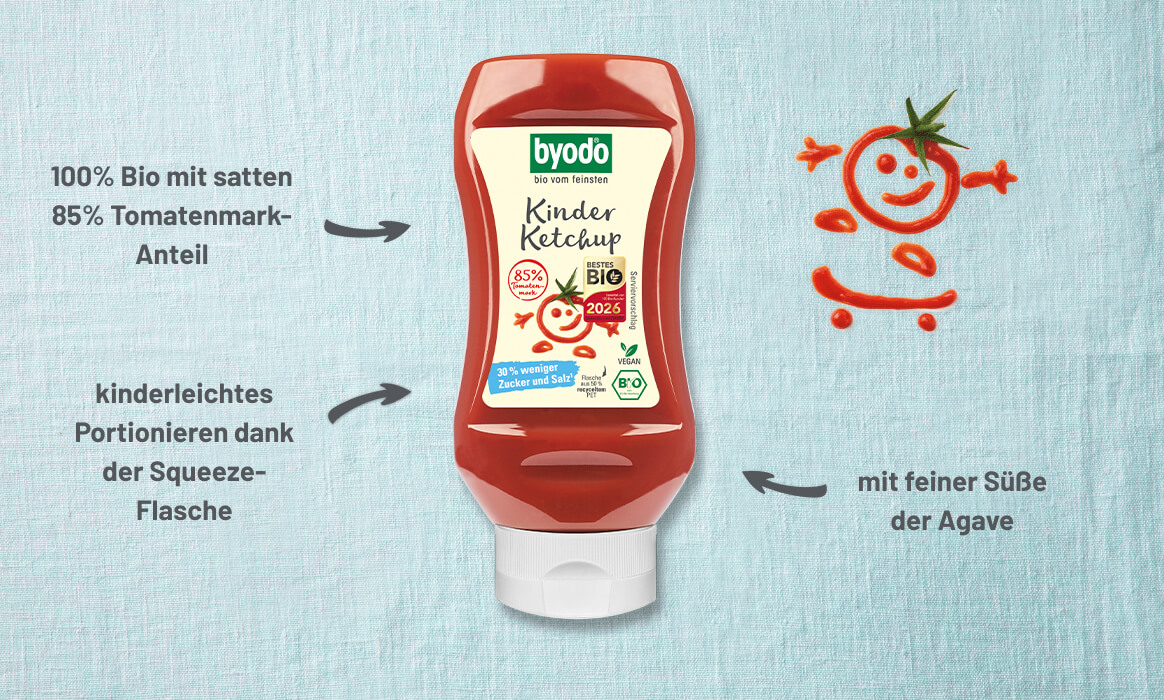
Byodo Kids Ketchup is Best Organic 2026
We are delighted: after our rapeseed frying oil last year, this time our Kids Ketchup from Schrot & Korn received the Best Organic 2026 award. This is a special award because it is based on real consumer ratings – namely from 5,000 organic customers from all over Germany who rated organic products in the categories of taste, quality and sustainability. This is now the eighth year in a row that we have received this prestigious award for our organic products!

An award that drives us forward
“We are incredibly proud that our Kinder Ketchup has received this special award,” says Miriam Kaufmann, Head of Product Management and Marketing at Byodo. “The continued trust placed in us by consumers confirms that we are consistently focusing on the best organic ingredients and sustainable production. We consciously go the extra mile to meet our high standards of enjoyment.”
With this award, we feel confirmed – and at the same time motivated to keep raising the bar for enjoyment and organic quality.
In the picture: Marketing Managers Veronika Reichardt and Christina Brenninger are delighted to receive the award at the award ceremony in Aschaffenburg.
What makes our children's ketchup so special?
The ketchup specially developed for children combines real tomato enjoyment with a responsible recipe. With 85% tomato puree from sun-kissed organic Italian tomatoes, the children’s ketchup brings a lot of natural flavor to the plate. The mild and gentle sweetness of the agave rounds off the flavor perfectly – without any artificial additives.
Thanks to the practical squeeze bottle, which is made from 50% recycled plastic, the ketchup is very easy to portion and empty.
Did you already know...?
Our Byodo Kids Ketchup received the “good” (1.9) in the Stiftung Warentest (issue 04/2026) and was therefore named the test winner among children’s ketchups!
Â
That confirms it: It brings together what is important to us:
100% organic quality, responsible production and real enjoyment.
With less sugar, made from the best organic ingredients and in resource-saving packaging, the children’s ketchup with its intense, fruity taste is not just a hit with the little ones.
About our children's ketchup
Yes, thanks to the 85% tomato puree content and the subtle sweetness from the agave syrup, the children’s ketchup tastes fruity and balanced – without being overly sweet or sour. This makes it ideal for children’s palates.
No. We rely exclusively on organic agave as a natural sweetener and deliberately avoid refined sugar, artificial flavors or flavor enhancers.
The squeeze bottle is easier to use. The packaging is therefore perfect for small hands, can be squeezed easily and emptied perfectly. This means that children can portion their own ketchup and nothing goes to waste.
This might also interest you


Frying oils for the festive kitchen
Indispensable for enjoyment and aroma
Frying oil is the key to the success of festive dishes. If you choose the right oil, pay attention to heat and technique and use the flavors consciously, you can conjure up dishes that will delight your guests. Crispy roasts or aromatic vegetables – all this is only possible with the right frying oil. But not every oil is suitable for every dish. If you want to prepare the perfect festive meal, you should know which frying oil is suitable for which application and what really matters when frying.

For Mediterranean festive enjoyment
Thanks to its mild olive note, our Roast Olive Mediterranean harmonizes particularly well with Mediterranean dishes such as sea bass with a hint of lemon and herbs or antipasti and is ideal for roasting and marinating duck breast. It is also used as a subtle alternative to virgin olive oil for salads.
Our recipe tip: Festive duck breast with steamed noodles, oat root, salted plum and black truffle

For festive dishes with an exotic touch
The fine, spicy-roasted note of Byodo frying oil with sesame oil gives festive dishes a sophisticated Asian flavor. It is ideal for frying poultry or vegetables in a wok or pan and harmoniously rounds off Asian sauces. A special oil for special occasions – ideal for enhancing festive menus with a touch of the exotic.
Our recipe tip: Glazed carrots as a colorful, oriental starter for festive days.

For festive classics
With its exceptionally mild taste, the classic frying oil from Byodo is the perfect companion for your festive cooking. Whether juicy beef in the pan or colorful vegetables such as zucchini, peppers and broccoli, the oil turns every dish into a flavorful highlight. Thanks to its high heatability and delicate flavor, you can effortlessly prepare any festive classic.
Our recipe tip: Crispy fried char fillet with scalloped sweet potatoes and creamy parsnip puree.

Delicious oils for the cold kitchen
Typical luxury oils such as linseed oil or black cumin oil impress with their intense flavors. However, they are not heat-resistant and should never be used for frying, as high temperatures can destroy valuable nutrients and create unpleasant aromas. Pleasure oils are ideal for cold dishes: for refining salads and bowls, dips or soups just before serving.
This might also interest you


Natural power
Three new highlights in our range
Discover the new Protein PLUS pasta, the aromatic and spicy black cumin oil and our crispy protein crispy corners – three new products that show how versatile conscious enjoyment can be.

Protein PLUS Pasta – a + of protein
Our Protein PLUS Pasta is a real novelty: the first Protein PLUS Pasta in Germany in 100% organic quality! And the best thing about it? It tastes as authentic as pasta should taste.
Thanks to the combination of Italian durum wheat semolina, protein-rich wheat protein and high-quality pumpkin seed flour, it has a high protein content of 20%!
Perfect for anyone who wants to consume more protein without missing out on the classic and popular pasta taste – whether in everyday life, after sport or simply because pasta makes you happy. For all those who love pasta.
Â
Discover Protein PLUS Pasta
Black cumin oil – a touch of the Orient
From Ayurveda to the Orient black cumin oil has been valued as a precious medicinal plant for centuries – and it is precisely this knowledge that is reflected in our new black cumin seed oil.
Its fine, mild aroma combines peppery notes with minty freshness and is reminiscent of eucalyptus and herbs. The result is a balanced, slightly spicy taste that gives your dishes a special, oriental nuance – without dominating.
Â
Try black cumin oil
Protein crispy corners – crunchy protein power
Veggie protein power meets extra crunch – these are our new protein crispy corners. The finest lentil flour is transformed into crispy, spicy snacks that are puffed rather than deep-fried. This means they contain 50% less fat than conventional potato chips.
But red lentils not only provide extra crunch, they also provide valuable vegetable protein and are a natural source of fiber.
Whether for cooking, seasoning or snacking – our new products bring natural power and special enjoyment to your everyday life.
Discover the variety of our new products now and find your favorite combination for enjoyable, protein-rich and conscious moments!
This might also interest you

These are our nominees!
The application phase for our BIObegeistert 2025 funding has now ended and we are delighted to present the 28 projects in total! Each of these projects presents itself here with its ideas and its commitment to sustainability and organic. Now it’s up to you to decide which project deserves your vote. The project with the most votes will receive a grant of up to €5,000 from Byodo! Second place will be rewarded with €3,000 and third place will receive €2,000.
Discover the inspiring ideas and use your voice to help make an important contribution to a more sustainable world.
Nominated projects:
Free School Unterneukirchen
Project: Eat, enjoy and grow consciously
Freie Schule Unterneukirchen is a young school under construction that focuses on collaborative learning and individual support. In addition to traditional learning content, the topic of sustainability plays a major role here – both in the classroom and in daily interactions. With the “Eat, enjoy and grow consciously” project, the school aims to help children experience the connections between nutrition, nature and health. The pupils deal with food in several stages – from cultivation to preparation. They learn how vegetables grow, the importance of regional and organic products and how to process them into healthy, delicious meals. They garden, cook and eat together. This creates an awareness of how closely our food is linked to the environment, climate and well-being. The funding is used specifically to finance excursions to farms, to have a cookbook designed by children printed, to procure organic ingredients for practical units and to improve the equipment in the school garden. With funds for a greenhouse, gardening equipment and building materials for additional beds, the practical learning environment will be strengthened in the long term. The aim is not only to impart knowledge, but also to awaken a lasting desire for conscious nutrition and promote action-oriented skills.
Training association Rhöner Lebensmittel e.V.
Project: Cooking WG in all-day care: saving food – saving lives
The Rhön Food Training Association is a regionally anchored provider of communal catering that combines cost recovery with high product quality and social responsibility. The “KochAG – Essen retten, Leben retten” project brings children in all-day care into direct contact with food origins, preparation and appreciation. Participants learn how dishes are planned, ordered in exact portions and prepared sustainably, and get to know simple food processing techniques. Educationally, the program combines nutritional education with social goals: Appreciation for food, avoidance of waste and orientation for careers in communal catering. The funding is used to finance working hours for the cooking courses, to procure organic ingredients for the practical experiments and to replace or purchase the necessary kitchen equipment. This enables workshops to be offered systematically, the quality and sustainability of the catering to be improved and children to be taught practical, professionally relevant skills.
Social Ecology Association
Project: Summer bakery: Organic bakery meets farm experience
The SozialÖkologie association is expanding its educational program with the “Sommerbackstube”, an extracurricular learning format that combines baking and farm experience. Children experience the journey from grain to bread: from the field to milling to baking in the wood-fired oven and eating together. The program promotes an understanding of regional value creation, ecological production and manual skills. The funding enables the financing of educational fees, farm usage fees and technical rental equipment such as a professional baking oven as well as consumables for the implementation. Travel costs and organizational preparations are also included. The funds will be used to implement an inclusive educational format lasting several days, which will teach children practical skills, sensory experiences and a sustainable relationship with food.
Â


BRK Nature Daycare Center Leesten
Project: Creation of raised beds, field, flower meadow, compost and nesting aids
The BRK Naturkita Leesten runs a large outdoor area on the edge of the forest and places particular emphasis on nature-oriented, year-round educational activities. The project aims to expand raised beds, create a potato and cereal field, fence in a flower meadow and install nesting aids and insect drinking troughs. The aim is to integrate biodiversity, the circular economy and food education into the children’s everyday lives. The funding will be used specifically for building materials, high-quality organic soil, peat-free substrates, organic seeds, fencing material and nesting aids, as well as for additional composting areas and small jars for bottling home-made products such as dandelion honey. This creates permanently usable learning spaces where children can experience sowing, care, harvesting and processing in a practical way, develop an understanding of ecological relationships and take on responsibility in a participatory way.
Marburg Waldorf School
Project: Redesign of the school garden and equipment for processing
The Freie Waldorfschule Marburg uses urban garden areas as a central learning space and is planning to transform individual beds into larger communal areas in order to strengthen collaborative work and supply the school kitchen. The focus is on combining horticultural education with processing skills in the school kitchen. Funding is provided for tools for parallel work (digging forks, pendulum hoes, spades), organic seeds and equipment for preserving and processing such as dehydrators, juicers, grain mills, garden chippers and a lawn mower. The aim of these purchases is to provide pupils with hands-on learning from soil to plate: soil care, communal harvesting, processing and storage. The funding increases the school community’s ability to act, supports a sustainable menu and teaches manual skills and an appreciation of regional food.
Â


Free Waldorf School Learning Center Nieperfitz
Project: Learn better with organic berries
The Freie Waldorfschule Lernort Nieperfitz is located on a farm and combines school learning experiences with direct agricultural practice. The “Better learning with organic berries” project aims to plant around 150 organic berry bushes, which pupils will tend, harvest and process into products such as jam or fruit leather. Cultivation, fertilization and mulching techniques, harvesting cycles and processing steps are taught; teachers receive further training in garden education to ensure the sustainability of the offer. The funding goes towards the purchase of plants, processing equipment such as Thermomix and dehydrating ovens, dehydrating films, jars, tools and soil, as well as training courses and teaching materials. The aim is to closely link nutrition education, practical experience of nature and health aspects and to teach pupils skills in the cultivation, processing and appreciation of organic food.
Â
Rehberg School Roßdorf
Project: Visit to the organic farm Hofgut Oberfeld
Rehbergschule Roßdorf is an elementary school that promotes learning with all the senses. With a project day at Hofgut Oberfeld, the children experience the “From grain to Christmas cookies” chain: a tour of the field, their own milling, dough preparation and baking in a wood-fired oven. The funding finances participation fees for children and accompanying adults, so that access is guaranteed regardless of individual financial means. Educationally, the excursion combines teaching topics such as harvesting, grain science and sustainability with direct sensory experiences. The project promotes an understanding of organic farming, appreciation of food and sustainable nutritional choices.
Elementary school by the lake
Project: Healthy and lively: Workshop “Small bakery – snack time”
The Am See elementary school has been recognized as an international sustainability school and plans to supplement its health concept with extracurricular workshops. In the “Small bakery – snack time” workshop, pupils in years 3 and 4 work out how bread is made from regionally grown grain. The funding covers participation and travel costs to ensure that all children can take part. Through practical work with grain, flour and dough, the children learn about manual processing steps, experience seasonal connections and strengthen healthy nutritional awareness. The project combines subject lessons with practical life skills and promotes an appreciation of regional foods.
Werkstattkinder e.V.
Project: From the workbench to the cooking pot
The WerkstattKinder parents’ initiative combines creative handicraft work with nature and nutrition education for crèche and kindergarten children. The project includes converting the kitchen into a hands-on kitchen suitable for children, holding an organic workshop week, an overnight stay on an organic farm and planting a small organic garden. The aim is to give children practical experience with organic food and artisanal production. The funding is used for the kitchen conversion (induction stove, child safety locks, ergonomic work surfaces), materials and fees for workshops, transportation and accommodation costs as well as garden equipment. These funds will create a safe environment for participatory cooking and learning.
Â
Day nursery Neunhof
Project: Conversion to organic food
The Neunhof crèche is a small facility in a rural area that is planning to switch to organic food on a trial basis. Within one to two weeks, all meals are to be organic, accompanied by tastings, discussions with parents and educational activities for the children. The funding covers the additional costs for organic purchases, material kits for tastings and information materials. The aim is to improve the quality of the children’s diet, to inform parents about the benefits of organic food and to examine how a permanent changeover is practicable.
KiKu Bärenbande daycare center
Project: Allotment garden to sustainable organic garden
The KiKu Bärenbande daycare center has a leased allotment garden and is planning to develop it into a sustainable organic garden. The project includes repairing existing raised beds, filling them with organic soil, creating a herb spiral, composting and planting bee-friendly perennials. Children are actively involved in sowing, tending, harvesting and processing in order to develop an understanding of organic farming principles. The funding will be used for building materials, organic seeds, child-friendly gardening tools, storage jars, a food processor or Thermomix alternative and documentation material. The aim is to integrate seasonal harvests into the nursery diet and promote practical experience of nature.
Uckersternchen daycare center
Project: Snack garden at the children’s restaurant
The Uckersternchen daycare center runs a children’s restaurant with a children’s kitchen and is planning to transform the outdoor terrace into a snack garden. Raised beds, a plant pyramid, a small greenhouse and planters are to be created there, in which children can grow vegetables, herbs and strawberries. Initial equipment, plants, soil and materials for project days as well as ongoing purchases for maintenance are funded. The concept combines gardening practice with direct utilization in the children’s kitchen, promotes responsibility and enables children to experience the origin of their food directly.
Solidarity agriculture Ackervielfalt eG
Project: Experience organic: Agroforestry for schools and daycare centers
Solidarische Landwirtschaft Ackervielfalt eG cultivates an organic field with an agroforestry system and would like to open it up more as a place of learning. Plans include a school bed for a special school, planting and harvesting days, day-care workshops and field days that bring agroforestry principles and regional value creation to life. Funding will finance materials for beds, cooking and learning utensils, the development of teaching materials for specialists and the implementation of activities. The aim is to create modular educational offers that schools and daycare centers can use in the long term and to strengthen practical approaches to organic farming.
Friends of farm animals move people e.V.
Project: The chickens are laughing
The association runs an organic farm with animal-assisted education and has been offering guided tours of the farm and hands-on programs for years. The project-oriented program “Da lachen ja die Hühner” is aimed at schoolchildren with physical disabilities and is aimed at year-long visits in which chicken farming, animal welfare and feed production are exemplary. Educational content includes species-appropriate husbandry, feed production, care, motor activation and social participation. The funding finances participant support, transport, materials on site, staff support and the organizational implementation of a six-month programme of visits. Regular, action-oriented participation promotes motor, social and cognitive skills; at the same time, awareness of animal welfare and sustainable food production is conveyed.
Â
Children and Youth Circus Lübeck e.V.
Project: Summer circus a la carte
The children’s and youth circus combines circus education with nature experiences and healthy eating in a vacation format on a pony farm in a nature reserve. The aim is to give children from different social backgrounds access to environmental issues and healthy eating: Circus training, excursions to the nature reserve, animal-assisted activities and preparing fresh meals together are on the program. The funding will be used for catering during the four-week campaign, use of the farm infrastructure and fees for trainers and supervisors. The project promotes exercise, teamwork, ecological education and nutritional knowledge in a creative setting and enables children to gain practical experience with regional foods and nature-based leisure activities.
Kinderhaus Nürnberg gGmbH
Project: Mini organic gourmet: from seed to plate
The supporting organization runs numerous KITAs and is planning a project that will teach children about the organic food production chain: Raised beds and organic seeds will be planted together, children will tend and harvest and prepare simple dishes such as vegetable snacks, herb butter and smoothies. Accompanying activities include craft activities, plant signs and a final party with parents to document knowledge and experiences. Funding is used for raised beds, soil, organic seeds, child-friendly kitchen utensils, aprons, craft materials, ingredients for mini-recipes and a closing event. The aim is to strengthen nutritional education, motor skills, creativity and social integration through participatory everyday activities.
Â
International School Farm Hardegsen gGmbH
Project: New cold scratching room for laying hens
The International School Farm is a long-established extracurricular place of learning that teaches over 3,000 children about practical agriculture every year, including the care of 250 organic laying hens. Due to the age of the existing infrastructure, there is an urgent need for a new cold scratching room to ensure species-appropriate husbandry conditions and the educational offer. Funding will be used for material costs (fencing, wood, trapezoidal sheet metal, guttering, door), dismantling and construction work, disposal of old components and labor costs. The renovation will restore the safety and hygiene of the animal husbandry, stabilize the visitor offer and ensure the long-term implementation of practical environmental education.
Â


Child day care klitzeklein
Project: Greenhouse for child day care
The day care center would like to extend gardening time with its own greenhouse and enable children to sow, tend and harvest all year round. The aim of the project is to integrate gardening activities into the day care center’s daily routine in order to combine early childhood education with experiencing nature and taking responsibility. The funding applied for covers the purchase of a robust greenhouse (6-8 m²), foundation and site preparation, heating and lighting if necessary, interior equipment such as raised beds and shelves, seeds and child-safe gardening tools. The investment creates weather-independent learning opportunities, promotes nature-related development goals and enables several cultivation cycles for educational and consumption purposes.
Â
Landcampus Gröben
Project: Construction of a greenhouse for school classes
The Landcampus Gröben is an extracurricular learning facility that is currently under construction and offers practical project days on topics such as bread baking, vegetable growing and honey bees. A 12 m² greenhouse is planned to enable the year-round cultivation of vegetables and herbs and significantly expand the educational offer. The funding will go towards construction costs, building materials, raised beds or shelves and the equipment so that school classes and daycare centers can experience the complete cycle from sowing to processing. The greenhouse will create additional learning opportunities, regardless of the weather, which will increase the diversity and continuity of the offer and strengthen the campus as a regional educational location.
Â
Â
Mothers and Family Center Karben e.V.
Project: Organic dinner with fun
The MüZe mother and family center wants to establish a monthly parent-child dinner that offers families from different social and economic backgrounds low-threshold access to joint, healthy preparation of organic meals. The format promotes family interaction, strengthens parent-child relationships and teaches practical cooking and nutrition skills. Cooperation with local organic farms is planned for product sourcing and excursions. Funding is used to finance the food per session, the fees for group leaders and preparation as well as the purchase of optional kitchen equipment such as a juicer or flake crusher. The aim is to create a permanent, self-sustaining offer that can be built up through initial funding and later supported by low participation fees.
Â

Child day care Naturzwerge
Project: Greenhouse and vegetable garden
The Naturzwerge daycare center pursues a nature-oriented childcare concept and is planning to purchase a small greenhouse and create a vegetable garden suitable for children. The project aims to bring children into contact with nature at an early age, strengthen motor skills and develop a sense of responsibility. Funding will be used for the greenhouse, including the foundations and structure, raised beds, child-friendly tools, fencing or enclosures and accompanying educational material. The measure enables an earlier start to the gardening season and extends its use into the fall; at the same time, sustainable values and seasonal relationships are brought to life.
Â
TV 1848 Coburg e.V.
Project: Children’s camp “The Bio-Detectives”
The sports club organizes a five-day vacation camp for 6-12-year-olds that combines visits to organic farms, herb hikes, cooking workshops and gardening together. The aim is to enable children to experience the origin, cultivation and processing of food in a sensory and playful way while combining exercise, teamwork and nutritional skills. Funding is used for organic food during the leisure time, travel and entrance costs to farms, materials for workshops, fees for speakers and equipment for gardening. The program promotes sustainable eating habits and creates local links between sports activities and educational venues.
Alexander Coppel Comprehensive School Solingen
Project: Outdoor class: Green classroom
The inclusive comprehensive school is planning to develop a green classroom with raised beds, teaching beds, fruit and berry plantations and a barefoot path to regularly take lessons outside. The project pursues inclusive educational goals, enables hands-on learning and promotes ecological education across all year groups. Funding is used to purchase raised beds, plant material, materials for a barefoot path and tools for construction and maintenance. The expansion will create permanent learning spaces that support participatory, action-oriented learning and strengthen school communities.
Â


Cyriakus Primary School Horn-Millinghausen
Project: Organic school and village garden
The Cyriakus elementary school wants to create a communal organic school and village garden as a learning and meeting place where pupils, teachers, parents and senior citizens can sow, tend and harvest together. The aim is intergenerational learning, teaching ecological cultivation principles and promoting social participation. Funding is used for barrier-free raised beds, soil, seeds, child-friendly gardening tools, the creation of an insect meadow, a composting area and seating. The project creates a permanent learning space, increases local networking and teaches practical skills in sustainable food production.
Primary and secondary school Friedersdorf
Project: The organic garden of the senses
The school is planning an “organic garden of the senses” with a barefoot path, herb caterpillar, teaching bed and jointly cultivated areas, which will be run cooperatively by primary and secondary school pupils. The project integrates subject lessons, WAT practice and handicraft activities, promotes sensory experiences and enables interdisciplinary learning from the construction of small wooden structures to garden maintenance and harvest processing. Funding is used for materials for the barefoot path, planting boxes, lawn edging, fence construction, tools, plants and documentation material. The project combines practical skills, intergenerational learning and conveying an appreciation for food and the environment.
Staudinger GS
Project: Organic school garden
Staudinger Primary School is planning a permanent organic school garden, which will be anchored directly on the school grounds as a learning and experience space. Children from all year groups will experience step by step how plants grow, what the soil and care requirements are and how much work is involved in growing vegetables. The project combines theoretical teaching content with practical gardening: from planting the beds to sowing, tending and harvesting to processing in the existing cooking club, the pupils experience the journey “from the bed to the plate”. The school newspaper documents the project with reports, interviews and photo series, so that sustainability and organic knowledge are brought into the school culture. Child-friendly tools, raised beds and peat-free organic soil, organic seeds and seedlings as well as a small garden shed for storage, growing houses and mini greenhouses for the classroom are to be funded. Optional extras include a rainwater barrel and materials for a composting station. The aim is to establish the gardening club in the long term, raise awareness of nutritional behavior and make practical environmental education accessible to all children. Gardening together strengthens a sense of responsibility, teamwork and an understanding of nature; the school kitchen benefits from freshly harvested ingredients and the school community gains a lively place for intergenerational learning and school projects.
Â

Protestant daycare center Haus Löwenzahn
Project: From the earth to the mouth
The Protestant daycare center Haus Löwenzahn wants to redesign its outdoor area in a natural way and give children a direct experience of how organically produced food is grown with the “From the earth to the mouth” project. Two new beds are planned: a child-friendly organic raised vegetable bed and a “snack bed” with berry bushes and aromatic herbs. The nursery consistently uses organic seeds, peat-free substrates and organic soil, supplemented by care groups, a plant diary and themed activities on earthworms, bees and soil. During planting and harvesting phases, the children try freshly harvested samples, process yields in simple recipes such as herb quark or berry muesli and celebrate a parent-child “snack party”. The project thus promotes everyday skills, self-efficacy and a solid knowledge of organic produce: What does “organic” mean, why is sustainability important and what do freshly harvested vegetables taste like? Support is needed for the construction and materials of the raised bed, peat-free soil, plants and child-friendly tools as well as learning and decorative materials. The aim is to permanently integrate organic gardening into the daycare center’s daily routine, to strengthen nature-based pedagogy and to promote a positive, enjoyable approach to healthy eating from the very beginning.
Möllers Morgen e.V.
Project: Organic together: cooking with children and young people
Möllers Morgen e.V. runs an educational and learning farm that offers tried-and-tested approaches to sustainable agriculture. With the “Gemeinsam Bio” project, the offer is being expanded to include the combination of cultivation and preparation. Young people and school groups harvest organic vegan vegetables together on the farm’s own fields, bring the harvest to the farm kitchen and prepare meals under professional guidance. The aim is to make the ecological and ethical dimension of plant-based nutrition visible, to teach skills and to promote appreciation for regional, plant-based food. The annual project is designed as a growing season with several school groups and open educational offers; educational content includes cultivation, care, harvesting techniques and climate-relevant aspects of nutrition. The funding applied for is intended to secure fees for speakers, finance seeds, seedlings and maintenance costs for the fields, as well as cover materials and consumption costs for the cooking workshops. The combination of field work and cooking creates an action-oriented learning environment that enables young people to make reflective nutritional decisions and teaches practical skills for a sustainable future.
Â
Â
Vote for your reader favorite 2026!
Pasta Volanti from Byodo is nominated!
The organic food magazine eve is once again giving you the chance to vote for your favorite organic products! Which delicacies can you not resist? Vote for your favorites until 19.10.2025 and, with a little luck, win great prizes in the raffle.

Vote for our Volanti now!
In the vote for readers’ favorite 2026 in eve magazine, we are sending our Volanti into the race.
Thanks to their special shape, our light-colored Volanti are ideal for sauce dishes, casseroles and pasta salads. They are made from 100% Italian organic durum wheat semolina and are traditionally produced using bronze dies. The resulting rough surface ensures that the sauce can be better absorbed.
Did you know that the delicious Volanti pasta variety comes from Tuscany and is actually called Dischi Volanti? Translated from Italian, this means something like “flying saucer”.
Are you also enthusiastic about our original Italian pasta? Then we look forward to seeing you in the readers’ favorite 2026 a tick for our Volanti.
Â
Vote for our Volanti now
This might also interest you


Your perfect pasta dish
Pasta is so much more than a quick everyday dish.
It is pleasure, lifestyle and tradition – and you can taste it with every fork.
But what really matters if you want to conjure up your perfect pasta?
We show you what you should look out for when buying pasta, what is important when preparing it – and why pasta made from traditional bronze dies makes all the difference.
Â
What makes a really good pasta?
Not all pasta is the same – even if it often looks like it.
In addition to the ingredients, the production process is also decisive for the quality of pasta. Our pasta stands out from conventional pasta in many ways and offers you an incomparable taste experience. Because it is not just an ingredient – it is the heart of every dish.
But what makes them so special?

100% made in Italy
Genuine Italian organic durum wheat semolina
Our pasta is produced entirely in Italy – the country of origin of real pasta art. For every batch, we only use organic durum wheat semolina from Italy, which is used for
- the perfect bite,
- the rich golden yellow color and
- the characteristic taste.

Traditional production with bronze dies
The difference you can see – and taste!
Our pasta is traditionally made with bronze molds. This means that the pasta dough is pressed through fine-pored bronze molds, which gives the surface a slightly rough texture. And it is precisely this texture that is the secret:
- Sauces adhere better – for more flavor in every bite
- The texture feels more natural
- The pasta has a “bite” and retains its shape even when al dente
The traditional production with bronze dies ensures more flavor in every bite.
Â
Organic & sustainable
Our pasta is also free from artificial additives, consists of 100% organic ingredients and is packaged in sustainable FSC-certified paper – for conscious enjoyment with a good feeling.
Â
You should pay attention to this when cooking pasta
Good pasta deserves good preparation. With these tips, you can make any dish like an Italian:
- Salt correctly – and early enough: the cooking water should be as salty as the sea. Only add the salt when the water is boiling, otherwise it will take longer to bubble.
- No oil in the cooking water: A widespread myth: oil in the water prevents sticking. But this is not true – it only prevents the sauce from sticking later. Better: After cooking, mix the pasta directly with the sauce.
- Al dente – but really: the right cooking point is a matter of taste, but: some bite must remain. High-quality pasta made from bronze dies retains its shape better and has more structure.
- Don’t throw away the pasta water: a sip of the starchy water acts as a natural emulsifier when mixed with the sauce – for creamier, rounder cooking results.
Recipe inspiration
Fancy some new ideas? Here you can find our favorite pasta recipes!


15 min.

Leicht

Vegetarian


15 min.
Mittel
Vegetarian
60 min.
Mittel
Vegetarian
30 min.
Mittel
Vegetarian
20 min.
Mittel

Vegan
40 min.
Mittel
Vegan

Real pasta. Real pleasure.
With high-quality ingredients and traditional production methods, every pasta dish becomes a moment of pleasure.
Our organic pasta is made with great care from the best Italian durum wheat semolina and pressed through bronze dies – for a rough surface to which sauces adhere particularly well. The traditional production process also ensures that the natural taste of the pasta is preserved and therefore the perfect bite.
This is how pasta tastes in Italy – in 100% organic quality!
Â
Discover now & find your favorite variety!
To our pasta varietyThis might also interest you


Your Mediterranean week
Discover great recipes for every day!
Let us take you on a culinary journey through the Mediterranean region! With fresh ingredients, aromatic herbs and high-quality organic products, we’ll show you a Mediterranean recipe for every day of the week – easy to recreate. Whether pasta from Italy, Spanish tapas or delicious vegetable dishes – here you will find inspiration for a Mediterranean week – bring the vacation home with you. And to finish off? Sweet dessert ideas to round off your moments of indulgence perfectly!
Monday
Spaghetti al limone
Fresh, lemony and irresistible!
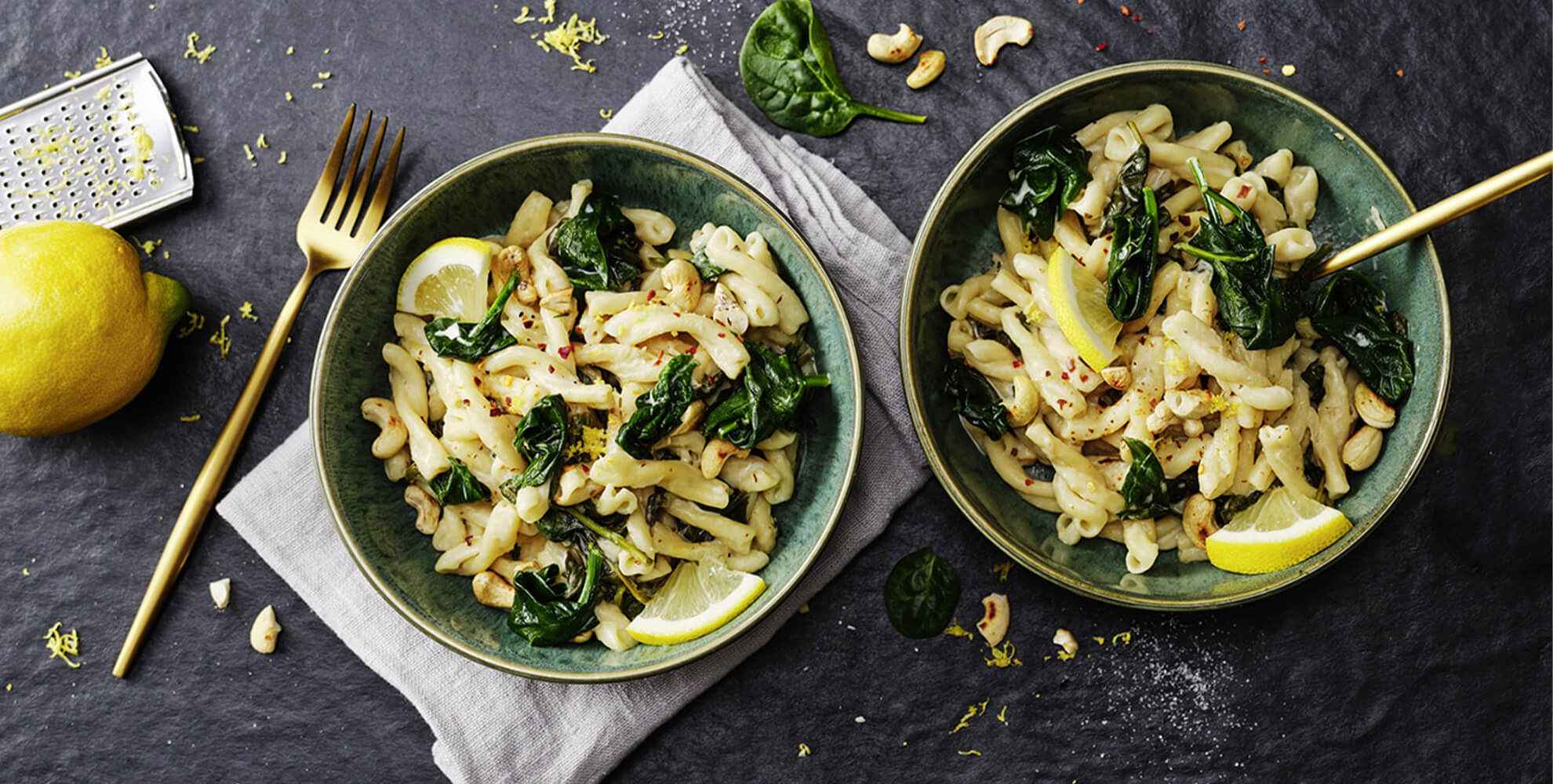
This spaghetti brings the taste of Italy straight to your plate – with a creamy sauce and delicious lemony freshness. Prepared with our organic spaghetti – traditionally made with bronze dies – this spaghetti is also incredibly creamy and absorbs the sauce particularly well.
Â
To the recipe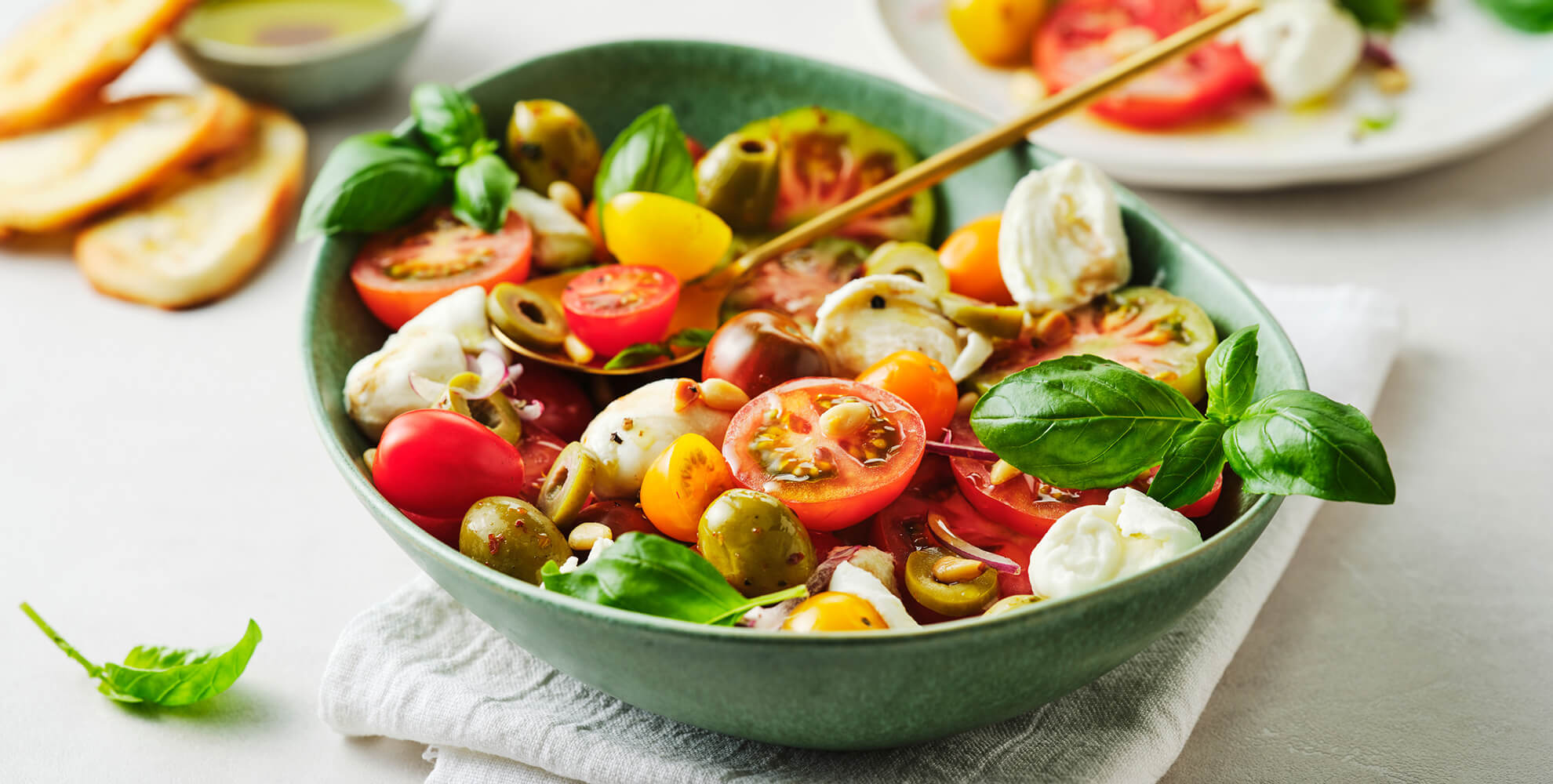
Tuesday
Colorful tomato salad with buffalo mozzarella
The taste of summer!
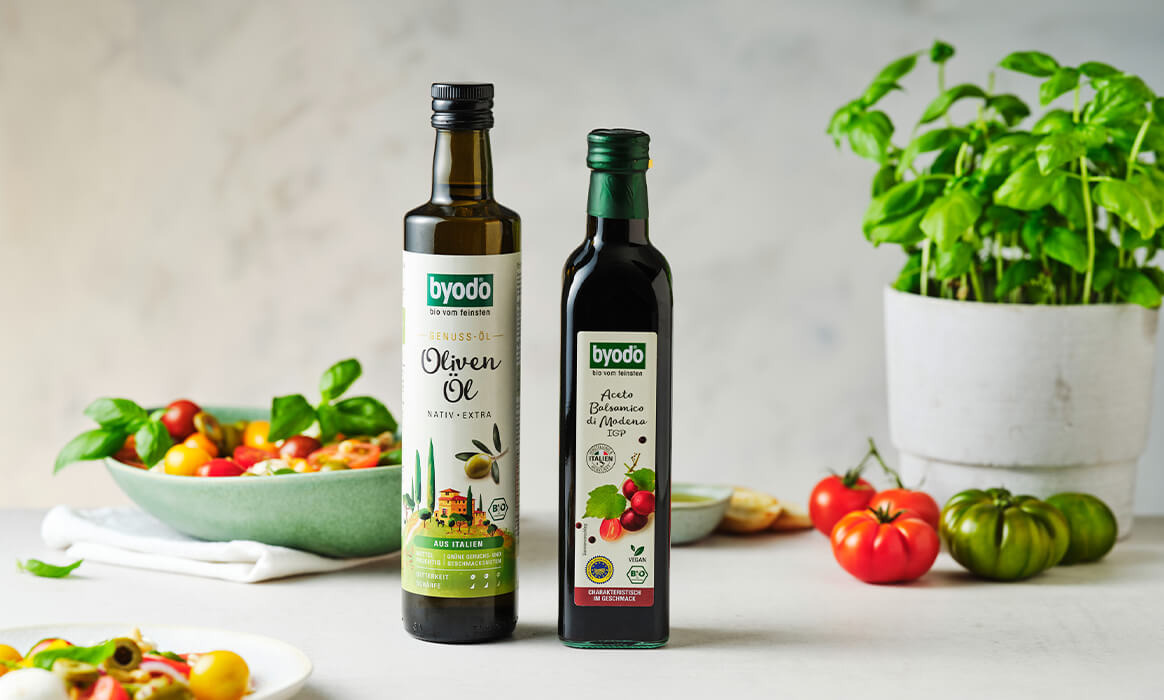
Juicy tomatoes, creamy buffalo mozzarella – finely balanced with our Italian extra virgin olive oil and Aceto Balsamico di Modena IGP this salad is the epitome of Mediterranean lightness. Quick to prepare, this salad is ideal for after work.
Â
To the recipe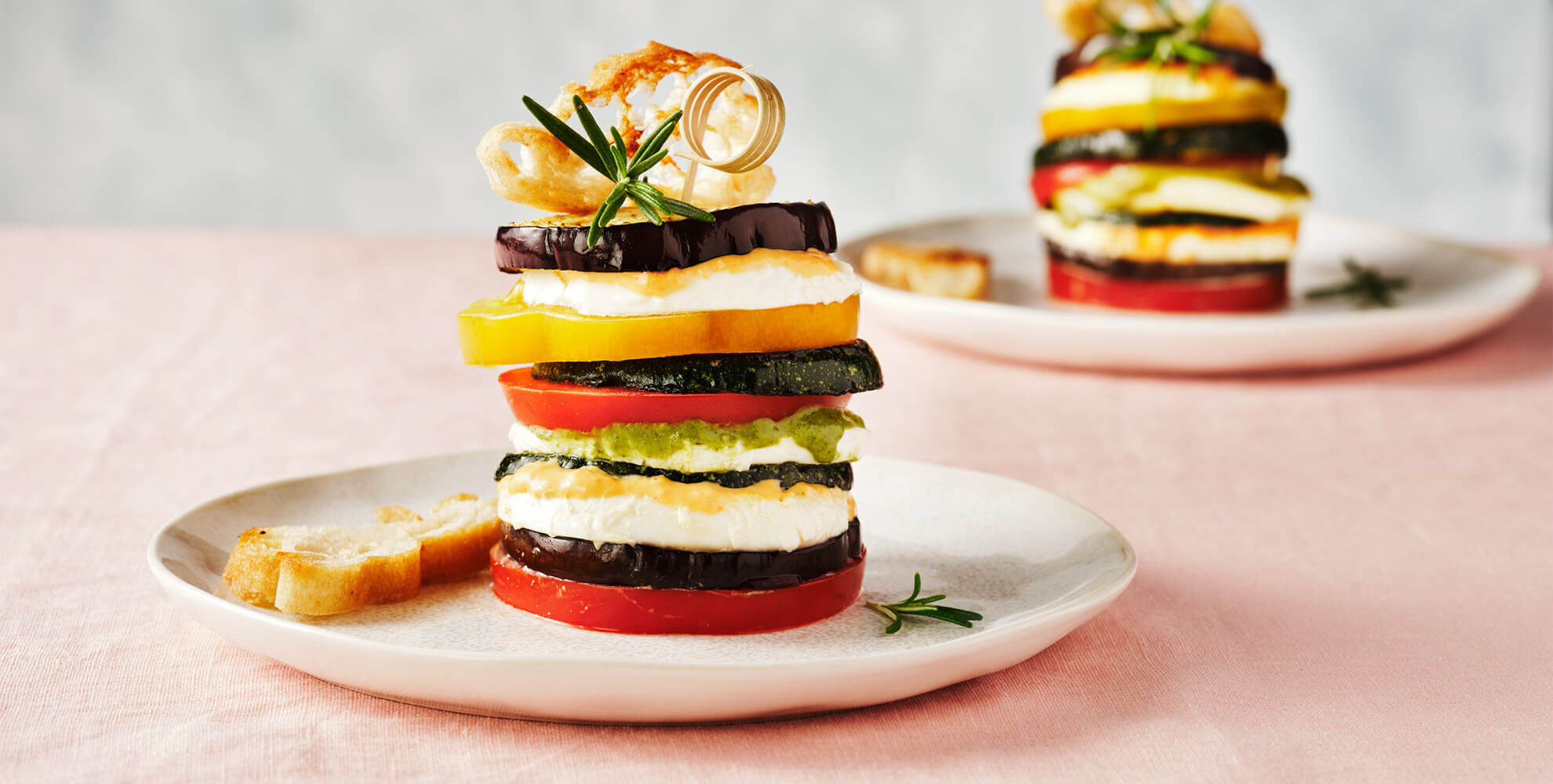
Wednesday
Vegetable tower
Colorful, aromatic and creatively layered
Grilled vegetables meet two of our three fine pesto varieties: Pesto alla Genovese and Pesto Calabrese. These colorful little towers are a real highlight – whether as a starter or a light main course.
Â
To the recipe
Thursday
Mediterranean pasta salad
Ideal for picnics, barbecues & meal prep
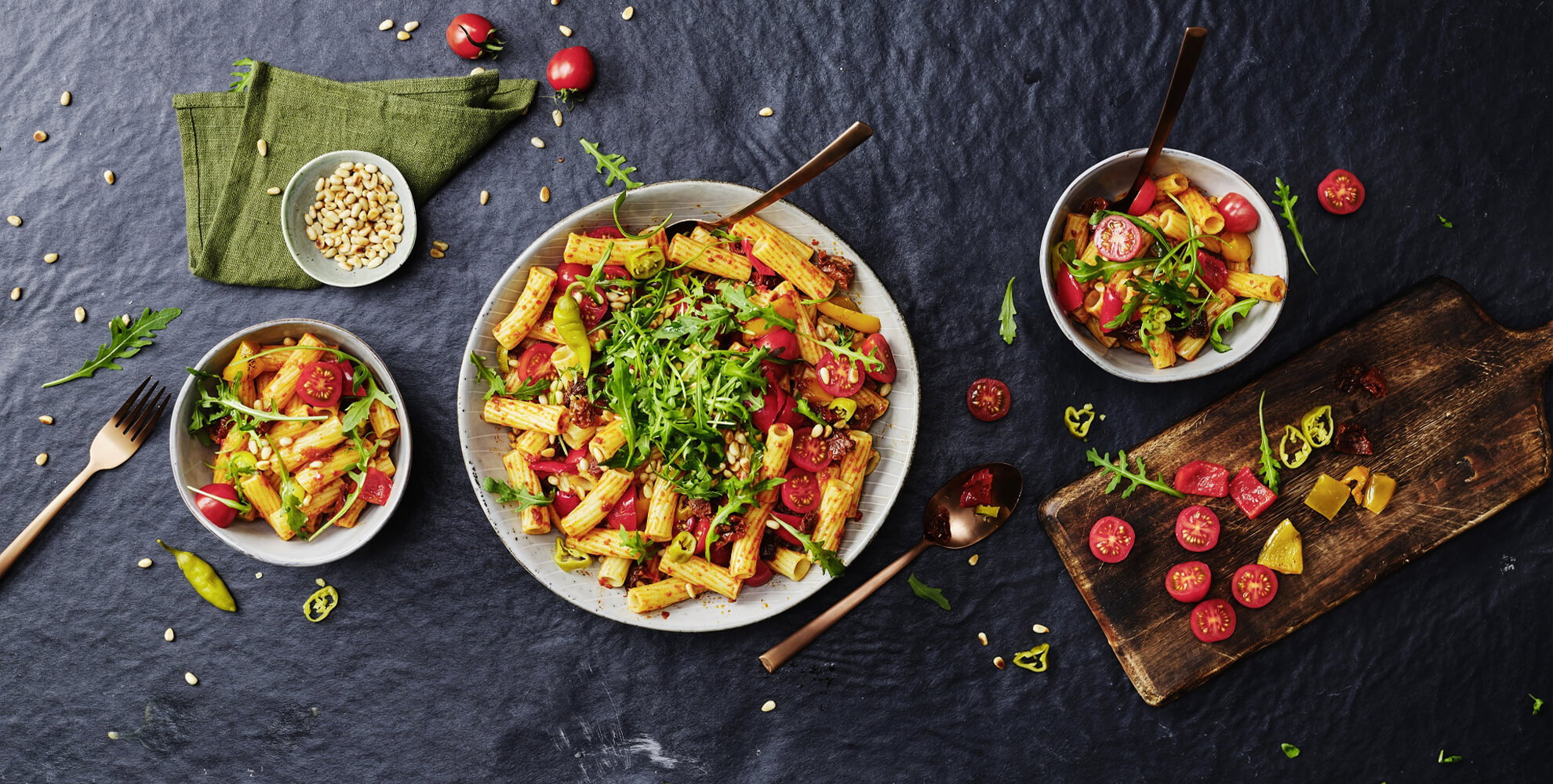
With our organic rigatonicreamy pesto calabrese and a dressing made from Condimento Bianco and the best extra virgin olive oil from Italy this pasta salad is the ideal accompaniment for picnics, lunch breaks or barbecues – full of freshness and Mediterranean flair.
Â
To the recipe
Friday
Spanish paella
A Spanish classic
Strong flavors, bright colors & cooked with passion – our paella stands for Mediterranean lifestyle in organic quality! Indispensable: our Spanish extra virgin olive oil and the fruity tomato paste.
Â
To the recipe
Saturday
Heart pinsa with mushrooms
Crispy. Lovingly shaped. For all pizza fans.
The fluffy heart-shaped pinsa delights with fried mushrooms, fresh herbs and our Mediterranean fried olive. A recipe to fall in love with – ideal for dinner for two or as a hearty surprise!
Â
To the recipe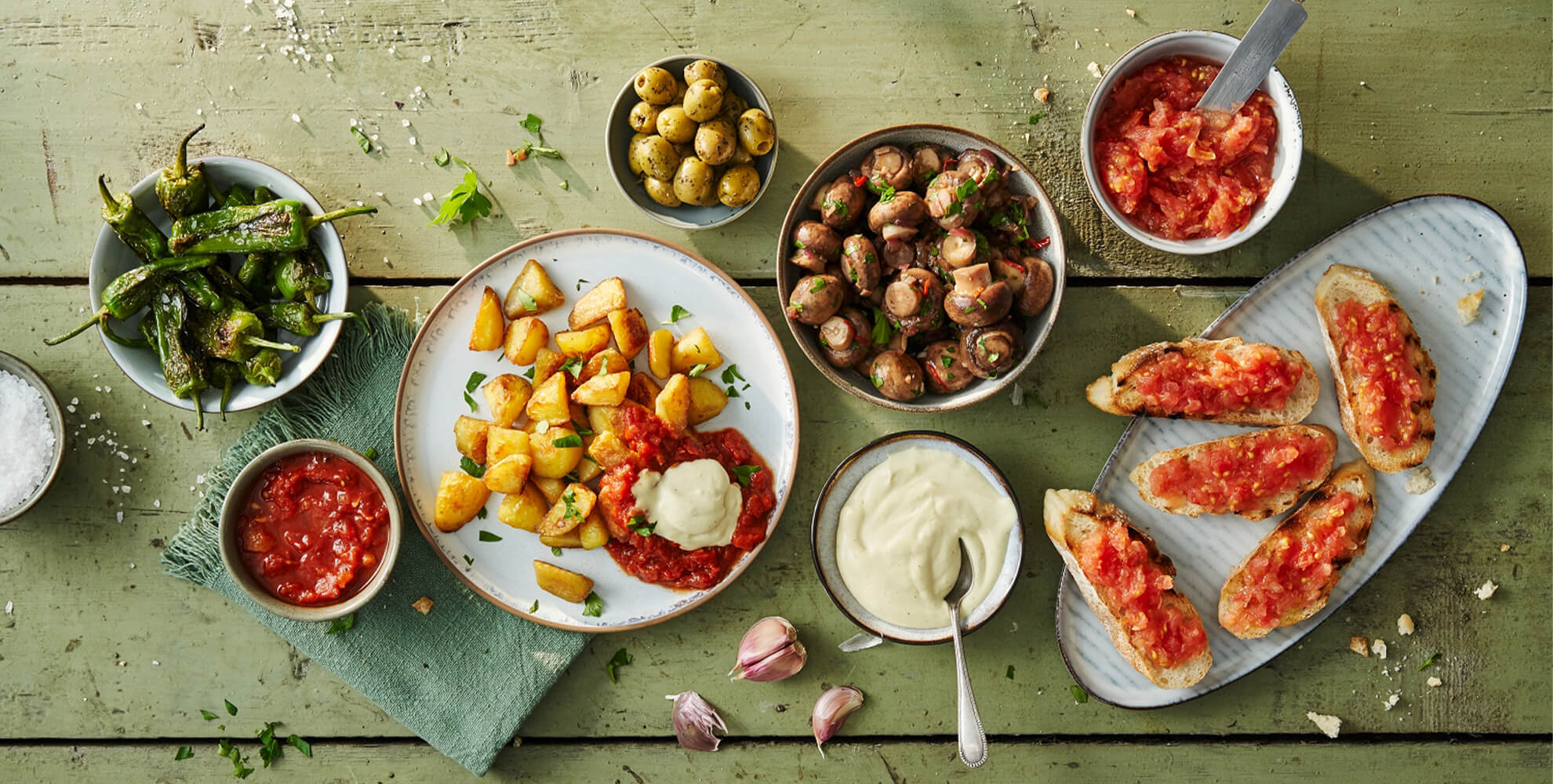
Sunday
Spanish tapas
Tasty variety on small plates
Tapas turn every meal into a convivial experience. Classics such as mushrooms, pan con tomate, patatas bravas and pimientos de padron are a must and bring pure Mediterranean flavor to the table – refined with our creamy aioli and other fine saucesthat give every bite that certain something.
Â
To the recipeWould you like a dessert?
After so much hearty food, sweet treats are a must! Our dessert inspirations are ideal for warm summer evenings or as a fine finale to a special menu.
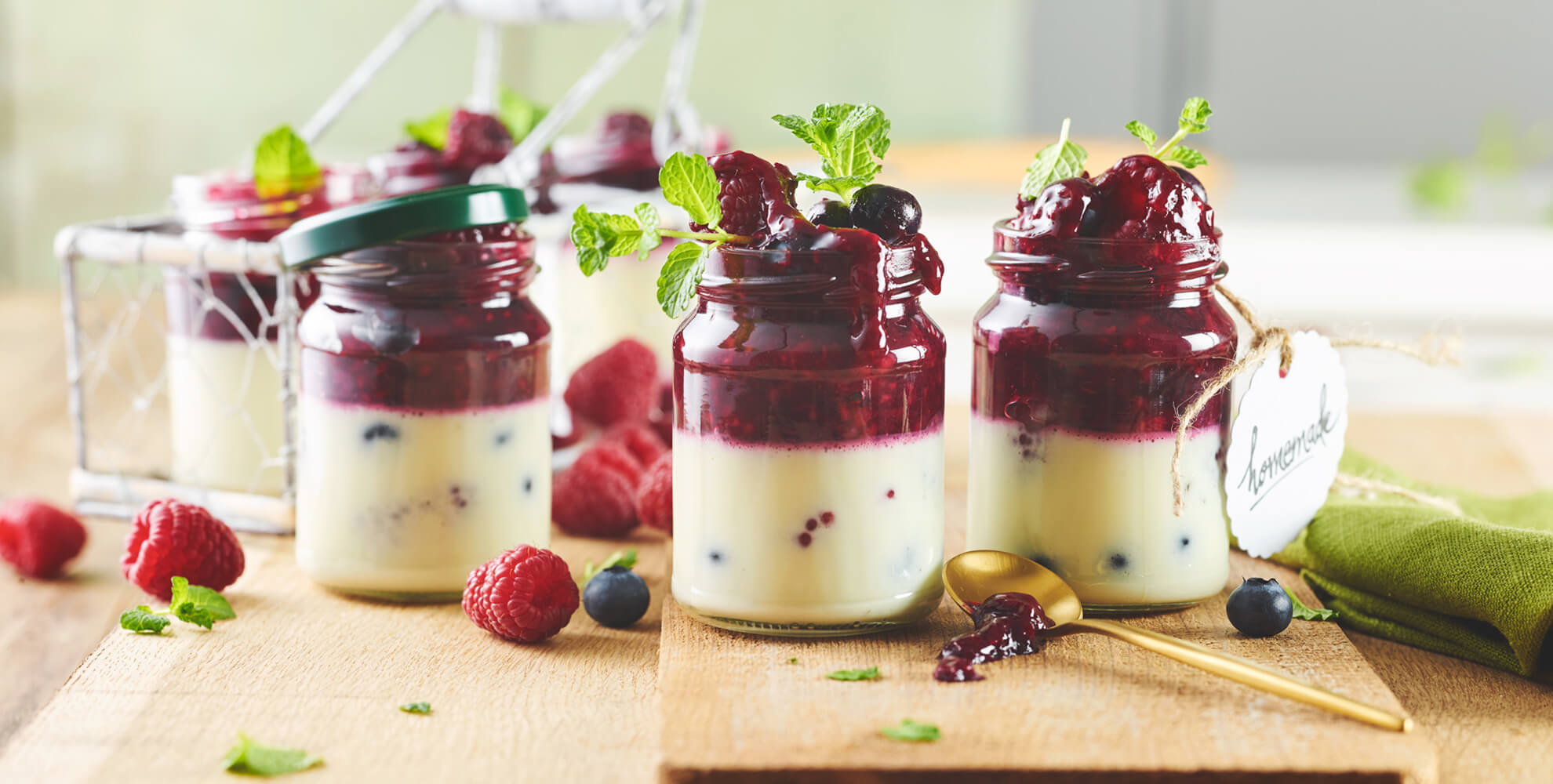
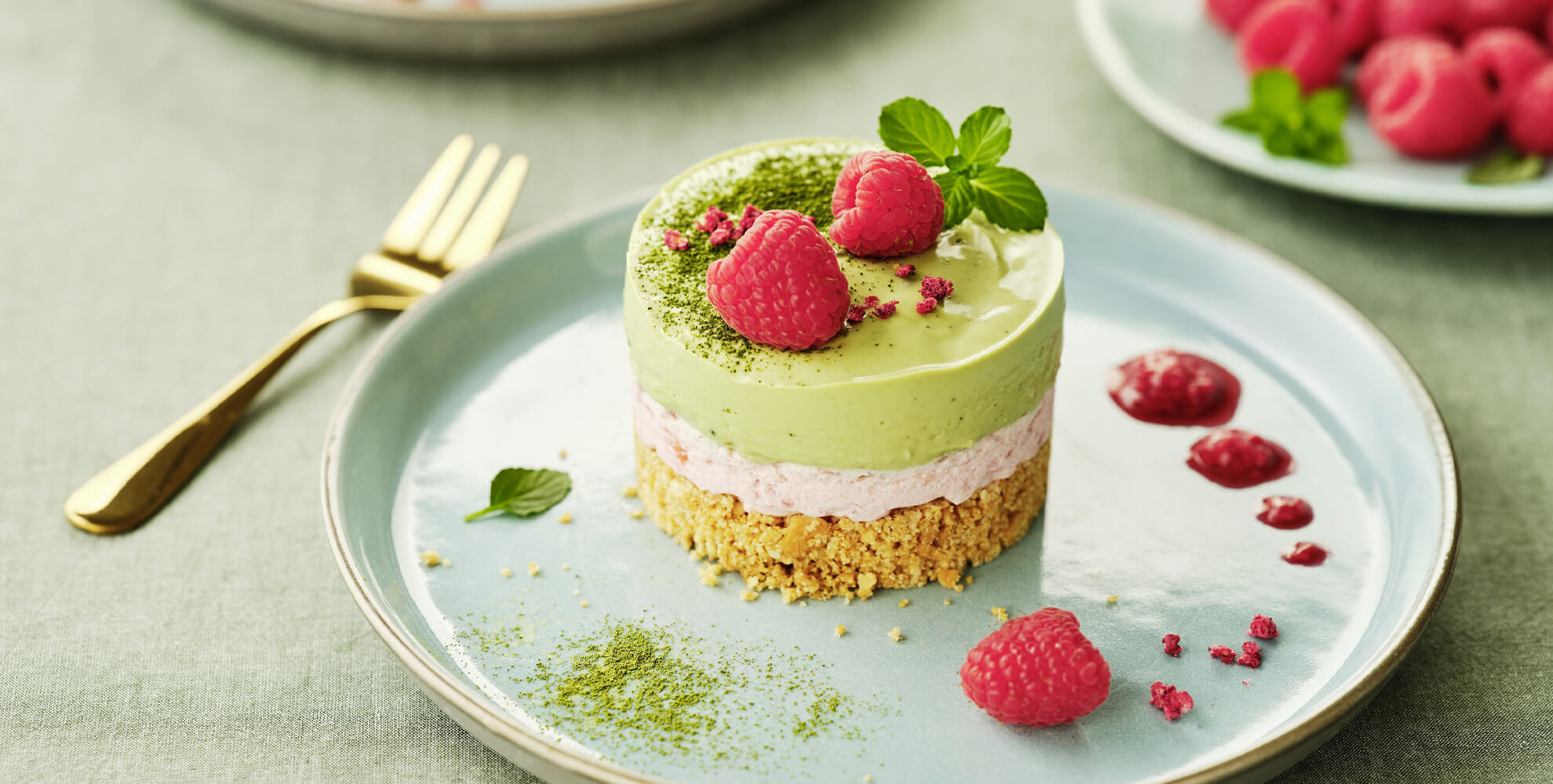
How about a classic panna cotta with a fresh berry compote, a pistachio tiramisu with balsamic figs or small matcha panna cotta tarts?
Easy to prepare – and guaranteed to be a delight!

This might also interest you

Three organic pestos - countless possible uses
Our organic pestos in the following flavors Genovese, Rosso and Calabrese are true all-rounders thanks to their special creaminess. Whether as a spicy base for pasta, extra flavor in soups or a hearty note on fresh bread – these three pestos not only impress with their 100% natural organic ingredients, but also with their wide range of uses.
But what should you do if some pesto remains in the jar after cooking?
We’ll show you how to cleverly use and use up leftover pesto – without wasting a single spoonful.
Â
Â
For particularly creamy moments: our three taste talents

To the Pesto alla Genovese


7 creative ideas for pesto leftovers
Pesto – and we immediately think of pasta. But our creamy organic pestos are so much more than just a quick sauce for pasta. Let us surprise you with how you can creatively use our three types of pesto – Genovese, Rosso and Calabrese – and enjoy every last blob.
Whether for dipping, seasoning or refining your dishes – here are our best ideas for creative moments of indulgence with Byodo pestos.

1. on bread - a classic rethought
A spoonful of pesto on fresh ciabatta or homemade bread is quick to prepare, but with a few ingredients it becomes a real highlight.
- Pesto alla Genovese goes perfectly with goat’s cheese, sun-dried tomatoes and rocket.
- Pesto Rosso harmonizes particularly well with mozzarella, avocado and a few squeezes of lemon juice.
- Pesto Calabrese adds a tasty spiciness to classic cheese sandwiches in particular – ideal with hard cheese or salami.

2. in the dressing - fresh taste for salads
Pesto also adds fresh flavors to salad dressings:
Simply mix 1-2 tablespoons of pesto with a little vinegar, lemon juice and extra virgin olive oil until smooth and your quick dressing is ready.
- Pesto alla Genovese is particularly suitable for green salads.
- Pesto Rosso adds a fruity note to pasta salads or couscous.
- Pesto Calabrese adds a spicy flavor to your potato or lentil salad.

3. in a dip - ideal for your snack
Our pestos can also be the ideal basis for quick dips:
Simply mix the pesto of your choice with a little yoghurt, cream or vegan crème fraîche until smooth, refine with fresh herbs or onions and enjoy with grilled vegetables, baked potatoes, potato wedges, tarte flambée or as a side dish for barbecues.

4. in soup - as an aromatic accompaniment
A dollop of pesto gives your soup a more intense flavor – simply stir into the soup and enjoy.
You can refine various soups with the pestos. Pesto alla Genovese, for example, gives your potato soup a Mediterranean touch. The pesto rosso, on the other hand, is suitable for carrot soup due to its fruity flavor. A pumpkin soup can be perfectly seasoned with Pesto Calabrese.

5. on the pizza / pinsa - for an Italian taste
Pesto is the perfect base for a spicy, aromatic pizza or pinsa.
Simply spread 1-2 tablespoons of pesto of your choice evenly over the dough and pre-bake for a few minutes.
Then top with any ingredients you like, such as rocket, burrata, sun-dried tomatoes, goat’s cheese, mushrooms, salami, pepperoni or even fruit such as grilled peaches.

6. at breakfast - the surprising pleasure
Whether on bread rolls, in omelettes, with breakfast eggs or as a topping for avocado toast – you can also give your breakfast that extra kick with pesto.
Fried eggs and smoked salmon benefit from the spicy taste of Pesto alla Genovese, while Pesto Rosso gives your breakfast bagel with cottage cheese a fruity note.

7. in vegetables - as a creative filling
Leftover pesto is also ideal for fillings in vegetables such as zucchinis, peppers or mushrooms.
Simply mix the pesto of your choice with feta, nuts, quinoa or any other ingredients, fill the vegetables with it and then bake them (baking time depends on the type of vegetable).
The stuffed vegetables are perfect as a vegetarian main meal or as a side dish.
Store leftover pesto correctly
To be able to enjoy leftover pesto for longer, you should store it correctly:
- In the fridge: Pesto will keep for up to 1 week in a tightly sealed jar.
- Cover with olive oil: This keeps the color of the pesto longer and the taste more intense.
- Freeze: The pesto can also be frozen in portions in ice cube trays and defrosted again as required.
This might also interest you

Naturally committed!
With a heart for organic
In 2024, many great organic projects once again applied for our BioBegeistert funding – and impressed us with their commitment to nature and animal welfare. The selection was anything but easy for us. We are therefore all the more pleased to present our three winning projects, which not only have inspiring ideas, but also put their heart and soul into them.
And best of all, the new application round has already started – find out how to apply below!

1st place: Theos Wiese
Sustainable and meaningful learning outdoors in and with nature
With the “Theos Wiese” project, the Theodor-Heuss-Gemeinschaftsschule brings children closer to sustainable learning in nature. The 5th and 6th grade profile classes experience lessons where they are most tangible: among chickens, sheep, guinea pigs, bees, goats, meadows and gardens.
Whether caring for the animals, growing vegetables or preparing the harvest together – real experiences of nature are created here. The aim is not only to strengthen your own understanding of ecological relationships, but also to make sustainable action tangible by selling the products.
What the funding is used for:
- Organic seeds & seedlings
- Tools & garden equipment
- Electric water supply in the garden
- Cargo bike to sell the products at the weekly market
This is what it looks like on site
The pictures show how the project is coming to life.
From the laying of the power line in the school garden to the finished electrical water supply – and right in the middle of it all, children tending the garden with joy and dedication.


2nd place: The Grasi school chickens
Chickens for a better understanding of nature
Chickens have recently arrived at Graslitz Primary School – and they are more than just school mascots. The school chickens promote a sense of responsibility, social interaction and a better understanding of animals and natural cycles.
Through daily care, the children learn what animal husbandry means and why healthy, species-appropriate and organic nutrition has its price.
What the funding is used for: Covering running costs such as
- High-quality organic food
- Veterinary care
- Maintenance of the enclosure
Â
We visited Graslitz elementary school and its organic project. In the video, principal Lydia Partsch gives us a tour of the school chickens and other sustainable projects at the school.

3rd place: Came across the chicken
Chicken keeping as part of the lesson
Chickens are also an integral part of everyday school life at Weiß-Ferdl-Mittelschule. What is special: Chicken farming is planned for the long term and firmly anchored in the curriculum. From the care and construction of coops to the interdisciplinary topic of organic nutrition, the children learn in a practical way how valuable sustainability and organic products are.
Particularly impressive: the school now not only produces organic eggs, but also its own honey – both of which are popular gift ideas at school events.
Â
The funding enables:
- Expansion of the enclosure
- Equipped with organic feed & litter
- Weather protection & activity material for the animals
- Egg stamps for the attractive presentation of organic eggs
Â
We also visited the Weiß-Ferdl School’s environmental working group! The children there take responsibility and proudly showed us their chicken enclosure and its inhabitants. Take a look!
Insights into everyday school life with chickens
The pictures show how varied the project is: The children feed the chickens, collect their eggs for the sustainable breakfast at school and, together with their teacher, build a “picnic” bench for the chickens in the workroom as part of the environmental club.


Apply now for the new round!
Is your school project committed to greater sustainability, organic food or environmental education?
Then join our BioBegeistert sponsorship program! We support projects that make a difference with creative ideas and passion.
BioBegeistert lives through your commitment!
The best part? After we have made a pre-selection of the submitted organic projects, the best entries will go into the voting round – you and your whole institution can then vote!
This might also interest you

Why no kitchen should be without balsamic vinegar
Versatile enjoyment & unmistakable aroma
Fruity, mild and versatile in taste – balsamic vinegar is a staple in many kitchens for good reason. Its roots go back to the Middle Ages, when it was initially used as a remedy in northern Italy before it began its triumphal march as a condiment. Even today, balsamic vinegar stands for quality and special enjoyment.
We’ll show you why fruity balsamic vinegar is a must in every kitchen and which dishes are particularly refined with it.
Â

The origin of balsamic vinegar
The origin of genuine balsamic vinegar lies in the Italian region of Emilia-Romagna, more precisely in Modena. It was produced there in the Middle Ages from boiled grape must – traditionally matured for years in small wooden barrels.
“Balsamico” is derived from the Italian, which means “healing” or “beneficial”.
The special maturation period and the high quality of the raw materials make the balsamic vinegar what it is today: an aromatic vinegar with a sweet and sour note and unmistakable character.

Mild & fruity taste
In contrast to classic wine vinegar, balsamic vinegar is significantly milder. It contains less acidity and has more fruity sweetness, which comes from the cooked grape must. Naturally and gently produced, balsamic vinegar provides a well-rounded taste experience.
The fruity and delicate variety of our balsamic vinegars leaves nothing to be desired. 100% of the finest organic ingredients and natural vinegar fermentation ensure a uniquely delicious taste. They impress with flavors such as mild apple, fine lemon, fruity pomegranate and rich raspberry.
Â
To our balsamic vinegarsBalsamic vinegar adds that certain something here
Whether it’s a classic leaf salad, couscous, lentil salad or caprese – a dash of balsamic vinegar rounds off any dressing and adds depth.
Oven vegetables, antipasti or grilled zucchinis benefit from a fruity finish with balsamic vinegar.
A few drops over creamy risotto or a Mediterranean tomato sauce will also add more flavor.
Balsamic vinegar is also ideal for marinating – for example tofu, tempeh or meat. The vinegar gives a fine caramelization when frying.
Balsamic vinegar harmonizes particularly well with hard cheeses such as Parmesan or goat’s cheese – one drop is enough!
Balsamic vinegar also tastes great in a sweet combination. In combination with strawberries, vanilla ice cream or panna cotta, the fruity vinegar creates special flavors.
With a good olive oil such as extra virgin olive oil from Italy and a little salt, balsamic vinegar is the ideal dip base for fresh bread.
Our fruity balsamic vinegars


Italian balsamic vinegar & balsamic vinegar


This might also interest you


*Promotion is valid from 23.06.-30.06.2025. The discount is automatically deducted in the shopping cart when purchasing 2 vinegars from the categories “Vinegar classics�, “Fruity balsamic vinegars� and “Italian balsamic vinegar & balsamic vinegar�. Promotion does not apply to vinegars from the CateringLine and already discounted branded vinegars.
Balsamic vinegar vs. classic vinegar
How do they differ?
In addition to classic apple or white wine vinegar, balsamic vinegar or aceto balsamico can also be found on the supermarket shelves. But what is the actual difference between these types? Is balsamic vinegar simply sweeter? And what is it used for?
We take a look at the most important differences – from production to taste.
Â
Â
The production
- Classic vinegars such as apple, red wine or white wine vinegars are produced using the classic vinegar fermentation process: alcohol is converted into acetic acid with the help of acetic acid bacteria – a purely biological process.
- Balsamic vinegars, on the other hand, are based on a slightly different principle: they are made from cooked grape must – the so-called “must concentrate”. The boiling down process produces a thick, slightly sweet vinegar that is significantly milder in taste. High-quality varieties such as balsamic vinegar also mature for a while in wooden barrels.
Â
Â
The taste
- Classic vinegar is usually tart, clear and fresh in taste – sometimes fruity (e.g. apple cider vinegar), sometimes stronger (e.g. red wine vinegar), depending on the variety.
- Balsamic vinegar is usually milder, sweeter and thicker. It brings not only acidity, but also depth, sweetness and a rounded aroma to the plate.
Â
Â
The most important differences at a glance

When do I use which vinegar?


This might also interest you
Your summer starts with the right vinegar. This week only: Combine 2 favorite varieties now & save 10%*!

*Promotion is valid from 23.06.-30.06.2025. The discount is automatically deducted in the shopping cart when purchasing 2 vinegars from the categories “Vinegar classics�, “Fruity balsamic vinegars� and “Italian balsamic vinegar & balsamic vinegar�. Promotion does not apply to vinegars from the CateringLine and already discounted branded vinegars.
How is vinegar made?
The vinegar fermentation
From sweet must to tangy acidity: the production of vinegar is a fascinating process that takes place in a completely natural way and has been practiced for centuries. But not all vinegars are the same: There are big differences between conventional and organic production.
We show you how vinegar is made and what is important in organic production.

Step by step: How vinegar is made
Vinegar is produced through a biological process called vinegar fermentation, in which alcohol is turned into acetic acid. Two important stages are required for this to work:
- Alcoholic fermentationThe starting point for any vinegar is a sugary liquid – e.g. grape must, apple juice or grain mash. With the help of yeasts, the sugar is first converted into alcohol. The result is an alcoholic beverage such as wine, cider or beer.
- Acetic acid fermentationNow acetic acid bacteria come into play. They convert the alcohol into acetic acid with the addition of oxygen – the basis for what we know as vinegar. This process can take place slowly and naturally or be accelerated by technical processes.
Conventional vs. organic: the subtle difference
In conventional production, the focus is primarily on efficiency. The fermentation process is greatly accelerated with the help of industrial fermenters – the vinegar is often ready after just a few days. Technical aids such as clarifiers or additives are often used to influence the taste, color and shelf life. The natural maturation and variety of flavors are usually lost in the process.
Organic vinegars generally have a deeper and stronger taste. This is not only due to the high-quality raw materials, but above all to natural processes, namely gentle processing and longer maturation.
- High-quality raw materials from controlled organic cultivation
- Slow, natural fermentation process
- No use of chemical pesticides or synthetic fertilizers
- Smaller batches & longer maturation to give the vinegar time to develop its full flavor
- Intense, complex aroma due to natural maturation
Special features of Byodo vinegars
Â
Our organic vinegars are made from 100% of the finest organic ingredients and are produced in a particularly gentle and natural way – without any heating or sulphuring. This preserves valuable enzymes and aromas, which ensures an intense, natural taste.
This production process also retains active acetic acid bacteria. They can appear as a“vinegar mother” – a visible sign of genuine quality and living naturalness.
Â
More about the "vinegar mother"
Our tip
Â
Whether for refining dressings, pickling vegetables or as a fine topping for desserts – a high-quality organic vinegar is a real all-rounder.
And because quality and enjoyment go hand in hand with us, you will find a large selection of naturally produced vinegars – 100% organic.
Â
Discover nowThis might also interest you
Your summer starts with the right vinegar. This week only: Combine 2 favorite varieties now & save 10%*!
*Promotion is valid from 23.06.-30.06.2025. The discount is automatically deducted in the shopping cart when purchasing 2 vinegars from the categories “Vinegar classics�, “Fruity balsamic vinegars� and “Italian balsamic vinegar & balsamic vinegar�. Promotion does not apply to vinegars from the CateringLine and already discounted branded vinegars.
Enjoy spicy
Enjoy spicy
Why we love spiciness – and sometimes fear it
Spicy food is polarizing – you either love it or prefer to give it a wide berth. Yet spiciness is not only a special kick, but also a real culinary experience. If you try it out, you will quickly discover how versatile spicy ingredients can be – and how they can refine or intensify the flavor of a dish.
Exciting: Our body reacts to spiciness in a similar way to heat. The nerve endings on the tongue and in the mouth are stimulated and the brain releases endorphins – including a little kick of happiness. Strictly speaking, this is not a taste, but a pain stimulus. The pungent capsaicin activates the heat receptors in the oral mucosa – similar to when we burn ourselves. For many, it is precisely this little “burn” that is the attraction: it awakens the senses, releases happiness hormones and (in the best case) is even a little addictive. This is precisely why so many people reach for hot sauce or hot and spicy mustard again and again.*
* Source: For Spicy Food Day on August 19: How healthy is spicy food? – PTAtoday
Â
Â
Not all spiciness is the same
Spiciness has many faces – depending on the ingredient, it feels very different. The best-known spicy ingredient is chillior more precisely the substance capsaicin contained in it. It provides a long-lasting, deeply warming spiciness that builds up slowly.
The situation is completely different with mustardHere the pungency comes from mustard oils, which take effect in a flash and can be felt in the nose in particular – a real kick of freshness that subsides just as quickly.
Also pepper (with the active ingredient piperine) or ginger also provide a mild, aromatic spiciness.
Horseradish is also rich in mustard oils, but its effect is even more intense and biting – it literally hits the nose and provides the well-known “spicy shock” that goes particularly well with fish, meat or beet.
Garlic on the other hand, has a rather ethereal, slightly burning pungency, which often mellows during cooking, but stands out more intensely when raw and has a particularly hearty, spicy effect.
If you know these differences, you can combine them in a targeted way, because spiciness tastes and acts very differently.
Sharpness in numbers
How spicy is spicy?
The Scoville scale measures the spiciness of food. It shows how much capsaicin is contained.
For comparison:
- Paprika: 0 Scoville
- Jalapeño: approx. 5,000 Scoville
- Habanero: up to 350,000 Scoville
- Reaper chili: over 2,000,000 (for professionals only! 🔥)
Our products with a spicy taste are designed for enjoyment – for a fiery, spicy note that lingers without being overpowering.
Three hot favorites in comparison
Dijon mustard vs. steak & pepper sauce vs. chili bell pepper sauce
Our three spicy organic specialties show just how diverse spiciness can taste. But what exactly is the difference between Dijon mustard, steak & pepper sauce and chili bell pepper sauce? And how does their respective spiciness go with different dishes? Which is your favorite?

Byodo Dijon mustard
The real Frenchman among mustard varieties impresses with its typical, subtle spiciness. Made from brown mustard seeds, finely ground and refined with special ingredients – the result is classic mustard with a refined spiciness.
What makes it stand out?
- Typical, direct mustard spiciness
- Ideal for dressings, sandwiches, marinades or for refining sauces
- Always fresh production in small batches
Spicy character: fresh, direct – short but intense
Our tip: For those who like it even spicier, we have our Hot mustard with chili.

Byodo Steak & Pepper Sauce
Pepper plays the leading role in this sauce – and not just in any way, but with fine Kampot and Malabar pepper. Its peppery, spicy note is complemented by a pleasant freshness that makes it the ideal accompaniment to grilled vegetables, potato wedges or, of course, steak.
What makes them stand out?
- Peppery spiciness with a pleasant freshness
- finely tuned with high-quality pepper
- Not only for meat fans, but also for plant-based cuisine
Spicy character: spicy, warm, persistent – with aromatic depth

Byodo chili bell pepper sauce
This is where sun-ripened peppers meet spicy chillies. The chilli bell pepper sauce combines sweet, fruity flavors with a gentle but noticeable heat – perfect as a dip or topping for bowls, burgers, etc.
What makes them stand out?
- Fruity freshness meets gentle chili spiciness
- Versatile – can be used as a dip, topping or seasoning sauce
- vegan & gluten-free – ideal for versatile dishes
Spicy character: mildly spicy, fruity – pleasant & balanced
Recipe tips – spiciness for every taste

Combine with your favorite sauce and every burger gets a different level of heat!
🔥up to🔥🔥 🔥 (depending on the sauce) To the recipe

🔥🔥🔥🔥 Try it now

🔥 To the recipe

🔥🔥 Try it now

🔥 To the recipe

🔥🔥 to 🔥🔥🔥🔥 Try it now
Spiciness tips for beginners (& the brave)
Â
- Increase the spiciness slowly: Start off mild and increase the spiciness slowly. Especially with new sauces or chili products, the first “tasting dip” is worthwhile – it’s better to spice it up than to regret it!
- Too spicy when cooking? Oils, cream, avocado and nuts soften capsaicin (the spicy ingredient in chili). A dollop of mayo, yogurt or a dash of coconut milk helps if it gets too spicy.
- Combine rather than cover: spiciness works best with acidity (vinegar), sweetness (e.g. mango) or fat (oil).
- Combine spicy products correctly: Mustard, pepper and chili have very different effects – it’s better not to use them all at once! For example, combine peppery steak & pepper sauce with mild ingredients, chili bell pepper sauce with sweet components such as baked vegetables or aioli with acidic dishes.
- Be careful with raw chilies: capsaicin is mainly found in the inner walls and seeds of the chilies. It is best to wear gloves when cutting and do not touch your eyes or face afterwards.
- Incorporate spiciness instead of adding it on top: When cooking spicy dishes, it is better to season them early on (e.g. stir in the sauce or cook with them) instead of just using the spiciness as a topping – this allows it to develop better in the dish.
- Water doesn’t help – dairy products do: when it gets too spicy: Water only spreads the spiciness further. It’s better to use milk, yogurt or a spoonful of neutral oil.
Our hot favorites


This might also interest you
Whether mustard, horseradish or sauce – you’ll find the right spiciness for your taste in our range.
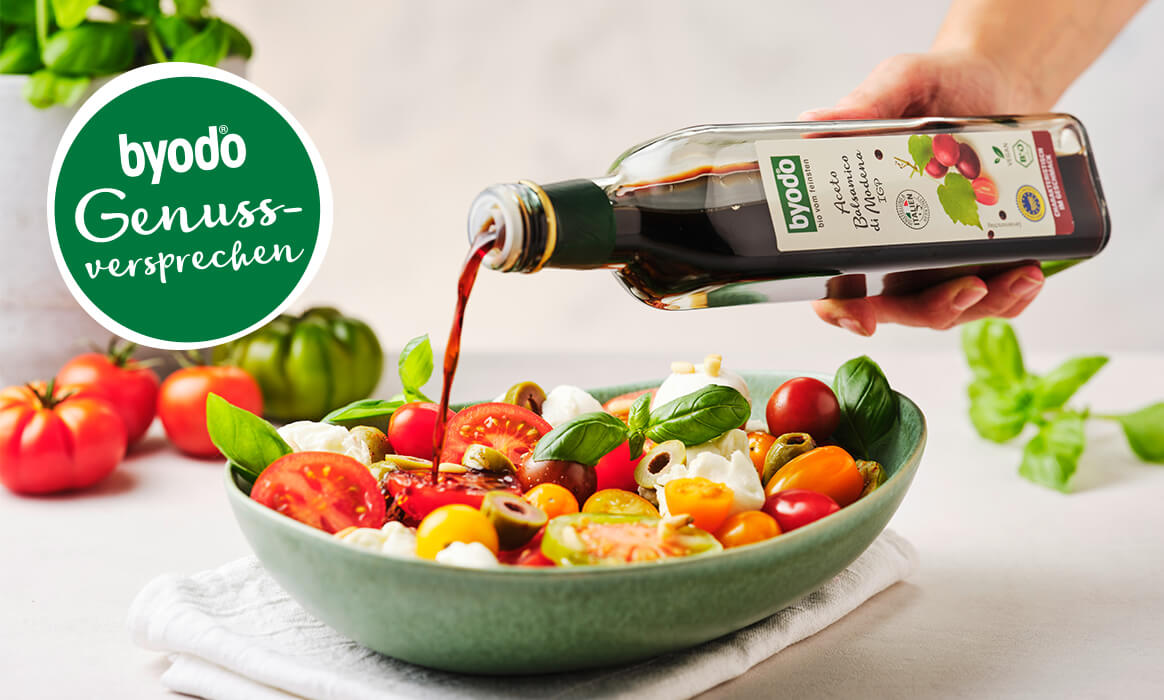
Extra virgin olive oil - why prices fluctuate
Extra virgin olive oil – why prices fluctuate
A look at the price development of our organic extra virgin olive oils!
After two years of very high raw material prices for extra virgin olive oil, we are now able to reduce our prices again somewhat – both for our extra virgin olive oil from Italy as well as for our extra virgin olive oil from Greece. However, as the market situation is developing dynamically, we always adjust our prices fairly and transparently – both upwards and downwards. As a customer, you are currently benefiting from the lower purchase prices, but the olive oil market will remain volatile in the long term, meaning that further price increases cannot be ruled out.
But why have prices for 100% organic olive oil risen so sharply in recent years? How will the market continue to develop? And what does this mean for our high-quality olive oil? We take a look at the background to the price trend and explain what this means for our delicious olive oil – and for you as a customer!
Why has olive oil become so expensive in recent years?
The past two harvest years (2023 & 2024) have hit global olive oil production hard. Extreme weather conditions led to drastic crop failures, particularly in the most important producing countries of Spain, Italy and Greece.

Why the crop failures?
Â
- Heatwaves and drought: Less rain and extreme temperatures affected the olive trees.
- Falling stocks: The low harvest volumes caused stocks to shrink, resulting in a massive increase in the price of olive oil.
- Pest infestation: The olive fly also occurred more frequently in certain regions and destroyed individual parts of the harvests.
Â
The result: record prices for the raw material olive oil at origin!
Prices are falling – but for how long?
The situation has eased with the new harvest (November 2024 – March 2025). The olive harvest has been better in Greece and Spain in particular, meaning that larger quantities are now available. This is pushing prices down – and we are passing this price reduction on directly.
But be careful: the situation is not the same everywhere!
Italy remains the exception: the harvest here was once again weak, which is why high-quality olive oil is still in short supply. Even though the situation in Italy remains tense, we can offer our Italian organic olive oil at an identical price to Greek olive oil.
Â
The graphs show the development of the olive oil price in the period from 07/2020 to 01/2025 in Greece (left) and Italy (right) – for our extra virgin olive oil we only look at the red graph “extra virgin olive oil”.
* Source: OLIVE OIL PRICES – February 2025 update


What does the future look like?
The current price level could hold up in the coming months – but olive oil remains an uncertain price factor commodity in the long term. The reasons:
- Stocks remain low. Although the new harvest was better, global stocks are not yet back to normal levels.
- Climate change is creating unpredictable conditions. Hot summers, drought or storms can jeopardize the next harvest.
- Italy could become even more expensive. The poor harvest and high demand for high-quality olive oil could lead to another price increase there.
- Rising production costs. Wages, energy and transportation costs continue to influence the final price.
Â
Regardless of market fluctuations and price trends, one thing remains unchanged: our commitment to the highest quality and best taste.

Our quality promise since 1985
Our quality promise since 1985
💚 100% organic ingredients from controlled organic cultivation
🫒 Careful cold pressing for full flavor and the best nutrients
ðŸ”� Double quality assurance – far beyond legal standards
🫱ðŸ�¼â€�🫲ðŸ�¼ Byodo’s promise of enjoyment for an outstanding taste experience
Â
Since our foundation 40 years ago – in 1985 – it has been our goal to combine organic and enjoyment in every single product. Our decades of expertise in sensory analysis always guarantee the highest quality and best taste in our extra virgin olive oils.

Sustainability counts - today more than ever
Sustainability counts – today more than ever
Developments in recent years show how strongly external influences can change agriculture and therefore also the availability and prices of food. Extreme weather and unpredictable harvest conditions make it clear that sustainable action is becoming increasingly important – for the environment, for producers and for us all.
Find out more about our commitment to a more sustainable future:
More about our sustainable path
This might also interest you


The variety of flavors of olive oil
What can olive oils taste like and how can you tell the difference?
Not all olive oil is the same. It is far more than just a basic ingredient – it is a real taste sensation! The aromas range from mildly fruity to intensely spicy, depending on the olive variety, the time of harvest and the processing. But how can you tell the difference? What do terms like “fruity”, “bitter” or “spicy” mean on the label?
In this article, we delve into the world of olive oil sensory analysis and show you how to recognize high-quality olive oils based on their taste profile, which flavours are available and which olive oil goes best with your favourite dishes. This way, you can choose your olive oil individually and round off your dishes perfectly.
Â
Â
The sensory profile of olive oil: pungency, bitterness & fruitiness
Olive oil has a unique spectrum of flavors – three sensory characteristics determine the taste of an olive oil: Fruitiness, bitterness and pungency. They are essential quality characteristics and help you to find the perfect olive oil for you. However, there is no “right” or “wrong” taste when it comes to quality – instead, there are different sensory profiles that indicate the diversity and complexity of olive oils.

Sharpness
A sign of freshness
A slight scratchy throat after tasting the olive oil? That’s a good sign! The sharpness also comes from the polyphenols it contains and is an indication of freshness.
👉 How do you recognize pungent olive oils?
- They cause a slight burning sensation in the throat
- More intense pungency indicates a higher polyphenol content
- Particularly pronounced in fresh, early harvests
The pungency is so typical of high-quality olive oils that professional tasters even rate it on their own scale!

Bitterness
A sign of quality
Bitterness is a natural characteristic of olive oil and an indicator of many valuable polyphenols. Polyphenols are secondary plant substances with health-promoting effects. Bitterness is mainly obtained from green, early harvested olives.
👉 Typical for:
- High-quality, cold-pressed olive oils
- Olive varieties with an intense aroma
- Oils with a strong flavor for hearty dishes
Bitterness can be unfamiliar at first, but it is an important quality feature – the more intense it is, the richer the olive oil is in healthy ingredients!

Fruitiness
The aroma of olive oil
Fruitiness describes the positive aromas of an olive oil that are reminiscent of fresh or ripe fruit, herbs or nuts. These are created by the olive variety, the degree of ripeness of the olive and the processing.
👉 Possible flavors can be:
- Green & fresh: green banana, artichoke, freshly cut grass
- Fruity & sweet: apple, almond, ripe tomato
- Herbs & spices: Basil, thyme, black olive
Â
The more intense the fruitiness, the more aromatic the olive oil. Particularly high-quality olive oils have a pronounced fruity aroma.
Our tip
Pay attention to the sensory scale on our labels – unlike many other organic olive oils, you can directly read off the fruitiness, bitterness and pungency and find the right olive oil for your taste.
Quality is not only to be found in the intensity of the aromas – mild olive oils can also impress with their careful processing and freshness. A mild oil is just as high quality, it just depends on the desired taste and area of use.
Â
Â
How to read the olive oil label correctly
Have you ever wondered what all the information on an olive oil bottle means? With Byodo organic olive oils, in addition to classic information such as the origin, best-before date and storage instructions, you will also find a sensory scale that presents a clearly defined taste profile of our olive oils.
But why is it so important to reveal the nuances of flavor? This is due to the diversity of flavors in olive oils. There are now over 1,000 varieties of olive oil – each with its own individual taste profile. As with good wine, the taste of olive oil varies depending on the climate and soil.
To make it easier for you to find the right olive oil with this variety of flavors, we have developed a sensory scale on our labels. This shows the three most important flavor characteristics of an olive oil – fruitiness, bitterness and pungency – in different intensity levels. This allows you to see directly which olive oil suits your preferences and dishes.

The sensory scale
The flavor profile of the olive oil can be taken from the sensory scale. The fruitiness is described with green or ripe aroma and taste notes. For bitterness and pungency on the other hand, there are three intensity levels, which are visualized on the label with circles and triangles. One symbol means “light”, two mean “medium” and three mean “intense”.
The strength of the flavor dimensions in our organic olive oils has been confirmed by an independent panel of olive oil experts.
You will also find information about the country of origin and the declaration as first-class extra virgin olive oil on the label. This is because our organic olive oils are obtained directly from olives using exclusively mechanical methods (cold pressing) – from controlled organic cultivation in Greece, Italy or Spain.
Which olive oil goes with which dish?


Our Italian olive oil is perfect for…
- Hearty Mediterranean dishes: ideal with bruschetta, caprese or grilled vegetables.
- Aromatic pasta & risotto: Particularly delicious in combination with fresh tomatoes, rocket or Parmesan.
- Strong meat dishes: wonderfully enhances the flavors of lamb, beef or game.
- Dips & dressings: Adds an intense note to pesto, aioli or vinaigrettes – classically with Aceto Balsamico di Modena IGP to tomato salad or a burrata.
Â
Our Greek olive oil is perfect for…
- Light, fresh dishes: Ideal for salads, fish or mild vegetables such as zucchinis or eggplants.
- Gentle pasta dishes: Goes perfectly with lemon pasta, seafood or ricotta ravioli.
- For sweets: Can be used in desserts or even combined with yogurt and honey.
- For refining: Ideal as a mild finish for soups or for drizzling on bread.
Â
Our Spanish olive oil is perfect for…
- Mediterranean & oriental dishes: Ideal for Moroccan tajine, couscous salad or tapas such as jamon serrano and Manchego cheese.
- Fruity salads: Goes wonderfully with salads with figs, raspberries, peaches or strawberry and asparagus salad.
- Fine dressings, marinades or vegetable dishes: Gives vinaigrettes, aioli or lemon marinades as well as fine vegetables a soft, fruity note.
- Desserts: Also perfect as a mild addition to chocolate or to refine vanilla ice cream.
This might also interest you

Perfect duos
Which oil goes with which vinegar? – Our expert tips!
Oil and vinegar are the dream team in the kitchen – but not every combination harmonizes perfectly. Which oil goes with which vinegar? As oil experts, we will show you how to complement our high-quality oils with the right vinegars and the basic principles to be observed when combining vinegar and oil.
Â
Why is the right combination of oil and vinegar so important?
- The balance is crucial: a strong oil needs equally expressive vinegar, while mild oils are better combined with gentle vinegars.
- Regional harmony: Oils and vinegars from the same region often go particularly well together in terms of taste (e.g. olive oil and balsamic vinegar).
- Perfect salad dressings & marinades: The right ratio of oil and vinegar enhances the flavor of salads, vegetables and even hot dishes.
Â
Â
Our perfect oil-vinegar combinations
Extra virgin olive oil, from Italy
The green fruit of Italy
Perfect with
- Aceto Balsamico di Modena IGP – The fruity-sweet note of balsamic vinegar ideally complements the slightly bitter aroma of our Italian olive oil. Perfect for tomato salad, caprese or bruschetta.
- Condimento Bianco – A gentle, fruity alternative to classic balsamic vinegar for light dressings or fish dishes.
- Lemon Balsam – The fresh citrus note enhances the fruity aroma of Italian olive oil and goes perfectly with seafood or asparagus.
Extra virgin olive oil, from Greece
The gentle lightness of Greece
Perfect with
- Red wine vinegar – The strong acidity perfectly complements the spicy, slightly bitter aromas of Greek olive oil. Ideal for Greek salads, grilled vegetables or feta dips.
- Raspberry Balsam – The fruity sweetness brings an exciting balance to the light character of the olive oil. Perfect for hearty summer salads or as a dressing for lentil salads.

Styrian pumpkin seed oil
Intensely nutty & aromatic
Perfect with
- Apple cider vinegar naturally cloudy – The mild fruitiness underlines the deep roasted notes of the pumpkin seed oil. Ideal for autumnal salads or pumpkin soup.
- Red wine vinegar – The strong acidity harmonizes with the nutty aroma – a delight for beet salad or lentil dishes.
- Apple balsamic – Fruity, mild and slightly sweet, perfect for warm potato salads or crunchy leaf salads.

Almond oil, virgin
Mild & fine with a delicate almond aroma
Perfect with
- Raspberry vinegar – The fruity sweetness underlines the fine almond aroma. Perfect for leaf salads with fruit or desserts.
- Lemon Balsam – For a fresh note in Asian salads or over steamed fish.

Rapeseed oil, virgin
Neutral to slightly nutty with a buttery note
Perfect with
- Clear apple cider vinegar – A classic combination for down-to-earth salads with potatoes, cabbage or pulses.
- Fine spicy vinegar – The spicy acidity enhances the flavor of hearty dishes and salads. Perfect for hearty potato salads or pickled vegetables.
- Condimento Rosso – A mild, balanced variant for fine salad dressings or vegetable dishes.

Walnut kernel oil, virgin
Noble & intensely nutty
Perfect with
- Raspberry Balsam – The sweet-fruity note harmonizes with the nuttiness of the oil – ideal for leaf salads or over goat’s cheese.
- Pomegranate balsam – The fruity intensity goes perfectly with winter salads, roasted vegetables or game dishes.
- Herb vinegar – The fine herbal note complements the aromatic walnut kernel oil wonderfully and adds freshness to dressings.
How to prepare the perfect dressing
- Note the ratioThe classic mixture consists of 3 parts oil and 1 part vinegar – can of course be adjusted according to taste.
- EmulsifyA dash of water or mustard helps to create a creamy consistency.
- SeasoningSalt, pepper and fresh herbs provide even more flavor.
3 quick dressing ideas for every taste
Fancy a change? These simple and delicious dressings will give your salads a new lease of life!
Whether fruity, spicy or Mediterranean – with just a few ingredients, you can conjure up delicious dressings in no time at all. Discover how you can easily prepare a spicy basil dressing, a fruity raspberry dressing or a creamy mustard dressing yourself with our oils and vinegars.
To the recipeMore inspiration for dressings, salads and marinades
15 min.
Leicht
Vegetarian
15 min.
Mittel
Vegetarian
60 min.
Mittel
Vegetarian
30 min.
Mittel
Vegetarian
20 min.
Mittel
Vegan
40 min.
Mittel
Vegan

5 min.
Leicht
Vegetarian
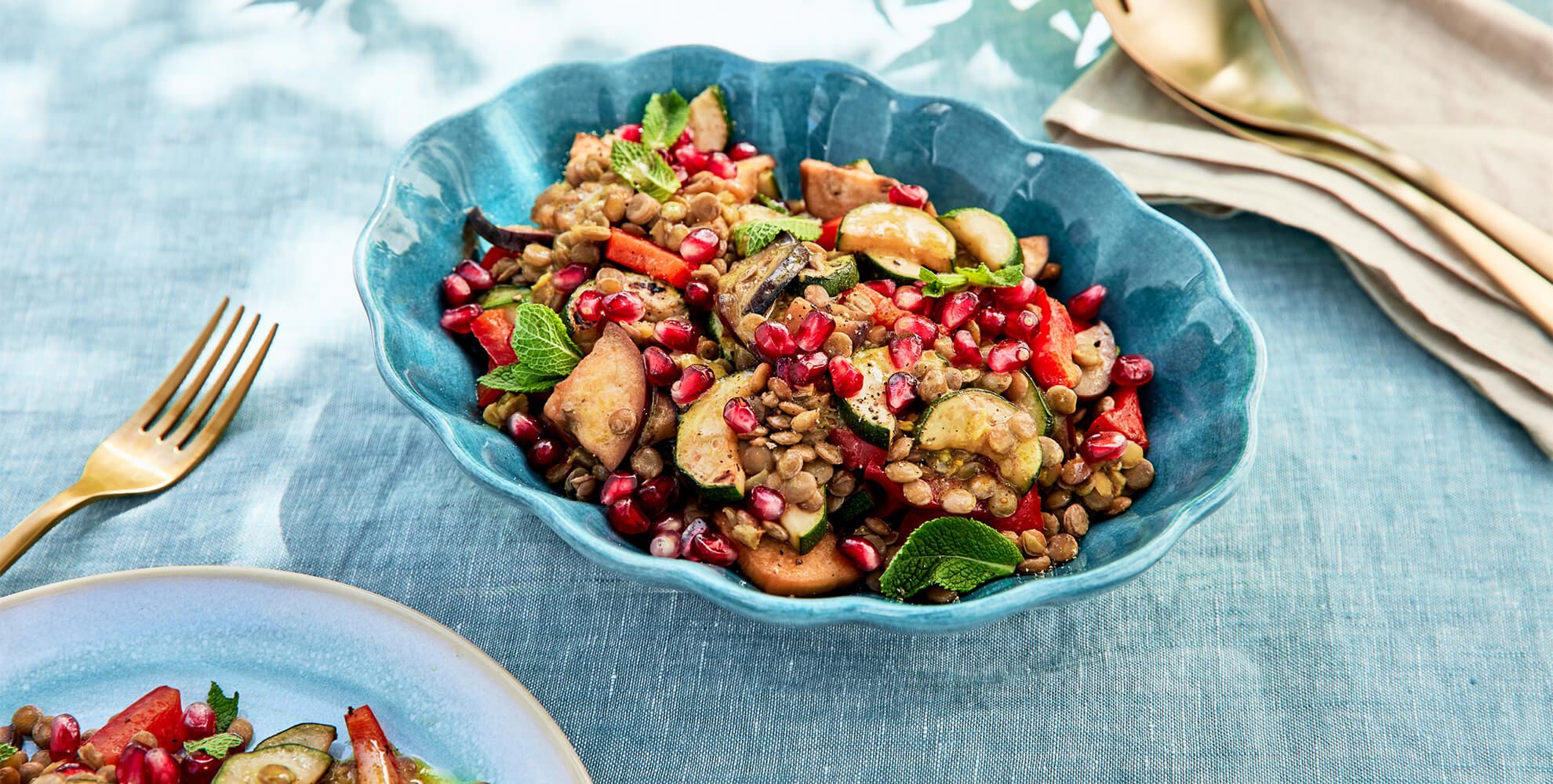
40 min.
Mittel
Vegetarian
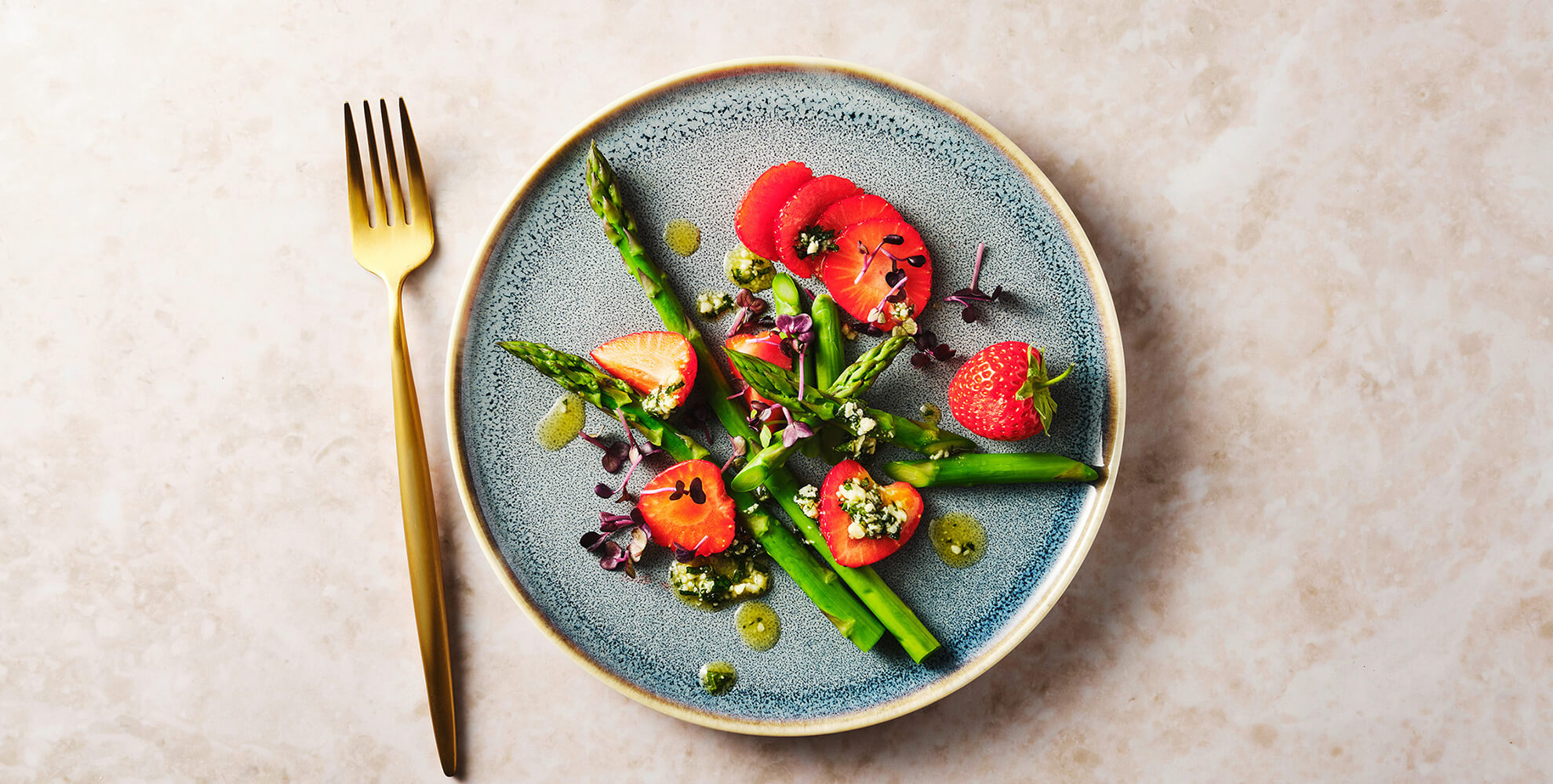
30 min.
Mittel
Vegetarian
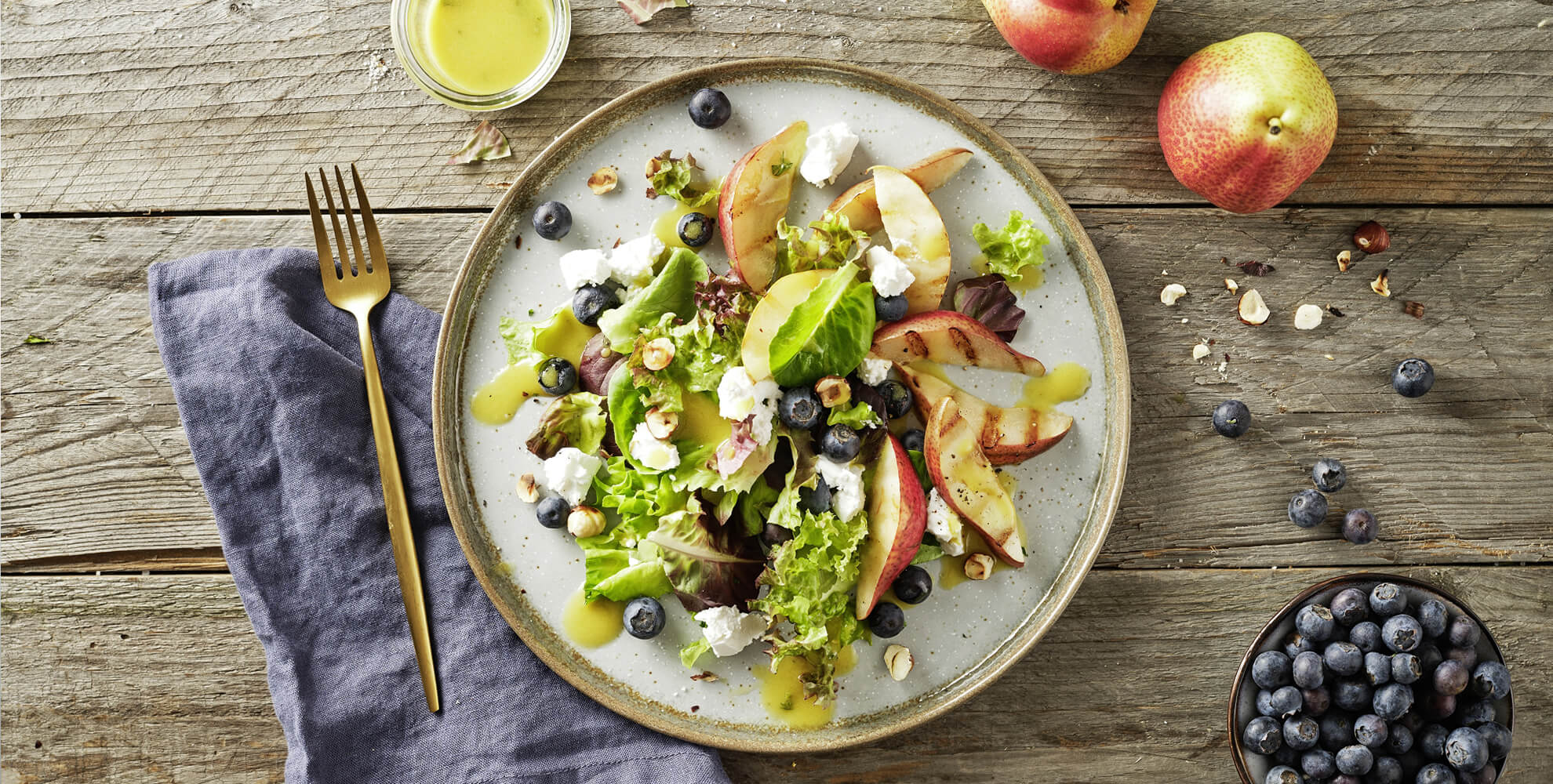
20 min.
Leicht
Vegetarian
This might also interest you
Your summer starts with the right vinegar. This week only: Combine 2 favorite varieties now & save 10%*!


*Promotion is valid from 23.06.-30.06.2025. The discount is automatically deducted in the shopping cart when purchasing 2 vinegars from the categories “Vinegar classics�, “Fruity balsamic vinegars� and “Italian balsamic vinegar & balsamic vinegar�. Promotion does not apply to vinegars from the CateringLine and already discounted branded vinegars.
Byodo receives sustainability certification
26.02.2025
First certification in accordance with the ZNU standard for sustainable management
We are pleased to announce our sustainability certification according to the ZNU standard to announce! This audit by TÜV Süd confirms our commitment to sustainable corporate management and shows that we are committed to a sustainable world.
Sustainability is not just a trend for us, but has been an integral part of our corporate philosophy since the company was founded in 1985. As an organic pioneer with a clear vision, we have imposed strict environmental, social, economic and corporate governance requirements on ourselves that go far beyond the legal requirements and are practiced in our day-to-day business.
In order to meet our own high standards and continuously work on improving our sustainability performance, we have been certified in accordance with the ZNU standard.


– Our managing director Stephanie Moßbacher
What is the ZNU Standard for Sustainable Management?
The ZNU Standard for Sustainable Management was developed by the Center for Sustainable Corporate Governance (ZNU) and is the world’s first holistic and independently certifiable sustainability standard. It calls on companies to systematically anchor and continuously improve sustainability in the areas of environment, social affairs, economy and corporate governance.
More information on the ZNU standardSustainability as an ongoing process
ZNU certification is not a one-off event, but requires continuous further development. We have set ourselves concrete sustainability goals to bring about positive changes in the coming years and work towards a better future. In doing so, we are taking concrete measures to reduce our ecological footprint, assume social responsibility and ensure economic sustainability.
With the successful ZNU certification, we want to send out a signal: Let’s continue to lead the way with sustainability initiatives in the future and create a better world together!
This might also interest you
Less packaging, more enjoyment!
Our tomato paste is now available in a 200g tube!
This is another step towards sustainability – because more content means less packaging material per 100g.
Why the new tube size?
Â
- Less packaging, still 100% organic quality: we are saving packaging material with the larger tube. With this measure, we also want to contribute to our sustainability goals. Did you know that our tomato paste is already filled in tubes made from 100% recycled aluminum? Learn more about it
- More content, better price: The larger tube makes our tomato paste cheaper per 100g without compromising on quality.
- Full tomato power: Our tomato puree remains as you know it: 100% finest organic tomatoes, sun-kissed and full of flavor!

The intensely fruity kitchen helper
Â
Our Tomato paste double fruit in the 200g tube is not only practical and economical, but also ideal for sustainable storage. Whether as a base for a spicy pasta sauce, for refining soups and much more – with the new size, you’ll always have enough tomato puree to hand!
Also our Tomato-Pepper Marrow and Tomato-vegetable pulp are now available in 200g tubes.
Â
Discover the spicy kitchen gadgets nowMore about sustainability at Byodo

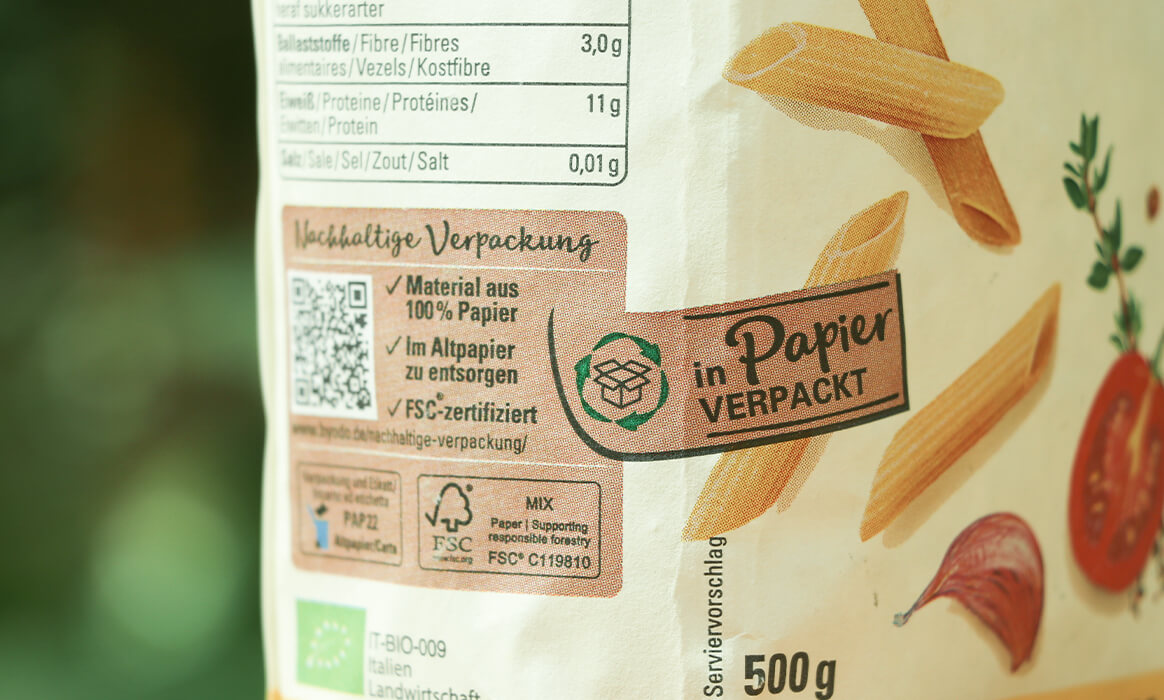
Once again awarded for highest quality standards!
16.02.2025
IFS certification with the “Higher Level” award received
We have once again received IFS certification, confirming our high standards in the areas of product safety, quality management and process optimization!
Quality has been a guiding principle throughout our company since it was founded 40 years ago. For us, it not only means 100% organic quality, but also the highest safety standards, sensory tests and partnership-based cooperation with suppliers and customers.
As in the previous year, we accordingly had ourselves certified according to IFS standards standards. Due to our diverse divisions, certification was carried out in accordance with both IFS Broker – for trading activities – as well as according to IFS Logistics Standards – for warehouse management from goods receipt to order picking.
Receive "Higher Level" rating
During the two-day audit, all procedures and measures in our company were put to the test – from company policy and organizational structure to the individual specialist departments. We not only met the minimum requirements, but also achieved the higher level, the highest assessment category of IFS certification.
“We are incredibly proud to have received this rating again. With the IFS certification, we are sending a clear signal for the highest quality and product safety.”
– Our managing director Stephanie Moßbacher.
Â
More about our quality standardsWould you like to know what IFS certification actually means, what requirements it has and what role it plays in our company?
This might also interest you
New name, same delicious taste
Our children’s mustard is now called mild mustard!
News for all mustard lovers! Our popular children’s mustard has been given a new name and is now called mild mustard.
But don’t worry: the taste and quality remain exactly the same – 100% organic ingredients, pleasantly mild and delicately spicy. Why the name change? It’s simple: the new name makes it clear at first glance that this mustard is not just for children, but for everyone who loves a smooth, balanced mustard flavor.

New name, same pleasure
Our mild mustard is the same high-quality organic mustard that you know and love. Only the label and the name have changed.
It goes perfectly with sausages, sandwiches and dips – and is the ideal mild mustard alternative for the whole family.

Finest organic ingredients and mild taste
Our mild mustard is convincing:
- 100% finest organic ingredients
- A mild mustard alternative for young and old
- Pleasant mildness due to the fine sweetness of the agave
- Delicately spicy taste for versatile enjoyment
Â
Discover mild mustard in the storeDiscover more about mustard:

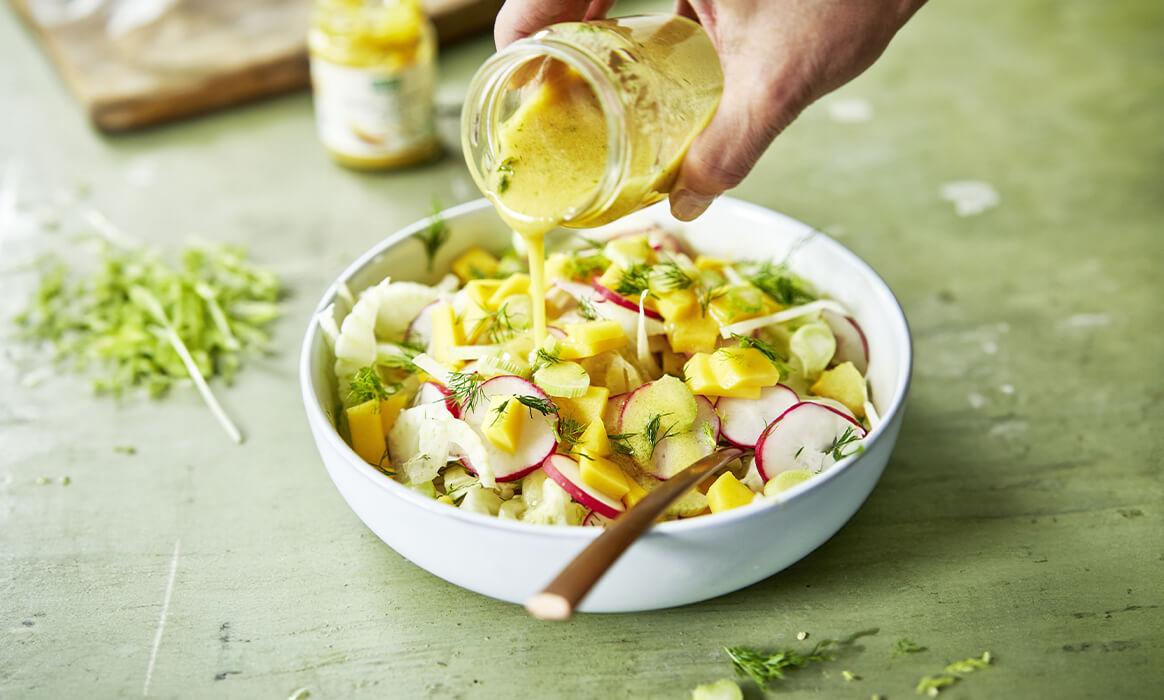
Veganuary over - and now?
Veganuary over – and now?
Our conclusion & highlights
January is over – and so is Veganuary 2025. But what has really changed? What positive effects does a month of a purely plant-based diet have – for you, the environment and animals?
One month vegan - what did you achieve?
One month vegan – what did you achieve?
Veganuary 2025 was an impressive success: around the world, some 25.8 million people in January on a purely plant-based diet.
Did you know that one vegan month alone saves the lives of around 30 animals? This is shown by the vegan calculator of the online magazine veganfitwerden. But that’s not all:
- Reduce your CO2 footprint: According to the Federal Environment Agency, a plant-based diet causes around 40% less CO2 emissions compared to a mixed diet.
- Save water: Anyone who eats a vegan diet for a month saves an average of 125,000 liters of water – the equivalent of around 1,667 full bathtubs!
- Conserving resources: Significantly less land is needed to produce plant-based foods than for animal products.
These figures show: Every vegan day makes a difference!
Â
Sources:
Veganuary balance sheet 2025 | Veganuary’s influence more noticeable than ever
WWF study: Culinary Compass Biodiversity Nutrition
Climate and environmentally friendly nutrition | Federal Environment Agency
Study on nutrition, land requirements and climate
Vegan calculator | How many resources have you saved?
Our participation in Veganuary: indulgence without compromise
We also took part in Veganuary to discover the benefits of a plant-based diet together with our employees. One particular highlight was our gourmet kitchen, where chef Sabine and her team conjured up different vegan dishes every day. The feedback? Positive across the board!

Conclusion
Veganuary 2025 has not only raised awareness of plant-based nutrition globally, but also within our company. The shared experiences and discoveries in our gourmet kitchen have shown just how varied and tasty vegan cuisine can be. We look forward to continuing on this path together.
Â
What happens now?
Veganuary is over, but plant-based nutrition remains an exciting topic. Perhaps you would like to try vegan dishes more often? Even small steps make a difference – for you, the environment and the animals.


Exciting articles on vegan nutrition

Protein power for a plant-based diet
Protein power for a plant-based diet
Why proteins are so important
Proteins are essential for our body – they support muscle building, promote cell repair and provide important energy. However, it can be challenging to meet our daily protein requirements, especially when eating a purely plant-based diet. But why are proteins so essential and how can you ensure that your diet contains enough of them even without animal products?
You can easily balance this out with the right combinations and selected foods.
We show you which plant-based sources are particularly rich in protein and how you can make your everyday life protein-rich and enjoyable with the right choice of plant-based products.
How much protein does the body need?
How much protein does the body need?
Orientation: We need approx. 0.8 – 1.2 g* of protein per kg of body weight (56 – 84 g of protein are needed for a body weight of 70 kg)
Athletes or active people often need more protein.
Practical tips:
- Combine each meal with a protein source
- Combine different plant-based foods (e.g. rice and beans or hummus and bread)
- Ensure variety to obtain all essential amino acids
* Source: DGE – Deutsche Gesellschaft für Ernährung e.V. | DGE

Animal vs. vegetable proteins
Vegetable proteins are
- healthy,
- high in fiber and
- sustainable,
however, require a deliberate combination of different sources in order to obtain a complete amino acid profile. Clever combinations such as beans and rice provide complete proteins.
Animal proteinsfound in meat, eggs, fish or dairy products provide all the essential amino acids in one go, but are often less sustainable due to higher resource consumption and the associated greater environmental impact, and can contain more saturated fatty acids.
Plant-based sources of protein
There are numerous plant-based foods that are rich in protein and can be perfectly integrated into a balanced diet.
- Pulses such as lentils, chickpeas, beans or peas
- Soy products such as tofu, tempeh or soy milk
- Cereals & pseudocereals such as quinoa, oats, millet or whole grain products
- Nuts & seeds such as almonds, walnuts, chia seeds or pumpkin seeds
- Algae & Spirulina
- Vegetables such as kale, broccoli, spinach or other green vegetables
The most protein-rich sources at a glance:

Advantages: Complete amino acid profile, versatile in use

Benefits: Rich in fiber and iron, ideal for stews, salads and curries

Benefits: Versatile, e.g. as hummus, in curries or as a snack

Benefits: Rich in omega-3 fatty acids and fiber, perfect for breakfast or snacks

Benefits: Contains all essential amino acids, gluten-free and easily digestible
The Byodo protein heroes
Discover protein-rich organic quality for every day with our Byodo products!

For everyone who loves pasta!


Delicious recipes for your everyday life
Are you looking for delicious, purely plant-based recipes that not only taste good but also meet your protein requirements? Discover our creative recipes suitable for everyday use for more energy and a special treat!
15 min.
Leicht
Vegetarian
15 min.
Mittel
Vegetarian
60 min.
Mittel
Vegetarian
30 min.
Mittel
Vegetarian
20 min.
Mittel
Vegan
40 min.
Mittel
Vegan
5 min.
Leicht
Vegetarian
40 min.
Mittel
Vegetarian
30 min.
Mittel
Vegetarian
20 min.
Leicht
Vegetarian

35 min.
Mittel
Vegetarian

35 min.
Leicht
Vegan
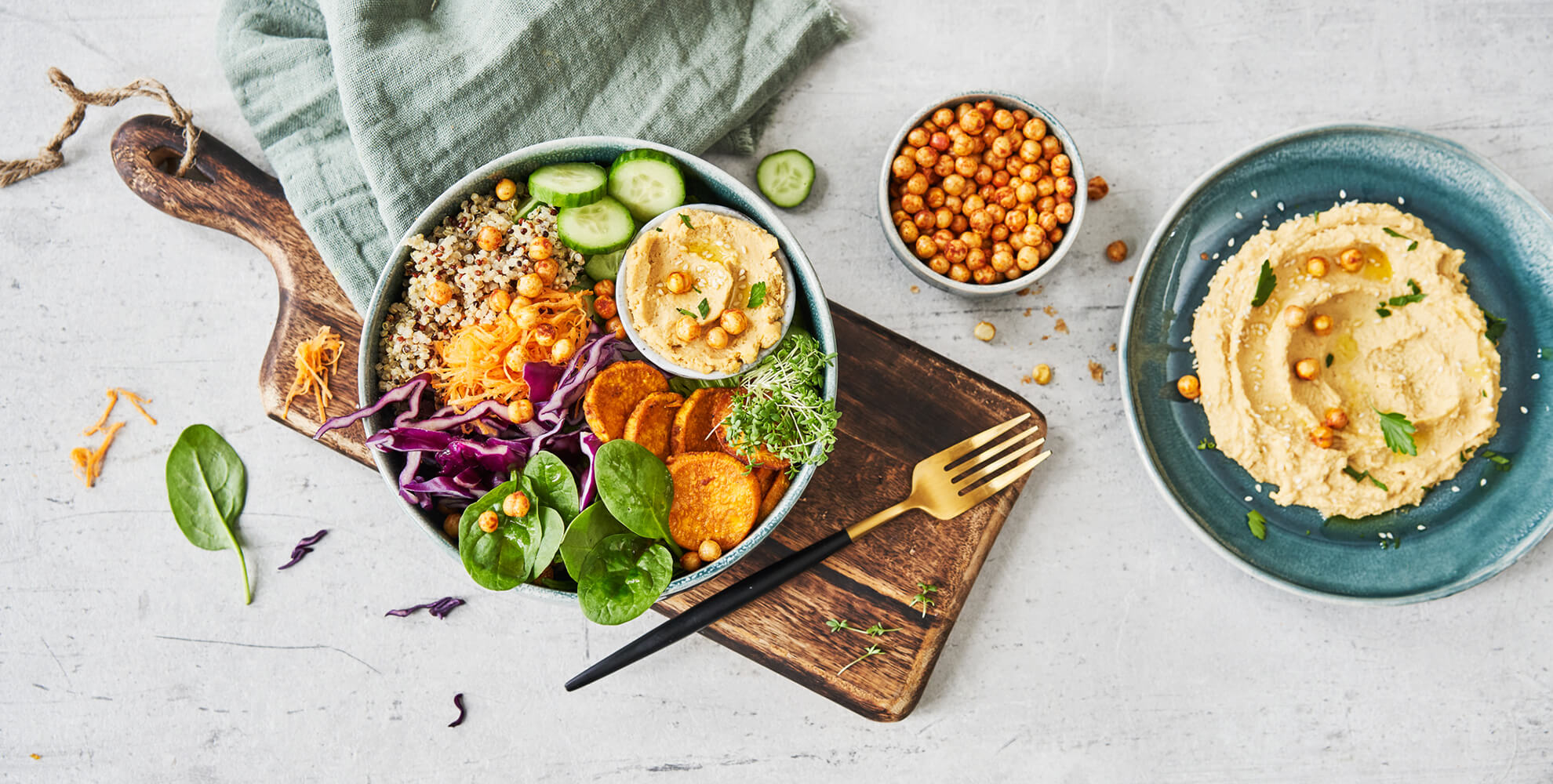
50 min.
Leicht
Vegan
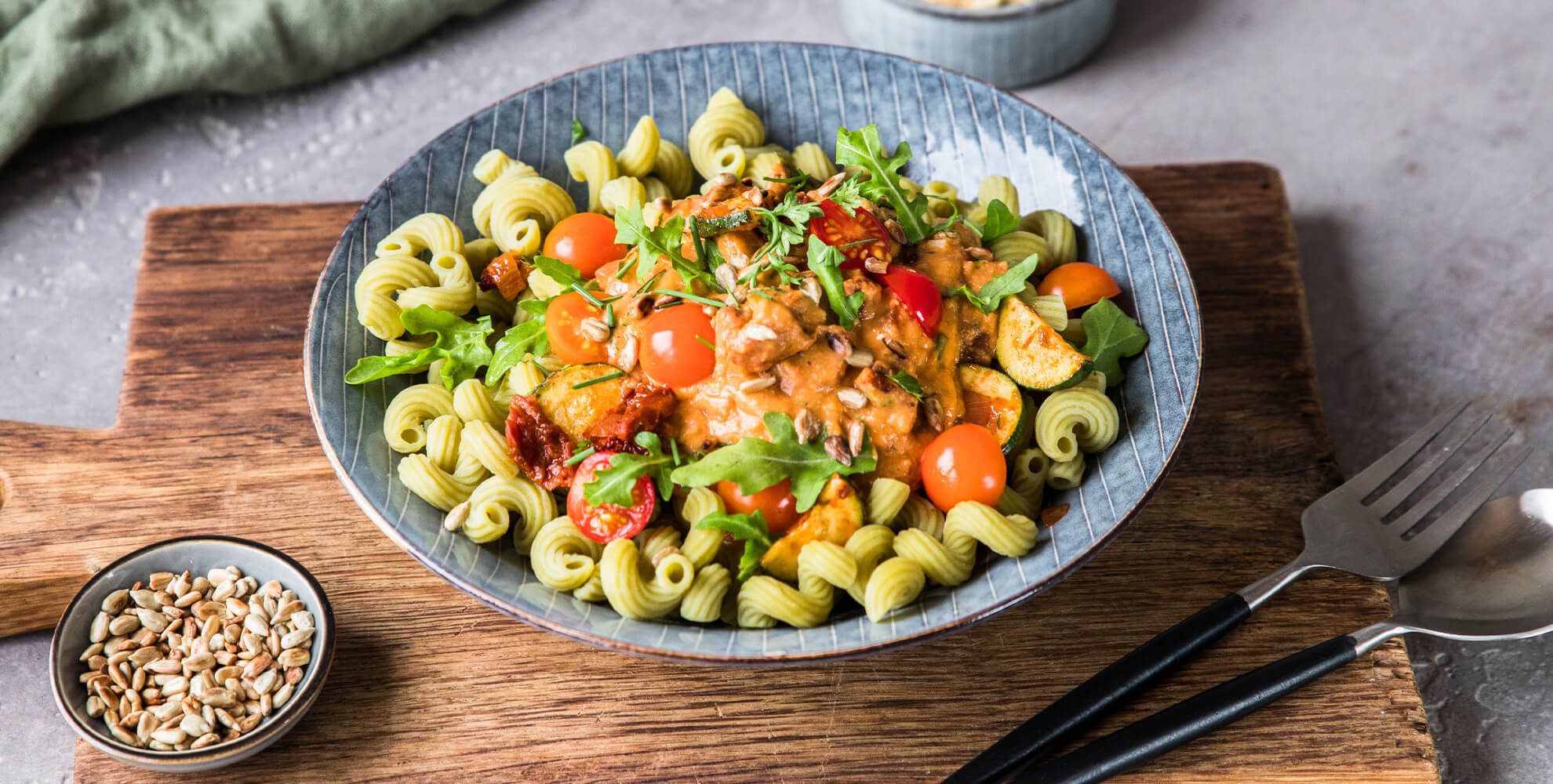
20 min.
Mittel
Vegan
This might also interest you
Why organic is the best choice for a plant-based diet
Why organic is the best choice for a plant-based diet
Natural, sustainable and full of flavor
You want to live more sustainably and still not give up anything? With a vegan diet, you are already making a strong decision – and you can go one step further with organic.
A plant-based diet is all the rage – and for good reason. It is not only good for the environment, but also for your health and ensures better animal welfare. But not all vegan products are the same. We’ll show you why organic is the best choice.
Better for the environment, better for you
Better for the environment, better for you
A vegan diet has a hugely positive impact on the environment. Why? Because growing plant-based food is much more resource-efficient and reduces the ecological footprint.
Animal products consume more water, land and energy and are responsible for 14.5% of global greenhouse gas emissions. At the same time, billions of animals suffer in factory farming.
With vegan alternatives, you save resources, reduce your carbon footprint and set an example for greater animal welfare.
Â
The influence of plant-based nutrition on biodiversity
Did you know that our diet also has a direct impact on biodiversity?
The impact of our diet on biodiversity can be measured using the biodiversity footprint measure.

According to a study by WWF (World Wildlife Fund) Germany*, the consumption of animal products accounts for 77% of this biodiversity footprint, while only 23% is attributable to plant-based foods such as vegetables, fruit, nuts and cereals.
The more plant-based products end up in the shopping basket, the smaller the biodiversity footprint of the diet. According to the study, a vegan diet in Germany would reduce the biodiversity footprint by 63 percent. This shows that a purely plant-based diet has a much smaller impact on biodiversity and therefore makes a significant contribution to protecting our planet.
Sources:
WWF study: Culinary Compass
FAO report

Organic goes one step further
Organic goes one step further
A plant-based diet already has a positive effect on the environment, but with organic you go a decisive step further. By choosing organic products, you are supporting:
- Biodiversity*: Promotion of biodiversity and protection of natural habitats by avoiding the use of synthetic chemical pesticides and genetic engineering
- Soil health*: Sustainable farming methods preserve fertile soils for future generations
- Climate protection**: Reduction of CO2 emissions through organic farming
Â
Choosing organic products in combination with a vegan diet means that you don’t have to compromise: they are sustainable and simply taste better than many conventional alternatives.
Sources:
How organic benefits the environment
Climate protection and emissions trading
Â
https://www.byodo.de/unser-nachhaltiger-weg/Enjoy vegan – in 100% organic quality!
Many conventional vegan products are often criticized for being full of additives that are supposed to improve the taste, consistency or shelf life. Not so with organic products. Our range of over 120 vegan organic products follows the principle: less is more.

Organic as a promise of quality
Organic as a promise of quality
At Byodo, organic not only means sustainability, but also the highest quality standards. Our Byodo promise of enjoyment stands for:
- 100% best organic ingredients,
- highest quality and
- an outstanding taste experience.
That’s why we pay attention to the best taste as well as premium quality right from the product development stage. This means that only the most sophisticated recipes find their way into our range – the best organic ingredients combined with a great deal of passion for enjoyment!
Fewer additives, more flavor
Fewer additives, more flavor
Did you know that Byodo products only use 4 instead of the 56 permitted additives?
We deliberately avoid using this large number of substances and only use what is absolutely necessary. In our internal quality guidelines, we have stipulated that across the entire product range we only use 4 additives across the entire product range.
Our organic products are also free from artificial flavors or colorings – for a natural taste.
More about our additives
This might also interest you

Veganuary 2025 - we are part of it!
Join us in going vegan this year – good for you, good for the planet, good for the animals! Veganuary is an international non-profit organization that encourages people around the world to go vegan in January and beyond. Since 2014, Veganuary has motivated millions of people from almost every country in the world to try a vegan diet. We are proud supporters of the Veganuary movement and want to inspire people to eat a plant-based diet! We are also taking part in the Veganuary Workplace Challenge. This offers our employees a great opportunity to discover purely plant-based dishes and delights together through various events and to exchange ideas about them. Become part of the Veganuary movement and give vegan a try!
The Veganuary at Byodo
Veganuary is more than just a trend – it stands for the conscious decision to start the new year with sustainability and indulgence. We at Byodo are proud to be part of this movement. With our vegan part of the range, we want to set an example for conscious enjoyment without compromising on taste. We also want to inspire Byodos for vegan nutrition in the workplace and are launching the Workplace Challenge.
Veganuary made easy: our recipe ideas
Discover the world of vegan cooking and try delicious, plant-based dishes. Whether you are already vegan or would like to try it out - with our recipe ideas you will find simple and delicious inspiration that invite you to cook it yourself.

15 min.
Leicht
Vegetarian
15 min.
Mittel
Vegetarian
60 min.
Mittel
Vegetarian
30 min.
Mittel
Vegetarian
20 min.
Mittel
Vegan
40 min.
Mittel
Vegan
5 min.
Leicht
Vegetarian
40 min.
Mittel
Vegetarian
30 min.
Mittel
Vegetarian
20 min.
Leicht
Vegetarian
35 min.
Mittel
Vegetarian
35 min.
Leicht
Vegan
50 min.
Leicht
Vegan
20 min.
Mittel
Vegan

80 min.
Schwer
Vegan
35 min.
Leicht
Vegan
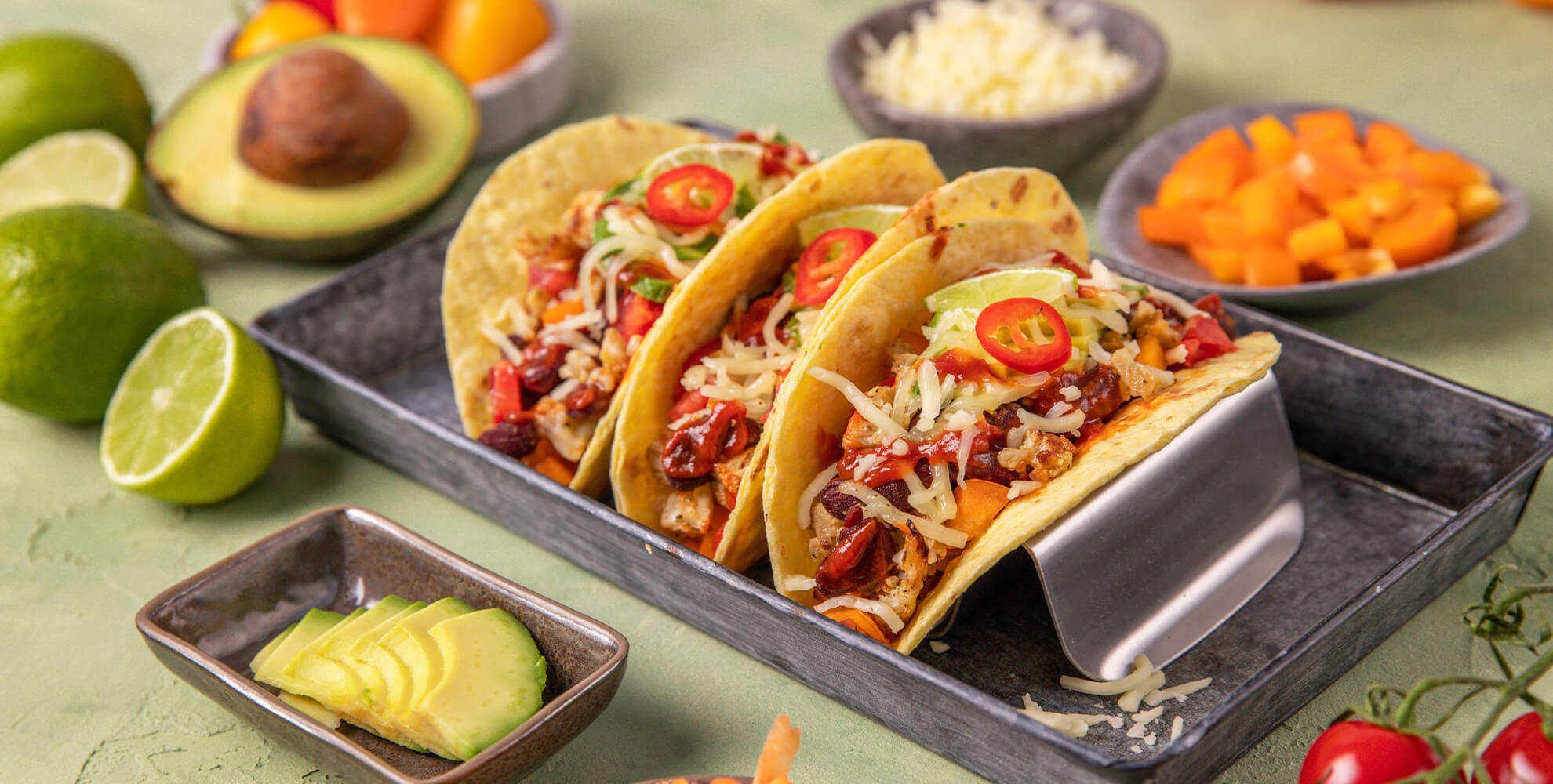
45 min.
Mittel
Vegan
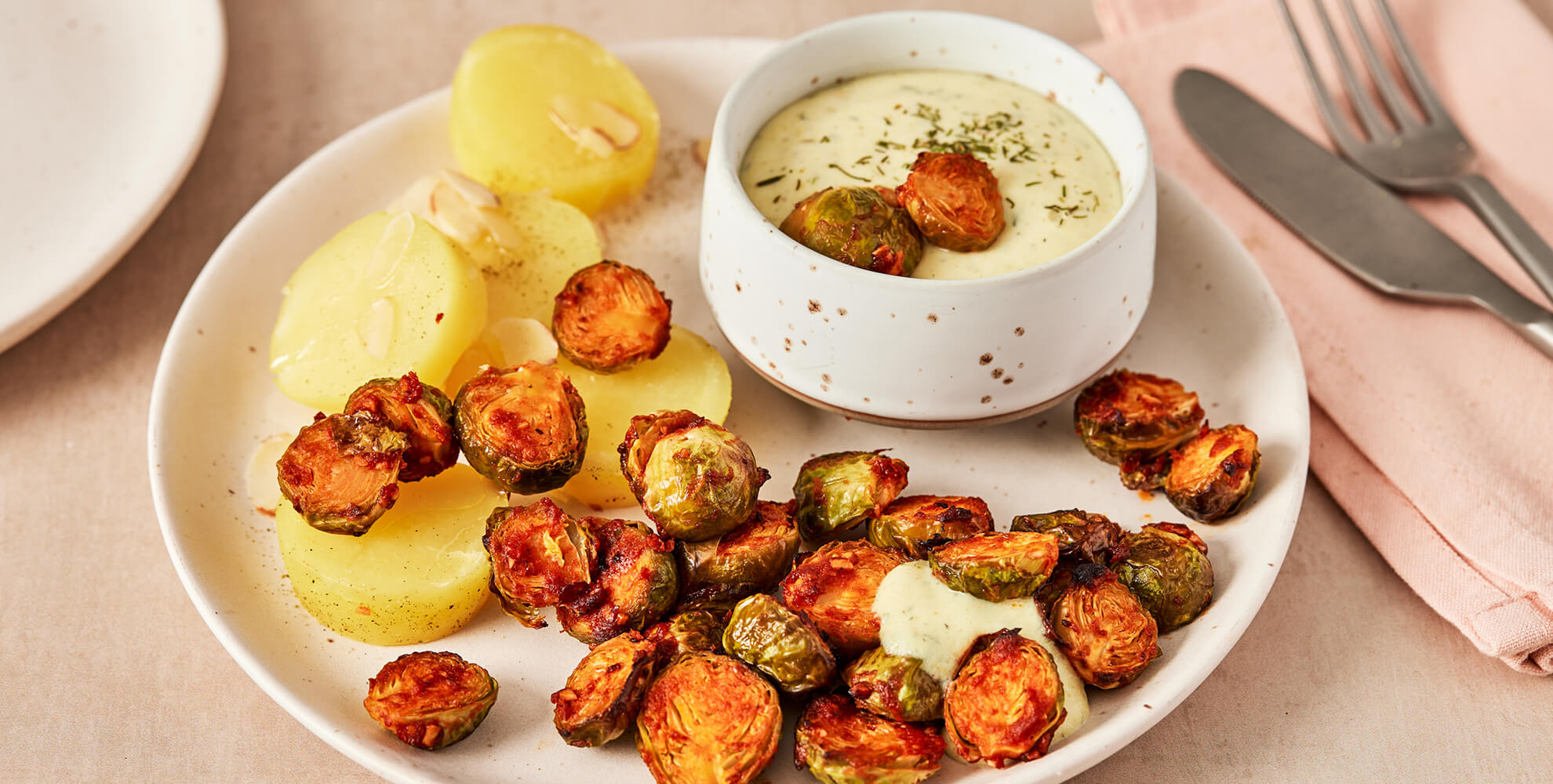
50 min.
Leicht
Vegan
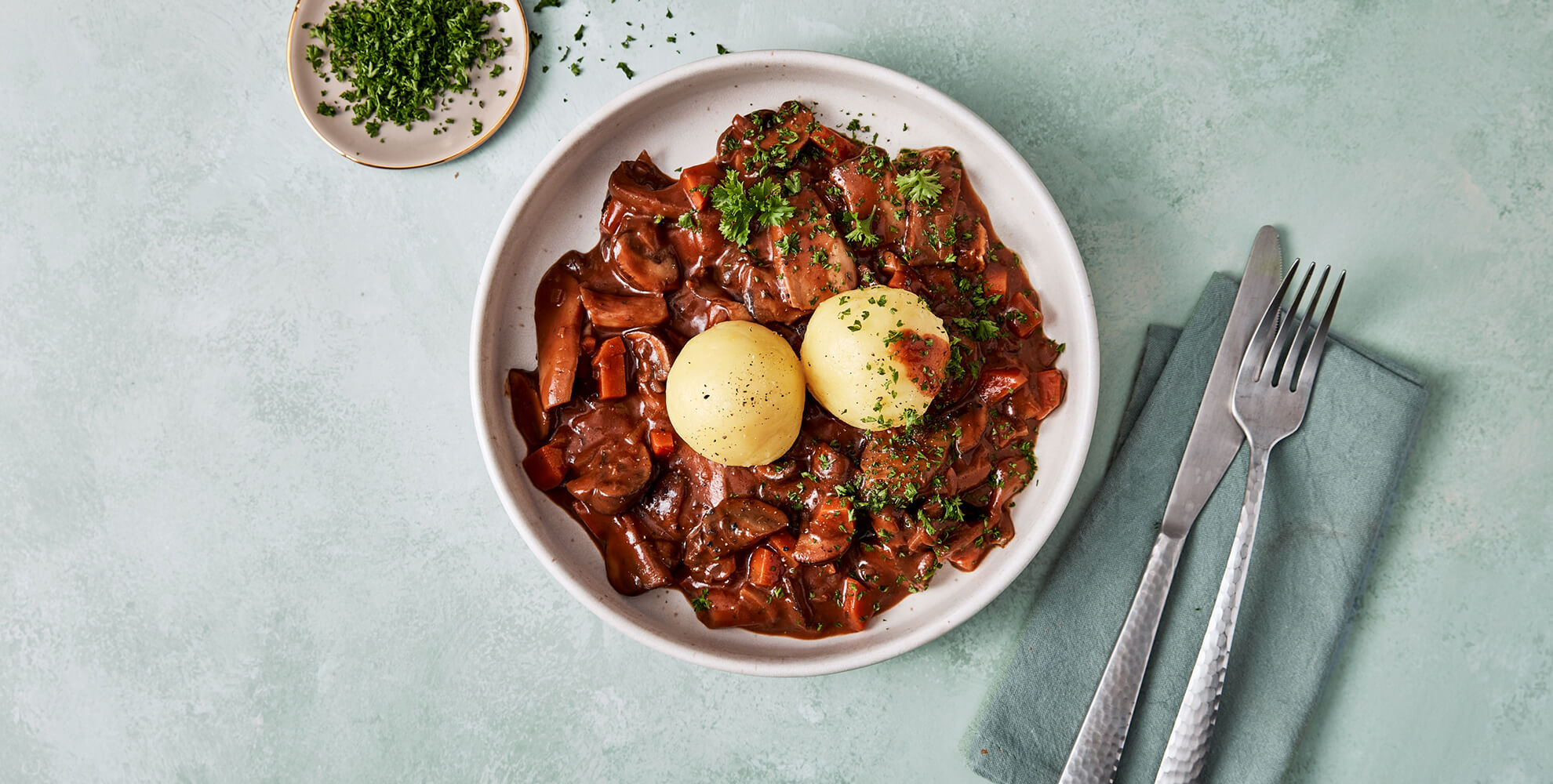
65 min.
Mittel
Vegan
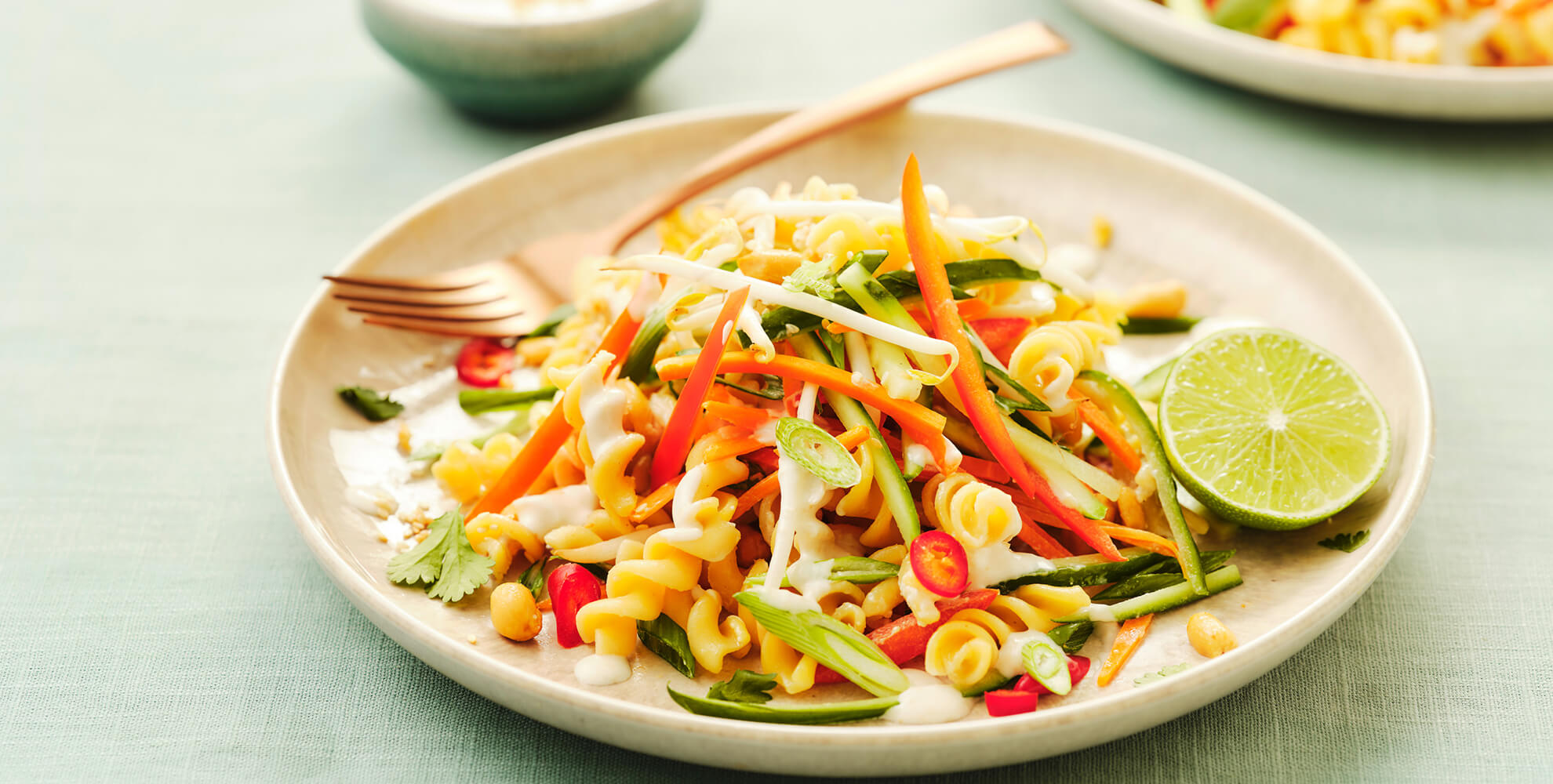
30 min.
Leicht
Vegan
Sweet indulgence without compromise: vegan baking recipes
Guaranteed sweet indulgence without compromise! Try our delicious recipes for moist cakes, crispy cookies and heavenly desserts – all purely plant-based. Have fun baking!
15 min.
Leicht
Vegetarian
15 min.
Mittel
Vegetarian
60 min.
Mittel
Vegetarian
30 min.
Mittel
Vegetarian
20 min.
Mittel
Vegan
40 min.
Mittel
Vegan
5 min.
Leicht
Vegetarian
40 min.
Mittel
Vegetarian
30 min.
Mittel
Vegetarian
20 min.
Leicht
Vegetarian
35 min.
Mittel
Vegetarian
35 min.
Leicht
Vegan
50 min.
Leicht
Vegan
20 min.
Mittel
Vegan
80 min.
Schwer
Vegan
35 min.
Leicht
Vegan
45 min.
Mittel
Vegan
50 min.
Leicht
Vegan
65 min.
Mittel
Vegan
30 min.
Leicht
Vegan

30 min.
Mittel
Vegan
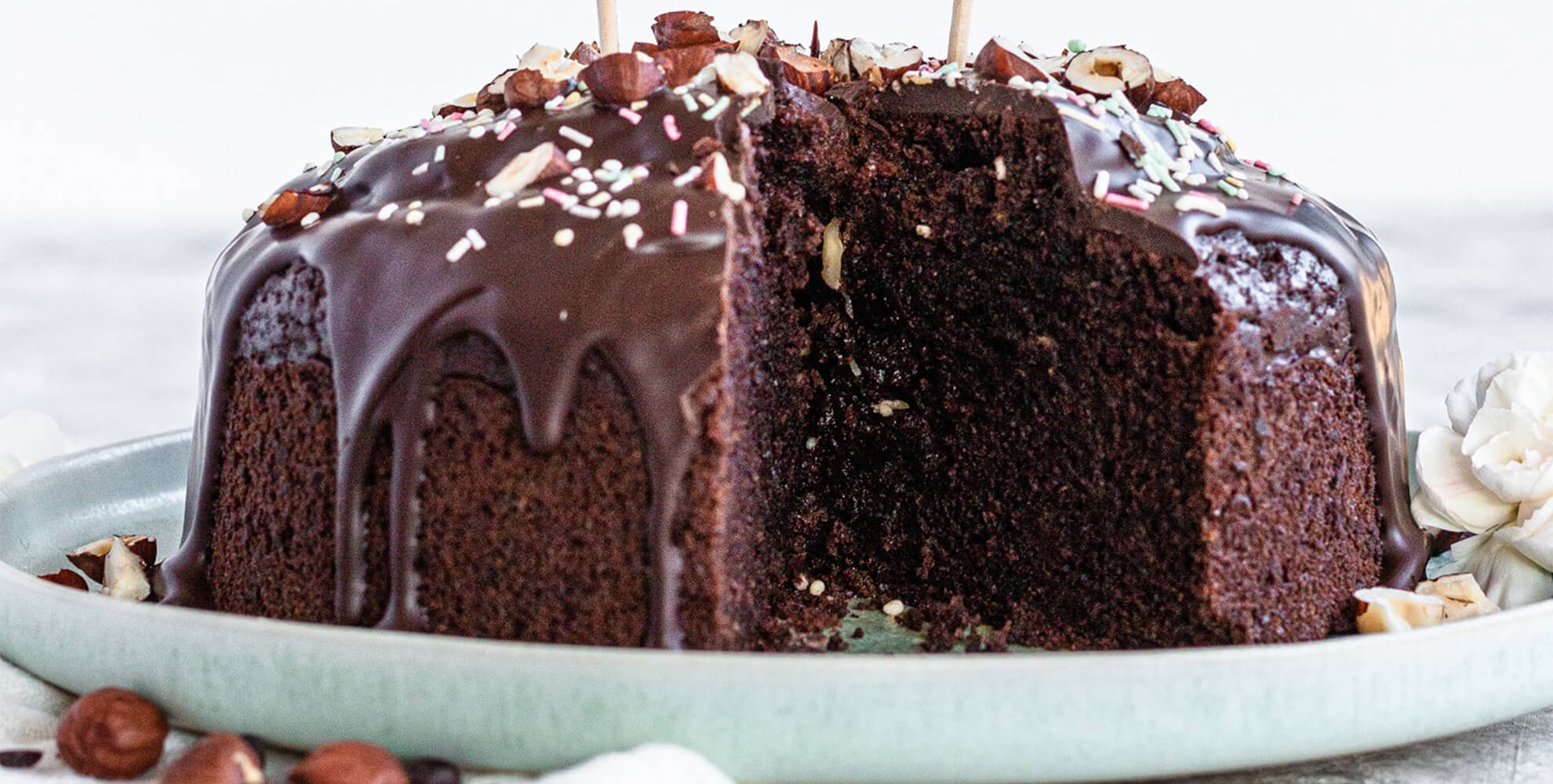
60 min.
Leicht
Vegan

15 min.
Leicht
Vegan
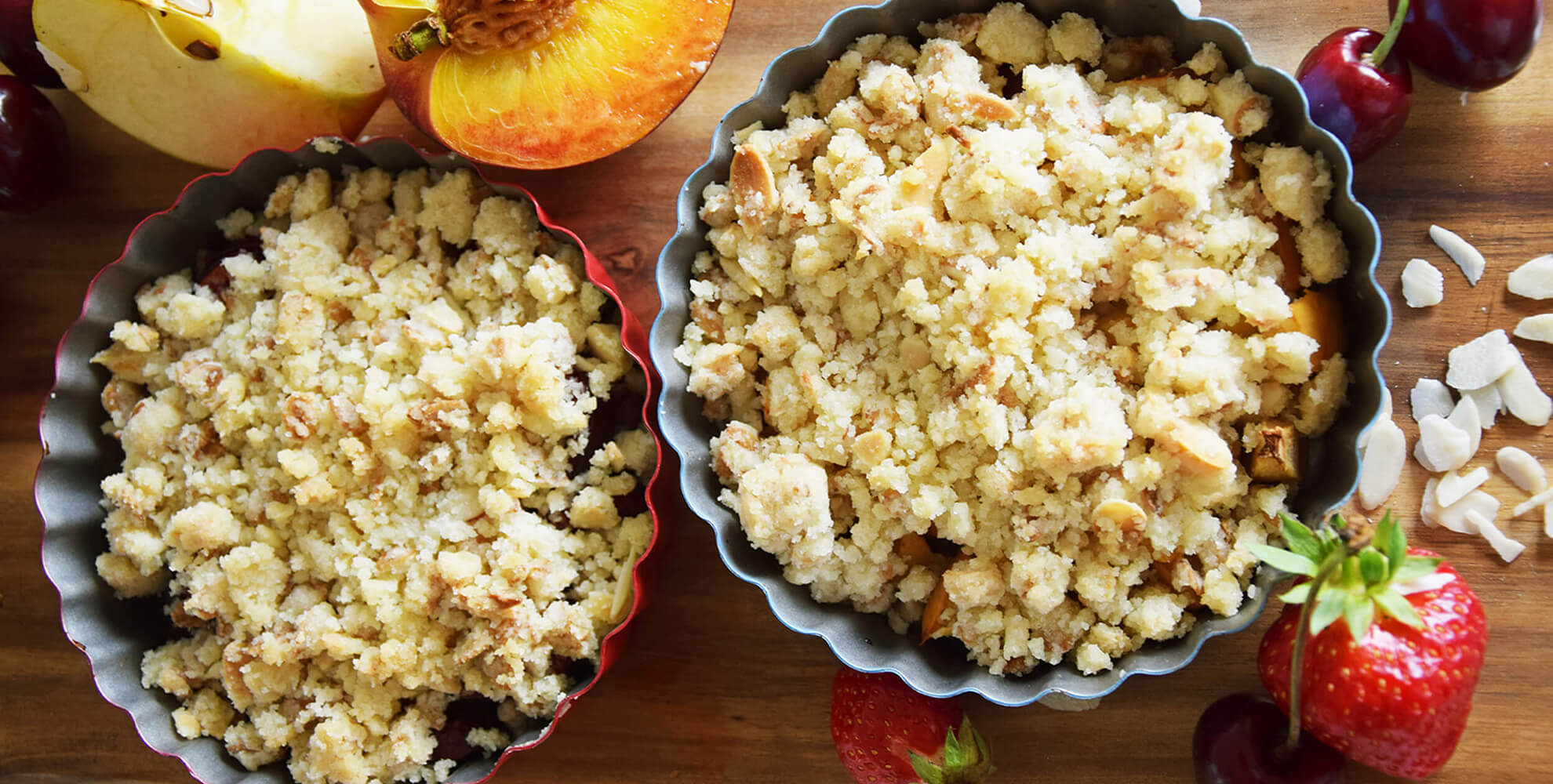
40 min.
Leicht
Vegan

20 min.
Mittel
Vegetarian
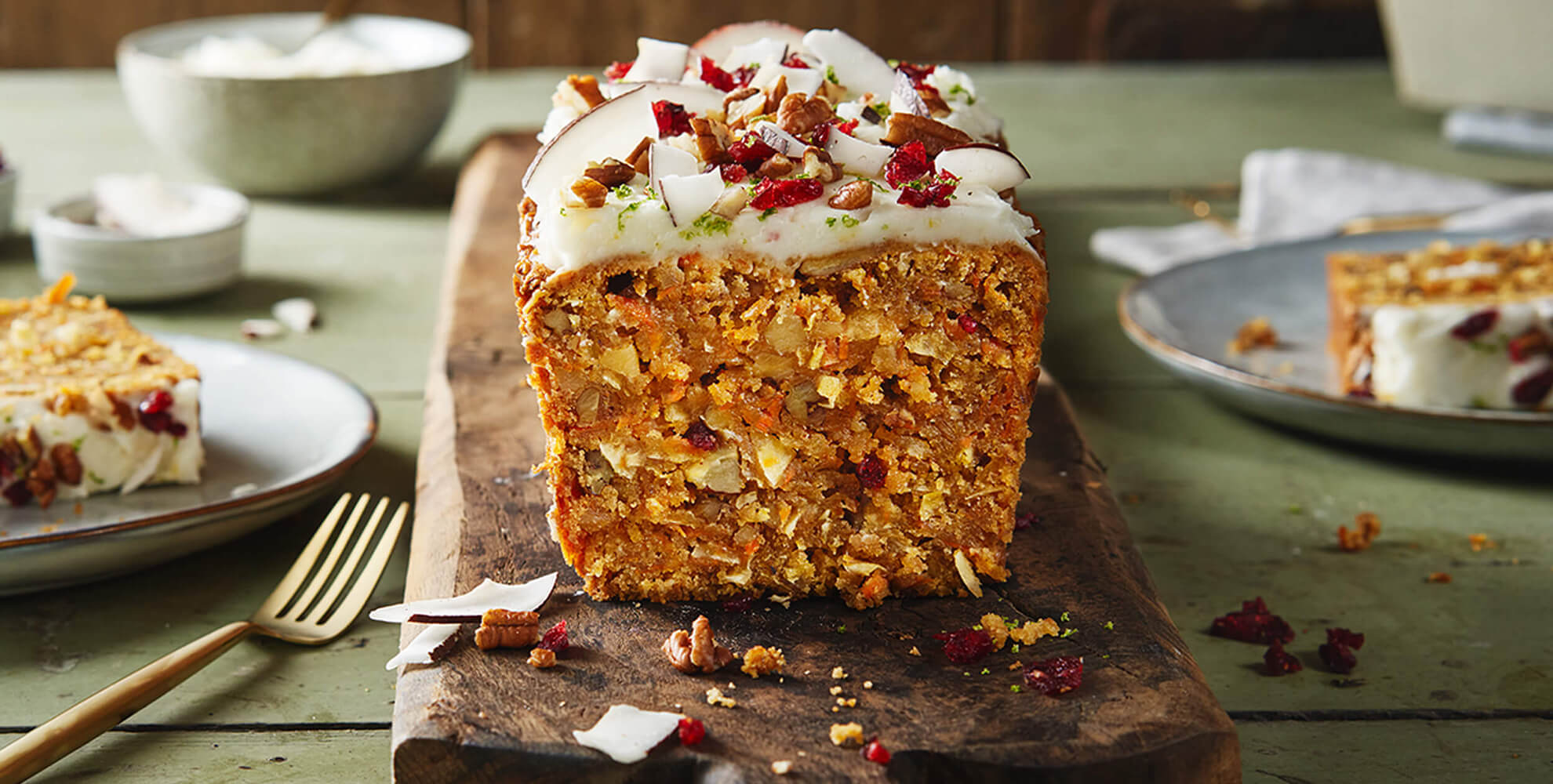
100 min.
Mittel
Vegan
Award for top quality
Award for top quality
Our rapeseed frying oil once again named Best Organic 2025
Our rapeseed frying oil has once again been named “Best Organic 2025” by Schrot & Korn, having already received this honor in 2021. It is now the seventh year in a row that we have received this prestigious award for our organic products. The quality of the frying oil is characterized by its heat stability and mild taste – ideal for health-conscious connoisseurs.

“We are delighted that our rapeseed frying oil has once again won the trust of the expert jury. This award confirms the positive feedback from our customers. We are particularly proud that the product is so highly regarded not only for its excellent frying properties, but also for its nutritional benefits,” says Stephanie Moßbacher, Managing Director of Byodo Naturkost.
In the picture: Marketing Managers Veronika Reichardt and Christina Brenninger are delighted to receive the award at the award ceremony in Aschaffenburg.
Known as the “pioneer for organic enjoyment”, we have set another milestone in our frying oil range with rapeseed frying oil. Made from carefully selected organic rapeseed, it is processed particularly gently using the innovative Byo-Protect® process. This removes heat-sensitive plant substances so that the oil can be heated to a high temperature while retaining valuable ingredients. The result is a mild and versatile organic frying oil for health-conscious connoisseurs.
Â
About rapeseed frying oilWe are delighted that our rapeseed frying oil has once again been named “Best Organic”! This great feedback confirms our commitment to the highest quality and enjoyment from 100% organic ingredients. A big thank you to everyone who supports us!
About our rapeseed frying oil
Rapeseed frying oil is suitable for use at high temperatures, such as for frying, marinating or grilling. We recommend our classic baking oil for baking moist cakes.
The Byo-Protect® process is a unique, natural 3-phase process that makes our frying oils highly heatable while retaining valuable ingredients. Heat-sensitive plant substances are gently and naturally removed from the oil. The result is an oil that is not only particularly stable at high temperatures, but also impresses with a wide range of flavors – from mild to delicately nutty.
Yes, Byodo rapeseed frying oil is suitable for deep-frying. Thanks to the Byo-Protect® process, it has a high smoke point, which makes it ideal for high temperatures. It remains mild in taste and is versatile for various cooking applications such as frying, grilling or deep-frying.
This might also interest you


Product knowledge: Mustard
Mustard – one of the oldest spices in the world – has been enriching our cuisine for thousands of years.
From ancient Rome to modern gourmet cuisine, this condiment has come an impressive way. Today, mustard can be found in countless varieties and flavors – from mild and sweet to spicy and hot. We take you on a journey from the mustard seed to the finished mustard sauce. Find out how versatile mustard is as a condiment and why it is much more than a simple accompaniment.

What is mustard?
Mustard is a paste made from ground mustard seeds, usually spicy and hot, which is used as a condiment for various dishes. It is available in different varieties and colors and is often refined with ingredients such as vinegar, water or salt.
Â
Where does mustard come from?
The roots of mustard go far back into history. Originally, the mustard plant comes from the warm regions of Asia and the Mediterranean. There it was discovered and cultivated as a medicinal and spice plant. The Romans, who particularly mastered the art of seasoning, brought the mustard plant to Europe and cultivated it mainly in the areas that are now France and Italy. Mustard became particularly popular in France in the Middle Ages, where it became a staple spice in many cuisines. Dijon in particular developed into the center of mustard production, and even today “Dijon mustard” stands for one of the finest mustard varieties in the world. Mustard has experienced a renaissance in modern cuisine! The variety of types and flavors, from coarse-grained, mild to sweet to extra hot mustard, has made it a firm favorite not only in gourmet cuisine, but also in everyday life.
Mustard varieties – what’s the difference?
Mustard seeds have their very own character depending on the variety. The three main types are white or yellow mustard, brown mustard and black mustard. Each variety brings different levels of spiciness to the kitchen and is suitable for very different uses depending on preference and recipe.


Did you already know …?

Mustard for every taste
Mustard comes in countless variations, from mild to fiery hot, from classic to fruity. All are made from basic varieties such as white, brown or black mustard. Each of these varieties develops unique flavors thanks to their specific preparation and additional ingredients. The different mustard varieties enrich every dish and can be used in a variety of ways.

Our tip: Goes well with cheese, cold meat and sausage. Also delicious in a salad dressing or with baked potatoes! To the sweet mustard

Our tip: Refines dressings, soups and fish and meat dishes! To the medium hot mustard

Our tip: Not only delicious on its own with sausage and cheese, but also in salads, dips and sauces! To the spicy mustard

Our tip:Ideal for vinaigrettes and sauces for fish and meat dishes and as a special touch in dressings for green salads. About the Dijon mustard

Our tip: add special flavors to fondue and raclette and your festive dishes! To the mustard sauces
Recipe inspiration with the Byodo mustard variety
Recipe inspiration with the Byodo mustard variety
When it comes to mustard, Byodo is an expert – the know-how we have gained over the decades can be found in all variations of our fine organic mustard. It enhances sauces and dressings and fits perfectly into delicious festive cuisine. Discover sophisticated recipe ideas to which our mustard adds a special touch and give your dishes an unmistakable taste – in 100% organic quality!
15 min.
Leicht
Vegetarian
15 min.
Mittel
Vegetarian
60 min.
Mittel
Vegetarian
30 min.
Mittel
Vegetarian
20 min.
Mittel
Vegan
40 min.
Mittel
Vegan
5 min.
Leicht
Vegetarian
40 min.
Mittel
Vegetarian
30 min.
Mittel
Vegetarian
20 min.
Leicht
Vegetarian
35 min.
Mittel
Vegetarian
35 min.
Leicht
Vegan
50 min.
Leicht
Vegan
20 min.
Mittel
Vegan
80 min.
Schwer
Vegan
35 min.
Leicht
Vegan
45 min.
Mittel
Vegan
50 min.
Leicht
Vegan
65 min.
Mittel
Vegan
30 min.
Leicht
Vegan
30 min.
Mittel
Vegan
60 min.
Leicht
Vegan
15 min.
Leicht
Vegan
40 min.
Leicht
Vegan
20 min.
Mittel
Vegetarian
100 min.
Mittel
Vegan

90 min.
Mittel
Vegetarian
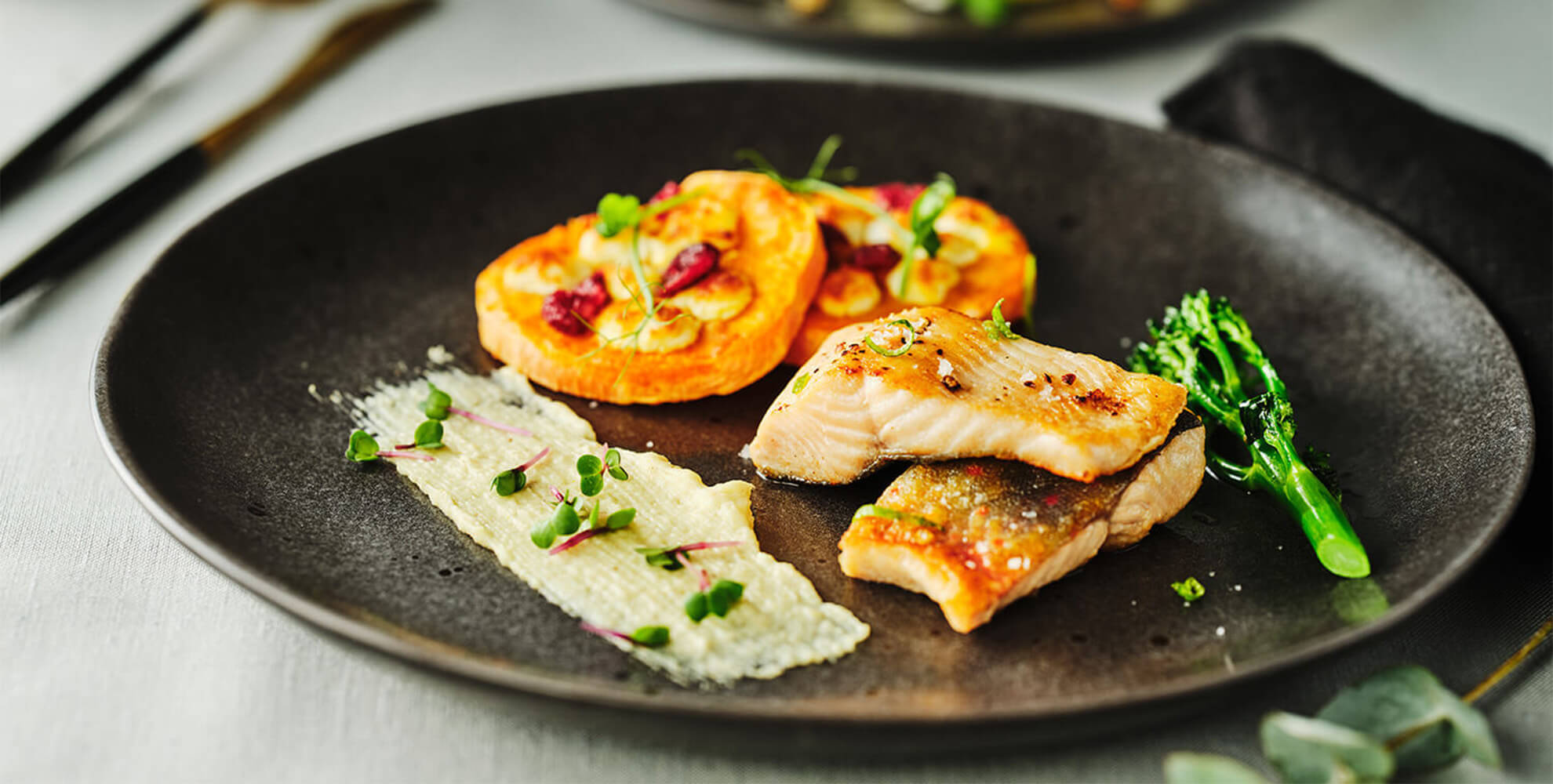
55 min.
Mittel
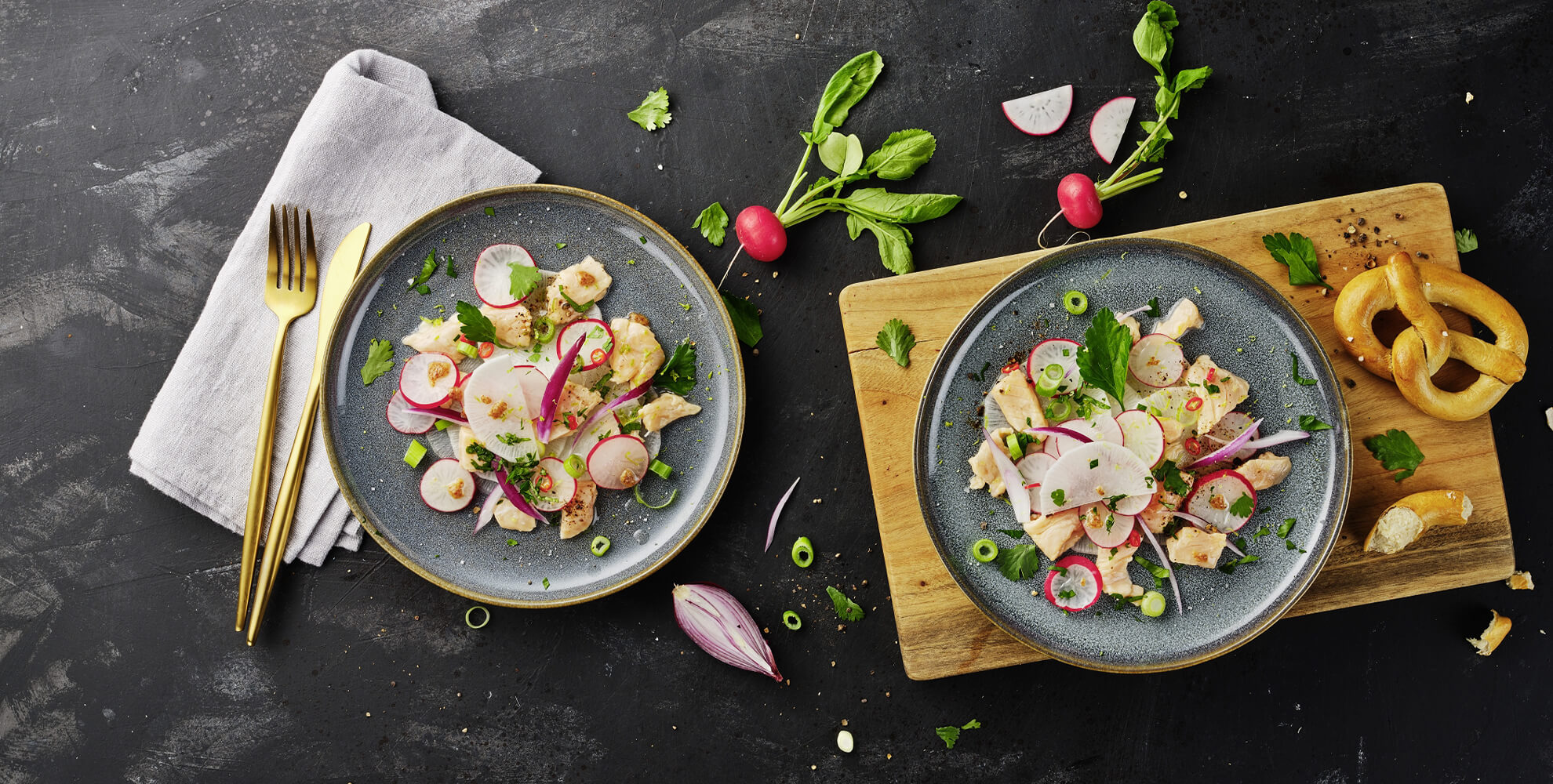
270 min.
Mittel
65 min.
Mittel
Vegan
This might also interest you

These are our nominees!
The application phase for our BIObegeistert funding has now been completed and we are delighted to present the 10 projects in total! Each of these projects presents itself here with its ideas and its commitment to sustainability and organic. Now it’s up to you to decide which project deserves your vote. The project with the most votes will receive a grant of up to €5,000 from Byodo! Second place will be rewarded with €3,000 and third place will receive €2,000.
Discover the inspiring ideas and use your voice to help make an important contribution to a more sustainable world.
Nominated projects:
Graslitzer Primary School
Project: The Grasi school chickens
You can find more detailed information about our project in the picture or the PDF for download.

Marlishausen daycare center
Project: Organic from the nursery garden
As part of our “Tip against heat” project, we offered a drinking station with water mixed with different types of fruit.
This was a welcome change and actually encouraged people to drink.
As it was so well received, we came up with the idea for a project.
Trellis fruit and berry stems are to be planted in the nursery garden with the children so that they can help themselves to the orchard next year and possibly pimp their own drinking water according to their mood.
This would require different types of fruit and berries, as well as natural fertilizers, gardening tools suitable for children and drinking water dispensers with fruit inserts.
Of course, it would be ideal if we had a harvest next year that the children could harvest themselves.
Marlishausen daycare center
Project: Organic from the nursery garden
As part of our “Spitze gegen Hitze” project, we offered a drinking station with water mixed with different types of fruit. This was a welcome change and actually encouraged the children to drink.
As this was so well received, the idea for a project was born. Trellis fruit and berry stems are to be planted in the nursery garden with the children so that next year they can help themselves to the orchard and possibly use it to spice up their own drinking water as the mood takes them.
This would require different types of fruit and berries, as well as natural fertilizers, gardening tools suitable for children, drinking water dispensers with designated fruit inserts.
Of course, it would be ideal if we had a harvest next year that the children could harvest themselves.
Weiß-Ferdl Middle School Altötting
Project: Ferdl for Future – Coming up with the chicken
Since the 2022/2023 school year, six chickens have been a permanent fixture at Weiß-Ferdl Middle School.
Why does a school keep chickens?
In recent years, we have noticed time and again that fewer and fewer children know where our food actually comes from. What better way to teach them about this topic than with our own chickens? By caring for the animals, we can help the children to make connections with nature and animals. Pupils are taught about the origins of food so that they are able to make conscious food choices themselves and perhaps even convince their own parents of this. By looking after the chickens, they learn to appreciate the value of organic products. They realize that organically produced products require an enormous amount of effort and therefore understand better why organic products are more expensive. The responsibility that comes with the daily care of the chickens teaches the children care and discipline. They take care of feeding them with high-quality organic feed, collect eggs, let the chickens run free and clean the coop regularly. Chickens also make perfect sense in terms of sustainability. We are always sorry when food ends up in the bin at school, but with the chickens we now have enthusiastic consumers. In addition, chickens are perfect for eliminating garden pests and producing nutrient-rich organic fertilizer for our school garden.
Teaching and organic nutrition
Our project also enables interdisciplinary teaching. For example, a protective house and additional perches have already been built for our chickens. It is particularly noteworthy that the pupils deal with the topic of organic nutrition in their lessons. This supports our efforts to teach the children about the importance of regional and organic products. The teachers of nutrition and social studies are also enthusiastic about the chickens, as they can integrate the topics of regionality and sustainability into their lessons in the best possible way. It should not be forgotten that animals can promote children’s social behavior. Animals have a positive influence, also on the children’s psyche.
Optimal conditions for the chickens
We want to make it as nice as possible for the chickens and already offer them far better living conditions than required by law. Nevertheless, we would be delighted if we could enlarge the enclosure with your help so that our feathered friends have even more space. Of course, the chickens can also live out their old age with us, as this is also part of species-appropriate animal husbandry.
Long-term project
Our project is long-term and not limited in time. We want the chickens to become an integral part of our school life in the distant future. The project does not end with the acquisition of the animals and their habitat. There are countless ways in which the project can be extended, for example through calculations, statistics or surveys in class. It would also be conceivable to visit organic farmers in the area to compare the way they keep their animals with ours.
What would we do with the money?
We would like to extend the chickens’ enclosure so that they have more space in the afternoon. To protect the chickens in their new enclosure against wind and weather, we would also like to buy a weather protection tarpaulin and an anti-frost blanket for the winter. We could also use the money to cover the running costs of keeping the chickens, such as feed and litter. As we also attach great importance to organic quality for these two items, this cost factor should not be underestimated. So that the chickens don’t get bored, especially at the weekend, we would like to get them an activity set. A stand and a second set of containers would be very practical so that the chickens also have access to water and food in their free run. As our organic eggs together with our school honey always make a good gift for special occasions, we would like to present them in a more appealing way and have therefore come across egg stamps.
St. Zeno Foundation; CAMINO children’s home
Project: Life on the farm
We have been a “One World Daycare Center – fair and global” for 6 years, with many small projects we want to make our children fit for the future of our world and agriculture, with its important task of feeding the world and preserving biodiversity, fits perfectly into our portfolio.
Around 20 children in our house aged 4 to 5 work on projects about life on the farm. We look at many farm animals, such as chickens, pigs and bees, and learn a lot from non-fiction books and educational videos. We also discuss why we keep these animals and what people expect from them. We will also discuss agriculture and the many machines that farmers need. We also want to give the children an understanding of farming in the past and today. Of course, we will also buy many agricultural products at the farmers’ market/ organic market and use them to make snacks, soup or cake.
“A healthy balanced snack” Focus on organic, regional and fair and with little waste
We also want to buy the food for our healthy breakfast at the farmers’ market and organic food store. We want to use a lot of creativity to make animals from agriculture and make lots of things out of packaging waste.
To save resources, we borrow lots of non-fiction books from the public library. We have already bought picture cards on the topic for the Kamischibai.
We also want to pick up on the farm theme in movement units, songs and finger plays. The children will also sow, tend and harvest vegetables and flowers in our 3 raised beds. It will be particularly exciting for the children when we hatch chicken eggs in the incubator and accompany them until the chicks hatch. Afterwards, the chicks are allowed to move into an outdoor enclosure at a colleague’s and are accompanied for a long time with videos and visits.
Finally, we want to take the bus to a farm together and experience it in reality. There are bus costs for the visit to the farm.
We would like to purchase farm animals for free playtime. To this end, we would like to buy animals from the Ostheimer company, which produces animals from wood in an inclusive workshop. A parents’ evening with a speaker will also take place.
The project period is in April/May 2025
Montessori children’s home
Project: Orchard meadow with bee colonies
This promotion is made for us, because organic is very important to us and we also want to teach the children who visit our Montessori children’s house values that can be better represented with organic, e.g. appreciation of people, animals and nature.
We buy our snacks, which the children prepare and serve at a buffet, from an organic food store.
Every week we spend a morning in an orchard, where we also harvest and process what we have harvested (e.g. apple juice). Naturally BIO!
Several bee colonies also live on this meadow orchard. Here we work together with organic beekeepers.
And … Of course, we also visit an organic farm every now and then or invite the organic farmer to our forest kindergarten to move wood with his horse.
Kneipp kindergarten “Wachbergknirpse”
Project: whole-grain-cereal-into-what-can-we-turn-it-into
We are the “Wachbergknirpse” kindergarten from Brattendorf in beautiful Thuringia.
Our kindergarten is a certified “Kneipp kindergarten” in the middle of the countryside. There are 5 Kneipp pillars of the “Kneipp teachings”. Our educational concept is based on them and, above all, we live by them.
The 5 pillars are: Water, exercise, order of life, herbs and nutrition.
It is therefore a natural and very important part of our educational work to introduce the pillar of nutrition and therefore healthy food – preferably organic – to the children in a playful and life-related way that is educationally valuable and sustainable. We have long wanted to implement the BIO project described below with the Wachbergknirpsen. Unfortunately, however, we do not yet have the equipment or the financial means to procure it.
With the project
“VOLL-KORN-GETREIDE-IN-WAS-KÖNEN-WIR-ES-VERWANDELN”, which is close to our hearts, we want to inspire our kindergarten children for a healthy organic lifestyle and hopefully continue and maintain the things they have learned with their help in our facility in the future.
The educational areas of our Thuringian education plan (according to which we work) are also fulfilled with this project. These are, for example, the following educational areas: scientific education, language education, mathematical education, musical education, physical and mental health education. For our “VOLL-KORN-GETREIDE-IN-WAS-KÖNNEN-WIR-ES-VERWANDELN” project, we have the following ideas and need the following things:
What types of grain are there?
Implementation?
- Hike and get to know cultivated grain fields in the surrounding area
- Experience visit to an organic farmer with an organic store in the village of Neida near Bad Rodach, guided tour of the organic store and bakery, bottling and purchase of the harvested grains (spelt, rye, oats) in organic quality
- Getting to know old varieties such as emmer…
- How was grain milled and baked in the past?
Visit an old mill that is still in working order at the nearby Vessra Monastery Museum - From grain to bread – how do we grind and bake today?
Visit to a baker and his bakery in the neighboring village of Crock - We grind the grain ourselves in the kindergarten with the new grain mill
- We make sourdough and bake bread. Our home-made bread dough is baked in a real bakery and on the “DENKplatte”: In cooperation with the local heritage association, we bake the bread dough in the large bakehouse
- In the future, bread dough will be baked on Denk’s baking plate (bread size for 2 groups). These will be baked regularly and eaten at the healthy breakfast
- We invite the baker to our kindergarten and he also bakes cakes and other treats with us from our grain
- Regular muesli breakfast with our own flakes
Flakes are flaked and soaked the day before - A dream: baking in our new wood-fired oven
We bake in it regularly, using our own dough made from freshly ground organic grain from the farmer in organic quality
This is not a complete list of ideas, which may grow over time, as well as the children who will be able to help shape and hopefully experience this new BIO project.
Theodor Heuss Community School
Project: Theos Wiese – Sustainable and meaningful learning outdoors in and with nature
Our profile at the Theodor-Heuss-Gemeinschaftsschule is called “Theos Wiese”. Our aim is to learn outside in and with nature as sustainably and meaningfully as possible with the pupils from the 5th and 6th year profile classes. Our chickens, guinea pigs, sheep, goats and bees help us to achieve this, but the meadow and garden also make a major contribution to creating experiences of nature.
We would like to start a new gardening year with the children next spring and prepare and eat the harvest of our efforts in the summer ourselves, but also offer some of it for sale.
The planning and implementation are a lot of fun, but of course it also costs a lot of money: organic seeds and seedlings, the maintenance and purchase of new tools, the commissioning of a water supply in the garden, but also a cargo bike to be able to offer our harvested fruit and vegetables at the weekly market, among other things.
Radis & Bona cooperative store
Project: Sustainable nutrition with all senses
As the BuenaVita e.V. association, we would like to apply for funding for our educational project “Sustainable nutrition with all senses”, which we are carrying out in the organic regional cooperative store in Regensburg.
We noticed in your promotion that the institutions can actually apply, i.e. kindergartens and schools. However, as we are aware of their time constraints, we are taking the initiative ourselves.
For example, the kindergarten next door to the store visited us three times during this year’s project, each time with a different age group, and we adapted our program to the age group in each case. We would like to continue the project and, for example, taste or prepare even more fruit and vegetables from the store with the older children. This would require equipment with boards or small knives or a table and bench.
Even purely voluntary educational work reaches its limits when it is well received and demand increases. This also requires financial compensation, which is usually not available in these facilities.
We would therefore be delighted if you could support our educational project on the topic of “Sustainable nutrition with all senses”.
Â
Current offers
These offers are handled by the association “BuenaVita” e.V. and have so far been carried out in the Radis&Bona cooperative store.
We offer various modules for schools and day-care centers depending on the age group and objectives of the teachers:
- e.G. – what is it and why was this legal form chosen?
- The “regional value chain” R&B store
- What does sustainability and the assessment of food mean from this point of view – practically implemented with a purchase
- Sustainability in purchasing from various perspectives – including healthy eating
- Climate-friendly purchasing
- What does “organic production and processing” mean?
- Get to know and assess different organic labels
- Recognize and name foods – Match price tags to fresh products
- Regional food in our store and the distances in kilometers
- Seasonal foods and their importance
- When is food unsustainable and how do we deal with it?
- Packaging and deposit systems
Â
Also offers for kindergartens:
Kindergarten attendance – preschool group
Duration max. 60 min. at best from 9.00 to 10.00
Â
Possibilities:
- Set up fruit and vegetables together with the children and name them Illustrate the region: see “Radieserl-Film” on our homepage – Match pictures of our producers to the products, place them on the district map, what is near, what is far away
- Exploring the fruit or vegetable corner with the children:
- What is your favorite vegetable (fruit)? What is good about it? Collect your favorite vegetables in the shopping basket
- What don’t you like at all? Why?
- What don’t you know? Collecting a basket of unknown vegetables
Â
Arrange the favorite vegetables from the basket on a table and name them again.
What do you cook with it?
Clarify allergies, blind tasting of prepared vegetables, if you like.
Â
Place the unknown vegetable next to it on the table and name it.
Taste it, if you like.
Game: I know something you don’t know and that is …
- Explore fruit corner as soon as there is more regional fruit, e.g. strawberries – feel, smell, describe, taste
- Spring: Feeling game with potatoes: and potatoes with sprouts – differences, why do potatoes do this? What do potatoes need to grow? Pot to put sprouted potatoes in, supplement with pictures, take sprouted potatoes back to the kindergarten for further observation and planting.
- Beginning of May – exploration with runner beans/feeling game – plant runner beans and observe over 1 – 2 weeks in the kindergarten, either in the kindergarten as a bean tippi or in front of the store at the entrance
- Eggs: Describe the product as a riddle – or also a feeling game with an egg – place it very carefully in the nest of hands and handle it with care – tell children what they know about eggs and chickens. Supplement with pictures of our chicken farmer and let the children talk about it.
Luzenberg youth club
Project: Urban gardening on the roof terrace of the youth club
As part of our urban gardening project, we want to offer young people the opportunity to actively engage with the topics of organic and sustainable agriculture. We have already created raised beds on our spacious roof terrace, which offer ideal conditions for growing organic fruit, vegetables and herbs together.
The project has several objectives: It aims to provide young people with basic knowledge about organic farming methods and sustainable nutrition, teach them manual skills and at the same time raise awareness of the importance of protecting the environment and conserving resources. Through direct contact with nature and growing their own food, participants learn to appreciate the cycles of nature and are given the opportunity to take responsibility.
The Luzenberg district is one of the socially and structurally weakest in Mannheim. With the youth center, which opened in summer 2024, youth work finally has a permanent location in the district. The youth center is visited by an average of around 30 children and young people every day and we are constantly working on new activities and projects. Unfortunately, our budget for this is limited, which is why we would like to apply for funding from Byodo.
Â
Sustainability aspects:
Our method of urban gardening is based on organic cultivation principles. We only use organic fertilizers and do not use pesticides. We also attach great importance to the resource-conserving use of water and the use of recycled materials to maintain the raised beds. The project offers young people a practical alternative to industrial farming models and at the same time contributes to the greening of urban spaces.
Â
Aims of the project:
Imparting knowledge: Young people are taught about organic farming and sustainable nutrition.
Promotion of environmental awareness: Young people develop an understanding of ecological relationships and environmental protection.
Strengthening the community: gardening together promotes teamwork and social skills.
Promoting a healthy lifestyle: By growing their own food, participants consciously engage with healthy eating.
Â
Project requirements:
For successful implementation, we need support in the form of organic seeds, organic fertilizers and gardening tools. Further training for our project managers in the field of sustainable agriculture would also be of great benefit. For planting and maintenance, we need knowledgeable people who can support us. We are thinking of cooperating with a local nursery.
ASB day care center Cuxhofwichtel
Project: More “organic” in our kindergarten
We are a kindergarten in the beautiful town of Mihla, which is located right next to the Hainich National Park and the Werra river. Our principle is: “Every child is unique and we meet them where they are.” Nature plays a major role in our pedagogy, as does a balanced organic diet.
We include it in our concept as full meals for our children. The aim of our nutritional education work is to enable children to take responsibility for their own eating and drinking habits. This includes the development of a sense of hunger and thirst, taste and sensory training, knowledge of hygiene and responsible handling of food. Furthermore, organic products from our own production are offered at mealtimes. We have several raised beds, which the children cultivate together with the teachers. Our snack corner with raspberries, currants and gooseberries is particularly popular. There are also some fruit trees in the outdoor area, which complete our meals with fruit after the harvest.
Behind the kindergarten building lives our little family of chickens, who surprise us with eggs almost every day. The awareness of caring for the animals is something we live out in our kindergarten together with the parents, who take over the chicken duty with their children at the weekend. In order to provide the chicken family with organic food, we have entered into a cooperation with the local agricultural company, which has an organic certificate. They provide us with the feed and give the children an insight into organic farming. For example, there will soon be an excursion focusing on the shepherd and his flock of sheep. This form of landscape conservation is particularly ecological and brings the children closer to nature and animals. Our partner has purchased a special mower for mowing meadows, a double-knife cutter bar with a high-cutting camber, in order to mow the meadows more gently and thus keep them attractive for insects and not deprive them of their food source. We want to take a closer look at the machines during our visit to the farm. Our project “Hainich predators meet ecology – we explore the LMU – Mila agricultural enterprise” will continue into the fall. At the end, we want to celebrate a harvest thanksgiving party.
Vote for your reader favorite 2025!
Raspberry vinegar and Styrian pumpkin seed oil from Byodo are nominated!
The organic food magazines EVE and NATÜRLICH are once again giving you the chance to vote for your favorite organic products! Which delicacies can you not resist? Vote for your favorites until 20.10.2024 and, with a little luck, win prizes with a total value of over €3,000.
Â
Our Byodo products are also nominated:

In the vote for readers’ favorite 2025 in eve magazine, we are sending our raspberry vinegar into the race. The natural raspberry vinegar not only tastes great with fresh leaf salads, but is also particularly suitable for refining game and lamb dishes or for preparing chutneys and sweet and sour fruits. The use of pure direct juice from sun-ripened raspberries gives the raspberry vinegar its authentic fine berry flavor.
Are you also enthusiastic about the unique, fruity raspberry flavor? Then we look forward to seeing you in the readers’ favorite 2025 for our natural raspberry vinegar.
Vote for the raspberry vinegar now
The magazine natürlich features our tried and tested Styrian pumpkin seed oil PGI for the readers’ favorite 2025 nominated. Styrian pumpkin seed oil PGI impresses with a strong, nutty taste and a deep green color – because with this oil, good taste shows color! The addition PGI stands for “protected geographical indication” and guarantees the traditional production of the fine oil in the Styrian region. In terms of taste, pumpkin seed oil is ideal for green salads. However, it also refines soups or sauces and enhances sweet desserts.
If you are impressed by the taste of our pumpkin seed oil, then we look forward to your vote in the Readers’ Favorite 2025.
Vote for the pumpkin seed oil nowWe are excited to find out which products should not be missing in your shopping basket and look forward to your vote for our raspberry vinegar and Styrian pumpkin seed oil!
This might also interest you

The vinegar mother: a sign of naturalness in vinegar
Thanks to its high acidity, vinegar has a natural preservative effect, which is why it generally does not spoil and does not need a best-before date. Byodo vinegars also do not need a best-before date, as they have an unlimited shelf life. However, clouding and a so-called “vinegar mother” can develop over time. But what exactly is this all about? And does this mean that the vinegar is no longer edible?
What is a vinegar mother?
A vinegar mother is a collection of acetic acid bacteria.
These bacteria convert alcohol into acetic acid, resulting in vinegar.
Due to its natural state, acetic acid bacteria remain active in our balsamic vinegars and vinegars.
Over time, they can also visibly re-form and then appear as a “mother of vinegar”.
A mother of vinegar can appear in various forms, such as streaks, dots, deposits such as sediment or cloudiness.
The formation of the mother of vinegar can be promoted by various factors such as light, heat or oxygen supply. Â
I have discovered a vinegar nut.
Is the vinegar now spoiled?
No.
The formation of a mother of vinegar is a natural process and not a sign of a spoiled product!
Although the vinegar mother may look a little unappetizing, it is in no way dangerous.
On the contrary, its presence shows that the vinegar is a natural, untreated and living process.
The vinegar mother does not represent a loss of quality and has no negative influence on the taste or shelf life of vinegar.
On the contrary: it underlines the high organic quality of our vinegar! Â
Can the formation of a mother of vinegar be prevented?
Yes, the formation of a vinegar can be prevented to a certain extent, but it is important to understand why it occurs in the first place.
Vinegar bacteria can be found practically everywhere – on the grapes, in the wooden barrels, on the corks and even on dust particles in the air.
In conventional vinegar production, these bacteria are often controlled by adding sulphur or antioxidants to prevent them from spreading and subsequently forming a vinegar mother.
At Byodo, we deliberately use the highest quality raw materials in our vinegar production and do not use any additives such as sulphur, artificial flavors or colorants.
To preserve the vinegar’s valuable ingredients, we do not pasteurize them.
This leaves the vinegar completely natural, which means that a vinegar mother can form under the influence of certain factors, such as contact with air, light or heat.
Nevertheless, you can prevent the likelihood of mother formation by storing the vinegar in a targeted manner:
- Seal airtight
- Store in a cool and dark place
- Choose smaller quantities
Despite these measures, it is still possible for a mother of vinegar to form in natural vinegars, as these products contain living organisms. Â
What can I do with a vinegar mother?
If you discover a vinegar nut in your vinegar, you can either remove it and continue using the vinegar as usual or even use it to make your own vinegar.
If you want to remove the mother of vinegar, you can carefully lift it out with a clean spoon.
Alternatively, you can pour the vinegar through a fine-mesh sieve or a piece of cheesecloth to filter out the vinegar mother.
The presence of small remnants of the mother of vinegar does not affect the quality and taste of the vinegar in any way.

What is a vinegar mother?
A vinegar mother is a collection of acetic acid bacteria. These bacteria convert alcohol into acetic acid, resulting in vinegar. Due to its natural state, acetic acid bacteria remain active in our balsamic vinegars and vinegars. Over time, they can also visibly re-form and then appear as a “mother of vinegar”. A mother of vinegar can appear in various forms, such as streaks, dots, deposits such as sediment or cloudiness. The formation of the mother of vinegar can be promoted by various factors such as light, heat or oxygen supply.
Â
I have discovered a vinegar nut. Is the vinegar now spoiled?
No. The formation of a mother of vinegar is a natural process and not a sign of a spoiled product! Although the vinegar mother may look a little unappetizing, it is in no way dangerous. On the contrary, its presence shows that the vinegar is a natural, untreated and living process. The vinegar mother does not represent a loss of quality and has no negative influence on the taste or shelf life of vinegar. On the contrary: it underlines the high organic quality of our vinegar!
Â
Can the formation of a mother of vinegar be prevented?
Yes, the formation of a mother of vinegar can be prevented to a certain extent, but it is important to understand why it occurs in the first place. Vinegar bacteria can be found practically everywhere – on the grapes, in the wooden barrels, on the corks and even on dust particles in the air. In conventional vinegar production, these bacteria are often controlled by adding sulphur or antioxidants to prevent their proliferation and the subsequent formation of a vinegar mother.
At Byodo, we deliberately use the highest quality raw materials in our vinegar production and completely avoid additives such as sulphur, artificial flavors or colorings. To preserve the vinegar’s valuable ingredients, we do not pasteurize them. This leaves the vinegar completely natural, which means that a vinegar mother can form under the influence of certain factors, such as contact with air, light or heat.
Nevertheless, you can prevent the probability of mother formation by storing the vinegar in a targeted manner:
- Seal airtight
- Store in a cool and dark place
- Choose smaller quantities
Despite these measures, it is still possible for a mother of vinegar to form in natural vinegars, as these products contain living organisms.
Â
What can I do with a vinegar mother?
If you discover a vinegar nut in your vinegar, you can either remove it and continue using the vinegar as usual or even use it to make your own vinegar. If you want to remove the mother of vinegar, you can carefully lift it out with a clean spoon. Alternatively, you can pour the vinegar through a fine-mesh sieve or a piece of cheesecloth to filter out the vinegar mother. The presence of small remnants of the mother of vinegar does not affect the quality and taste of the vinegar in any way.
This might also interest you

Discover our vinegar variety
Â
Byodo vinegars enrich your kitchen with a delicious variety. Experience fruity, tangy and spicy flavors that give your dishes that certain something. Thanks to our careful and gentle production, we guarantee natural quality in every drop!
Â
To our vinegarsThis might also interest you
Your summer starts with the right vinegar. This week only: Combine 2 favorite varieties now & save 10%*!

*Promotion is valid from 23.06.-30.06.2025. The discount is automatically deducted in the shopping cart when purchasing 2 vinegars from the categories “Vinegar classics�, “Fruity balsamic vinegars� and “Italian balsamic vinegar & balsamic vinegar�. Promotion does not apply to vinegars from the CateringLine and already discounted branded vinegars.
Vinegar quality differences at a glance
Organic vs. conventional
Vinegar is an integral part of our kitchens – whether for seasoning, pickling or refining dishes. But not all vinegars are the same. Especially when it comes to choosing between organic vinegar and conventional vinegar, there can be considerable differences in quality, taste and production. But what makes organic vinegar different? What are the differences compared to conventional vinegar? And which vinegar is suitable for which dish?
What makes organic vinegar?
Organic vinegars generally have a deeper and stronger flavor than conventional vinegars. This is not only due to the high-quality raw materials, but above all to the gentle processing and longer maturation.
- High-quality raw materials from controlled organic cultivation
- No use of chemical pesticides or synthetic fertilizers
- Gentle fermentation process
- Smaller batches & longer maturation to give the vinegar time to develop its full flavor
- More intense and complex flavor than conventional vinegar

Special features of Byodo vinegars
In addition to the 100% finest organic ingredients, Byodo vinegars are characterized by their naturalness . The vinegars are not heated or sulphurized during production, which preserves valuable enzymes and flavours. This ensures a more intense taste. Due to their natural state, the acetic acid bacteria in our balsamic vinegars and vinegars remain active, which can also visibly re-form and then appear as a so-called“vinegar mother“. Our vinegars are produced carefully, gently and as naturally as possible.
To our organic vinegarsConventional vinegar in comparison
In contrast to organic vinegar, conventional vinegar is usually produced industrially in large quantities. The focus here is on efficiency and mass production, which makes it a cheaper product compared to organic vinegar.
For example, chemical pesticides and fertilizers are used in the raw materials of conventional vinegar, which is why the starting product is not as high-quality as organic vinegar. As a result, conventional vinegar also has a less intense taste.
The faces of vinegar
Which vinegar is suitable for which dish?
Vinegar is an incredibly versatile condiment that has many uses in the kitchen. However, with so many different types of vinegar, it can be difficult to choose the right vinegar for a particular dish. We’ll show you which vinegar you need for what and which dishes you can round off perfectly with the right choice of our organic vinegars.
Do you know the difference between white wine vinegar and Condimento Bianco?
At first glance, they seem similar, but white wine vinegar and Condimento Bianco differ significantly in terms of both taste and production.
We’ll show you how.


Our tip: It is simply delicious on pieces of Parmesan as an aperitif! To the Invecchiato


The apple balsamic goes perfectly with salads with nuts or cheese as well as for refining savory chutneys. The intensely fruity pomegranate balsam can be used to refine oriental dishes, fruity salads or marinades. Thanks to its strong berry aroma, Raspberry Balsam is perfect for leaf salads, goat's cheese or desserts. The tangy Lemon Balsam is ideal for light summer salads, fish dishes or for refining Mediterranean dishes thanks to its fine lemon note.
Our insider tip:
Delicious refreshing drinks can also be conjured up with our balsamic vinegars! Simply add a dash of organic balsamic vinegar to a glass of water and refine and decorate with fruit as desired! To the fruity balsamic vinegars
Do you know the difference between white wine vinegar and Condimento Bianco?
At first glance, they seem similar, but white wine vinegar and Condimento Bianco differ significantly in terms of both taste and production. We’ll show you how.


Would you like to find out more about Byodo vinegars?
This might also interest you

Recipes & tips for preserving & pickling
Make summer last!
Canning and pickling are wonderful ways to preserve the rich harvest of summer and enjoy the taste of fresh fruit and vegetables all year round. High-quality Byodo vinegars and oils are the perfect way to preserve the intense flavors of summer. Whether sweet or savory – we’ll show you how to do it and what you should look out for.
What can be canned?
When it comes to what can be canned, the possibilities are almost endless. In principle, almost all types of fruit and vegetables are suitable for preserving.
- Firm vegetables such as beans, cucumbers, carrots, pumpkin, pearl onions or peppers are particularly suitable for the vinegar method.
- Antipasti vegetables such as onions, eggplants, zucchinis, mushrooms, tomatoes, olives or even fish (e.g. sardines) and herbs (pesto) can be excellently preserved in oil.
- Cheese, on the other hand, can be marinated in both oil and vinegar.
- Fruit is ideal for jams, compotes, jellies or chutneys.
There are no limits to creativity. Simply try out different types of fruit and vegetables and discover your favorite!
Â

How do I insert correctly?
Clean, germ-free jars and lids are crucial for a long shelf life of pickled food. To sterilize them, place the jars and lids in boiling water for about 10 minutes. Then remove with tongs and place on a kitchen towel with the opening facing downwards.
The fruit and vegetables must always be completely covered with the stock, vinegar or oil. Store the tightly closed jars in a cool, dark place. For the best taste, the pickled products should be left to mature for a few weeks.
Recipe ideas
Preserve freshly harvested fruit and vegetables from the garden with fine vinegars, oils and salt. Be inspired by our recipe ideas and capture the pleasure of summer in a glass!
15 min.
Leicht
Vegetarian
15 min.
Mittel
Vegetarian
60 min.
Mittel
Vegetarian
30 min.
Mittel
Vegetarian
20 min.
Mittel
Vegan
40 min.
Mittel
Vegan
5 min.
Leicht
Vegetarian
40 min.
Mittel
Vegetarian
30 min.
Mittel
Vegetarian
20 min.
Leicht
Vegetarian
35 min.
Mittel
Vegetarian
35 min.
Leicht
Vegan
50 min.
Leicht
Vegan
20 min.
Mittel
Vegan
80 min.
Schwer
Vegan
35 min.
Leicht
Vegan
45 min.
Mittel
Vegan
50 min.
Leicht
Vegan
65 min.
Mittel
Vegan
30 min.
Leicht
Vegan
30 min.
Mittel
Vegan
60 min.
Leicht
Vegan
15 min.
Leicht
Vegan
40 min.
Leicht
Vegan
20 min.
Mittel
Vegetarian
100 min.
Mittel
Vegan
90 min.
Mittel
Vegetarian
55 min.
Mittel
270 min.
Mittel
65 min.
Mittel
Vegan

30 min.
Mittel
Vegetarian
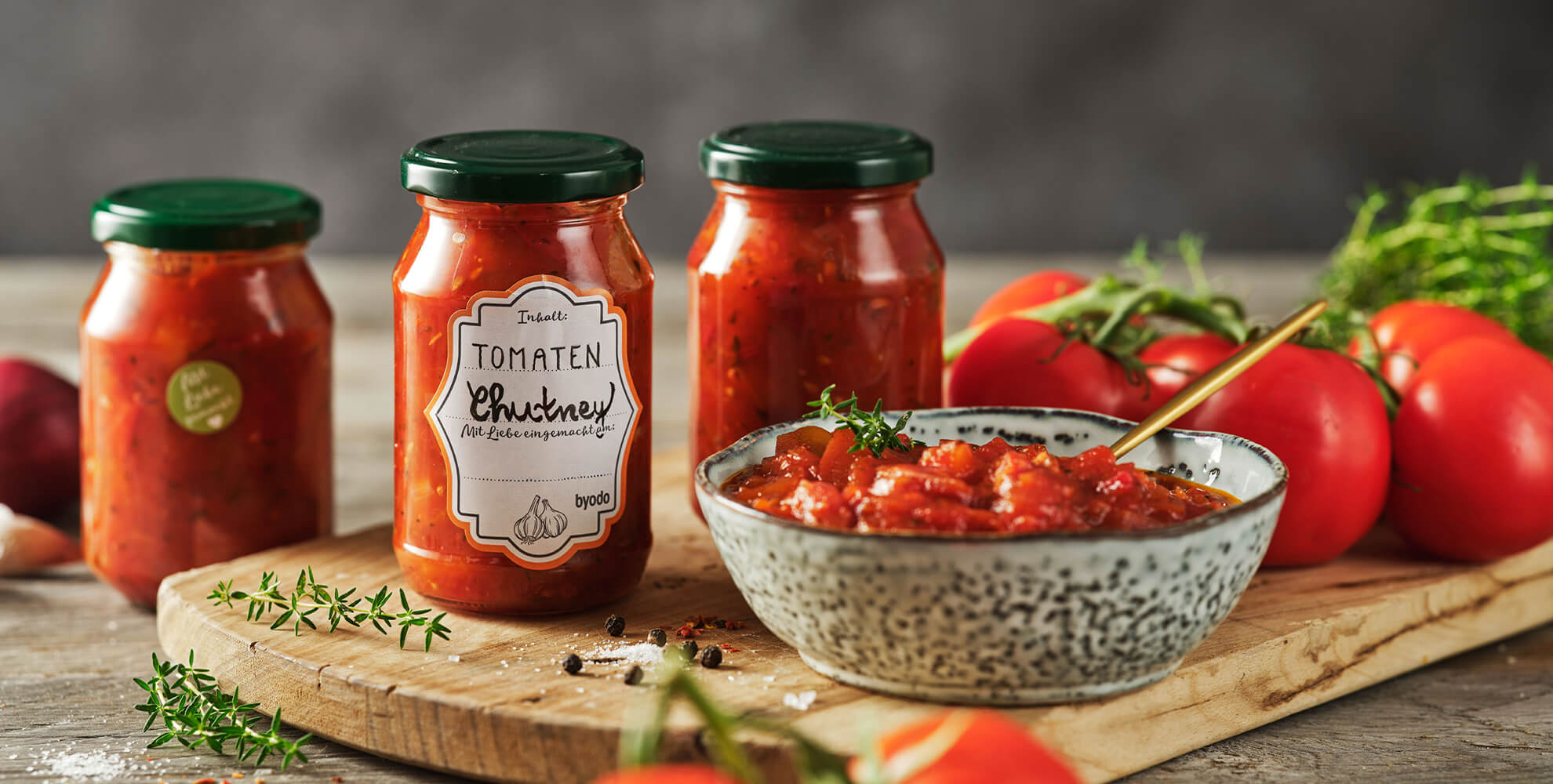
60 min.
Leicht
Vegan
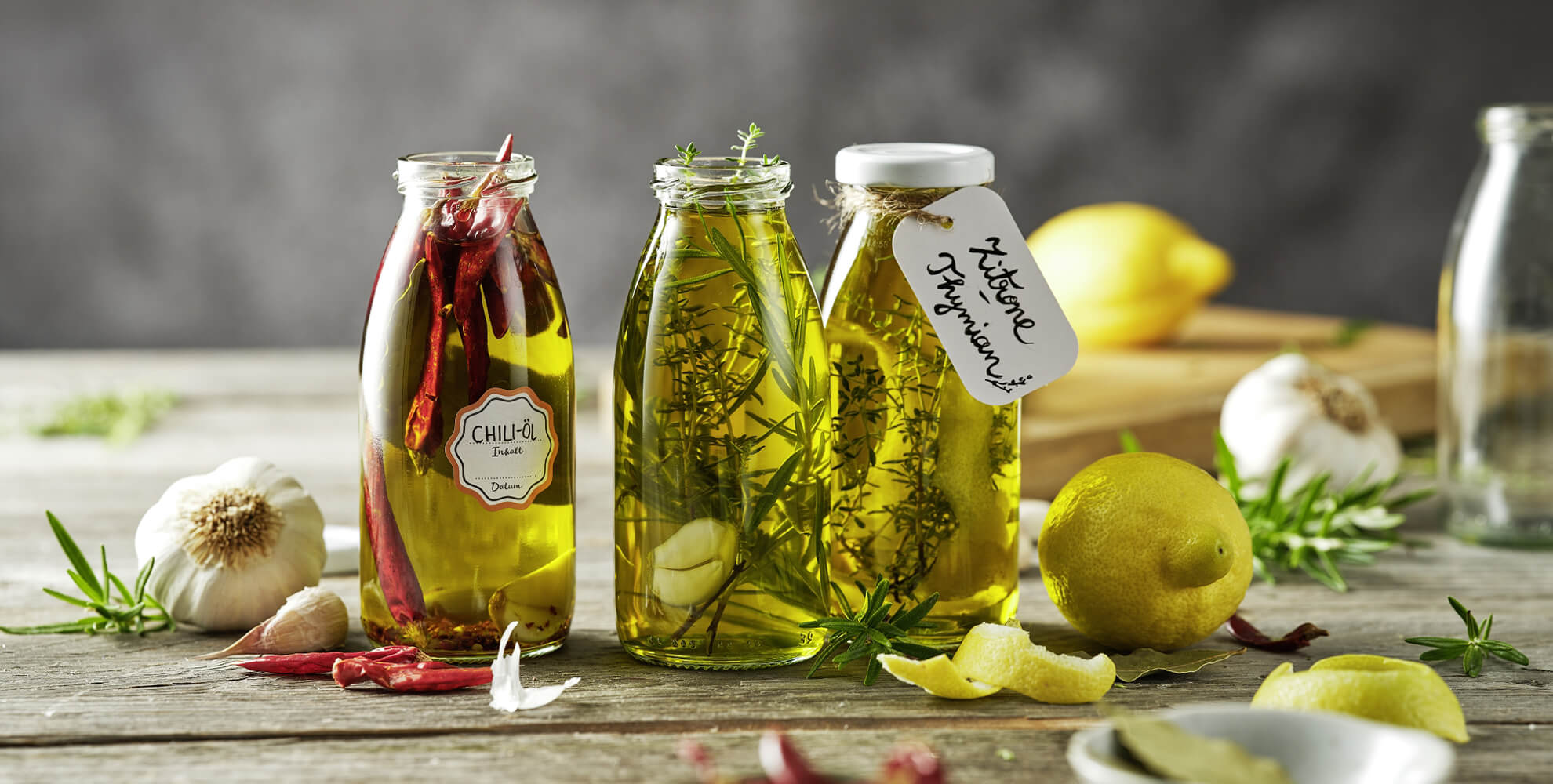
30 min.
Leicht
Vegan
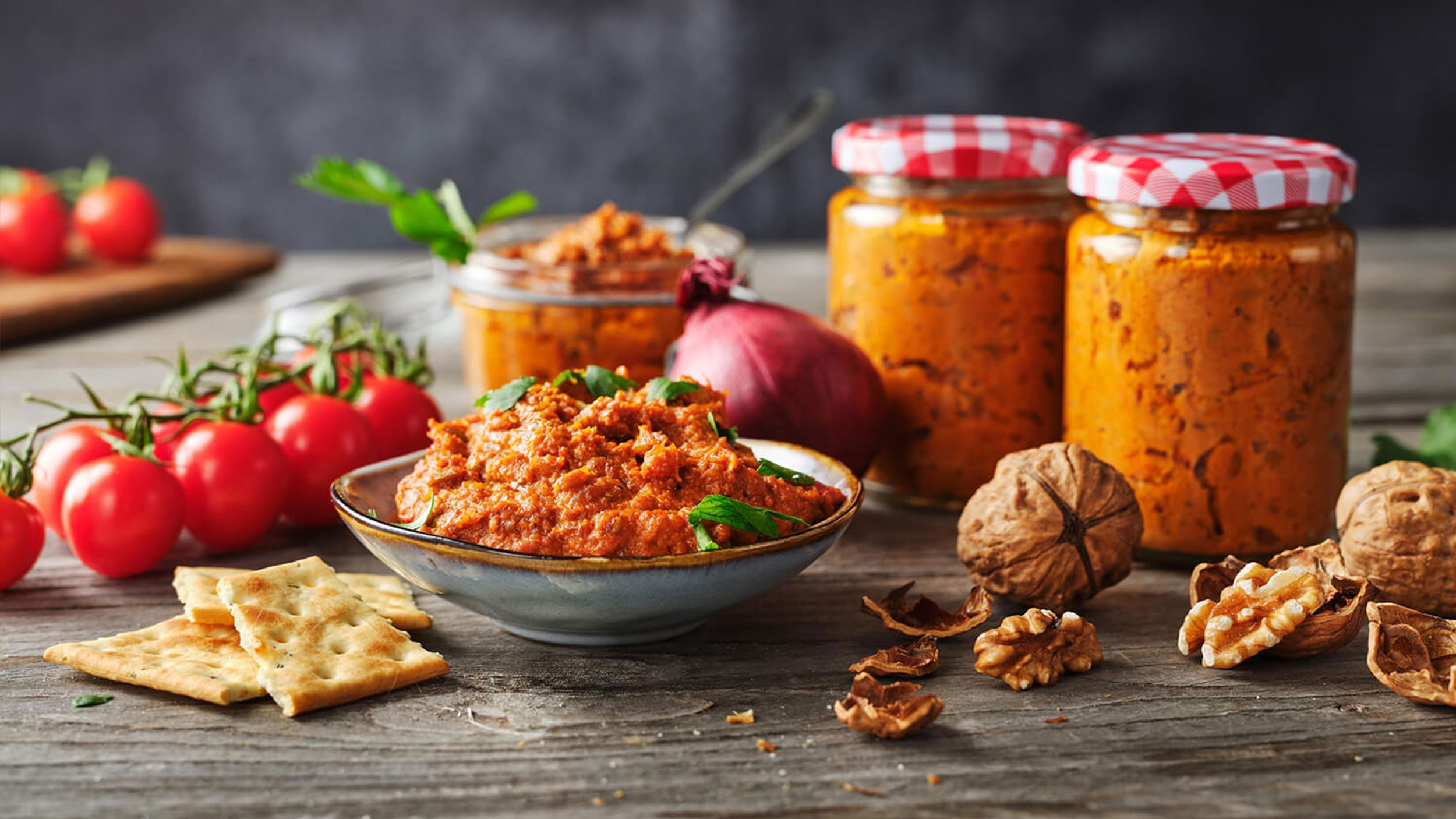
45 min.
Mittel
Vegan
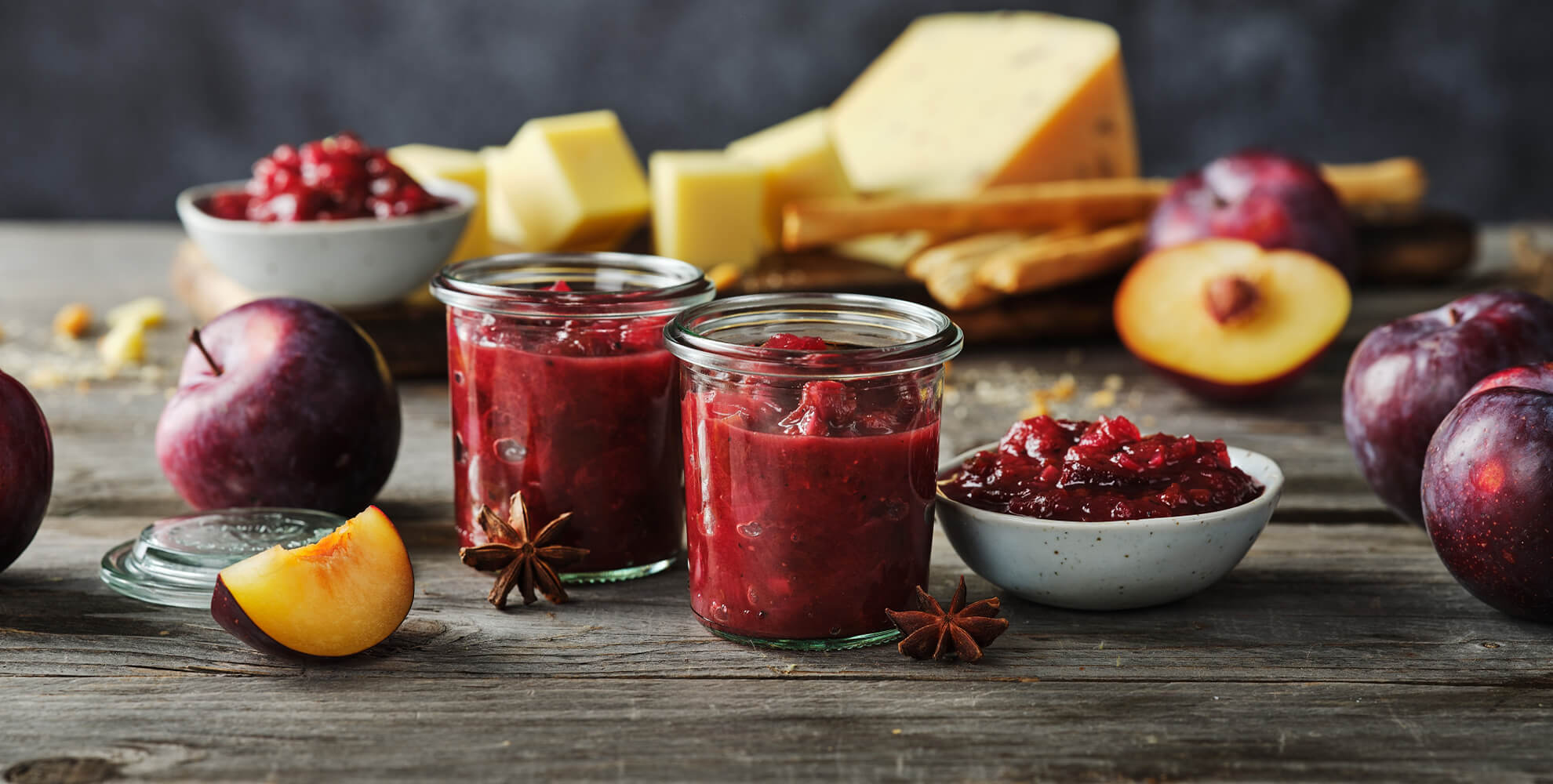
60 min.
Mittel
Vegan
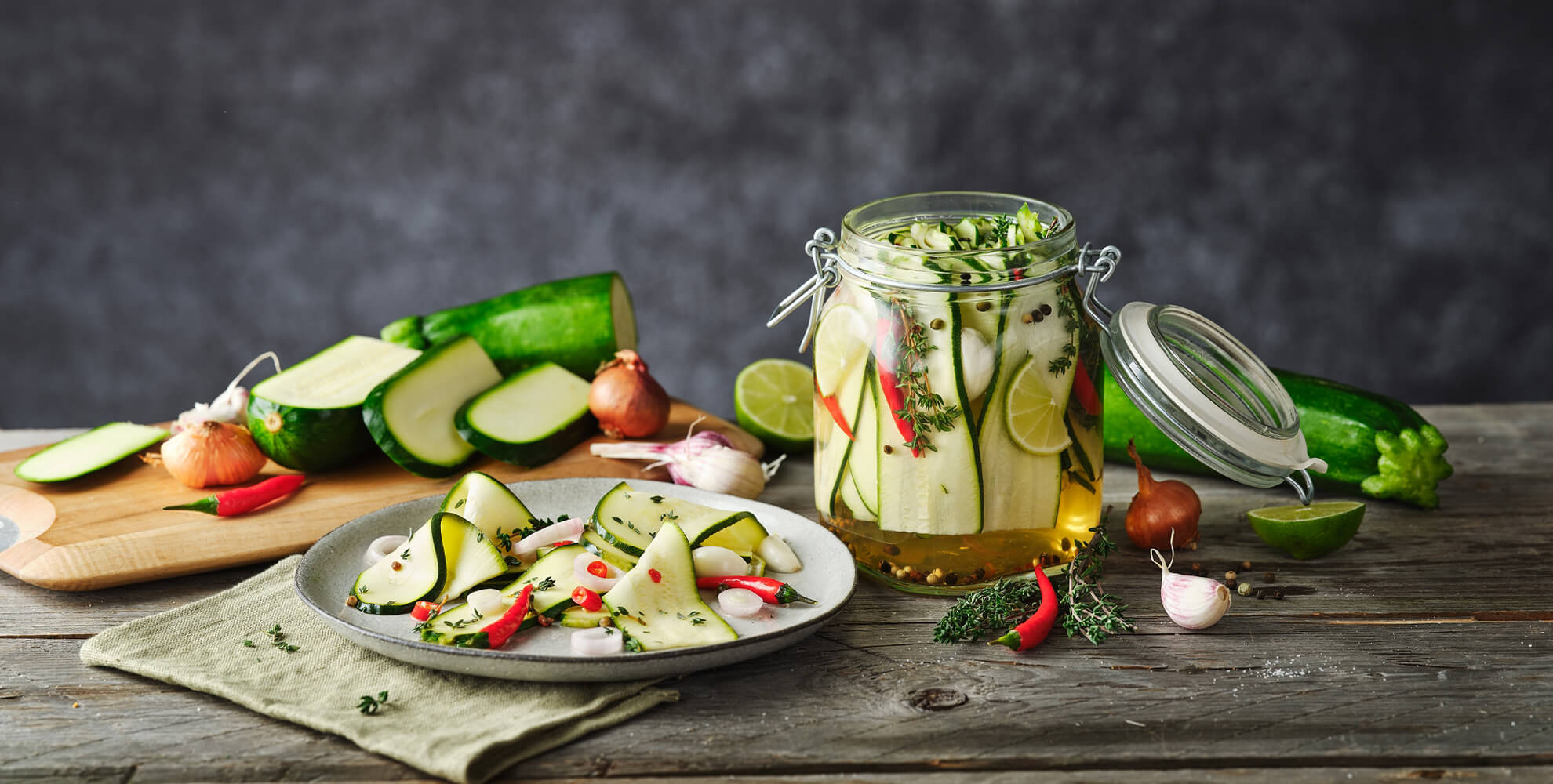
1530 min.
Leicht
Vegan
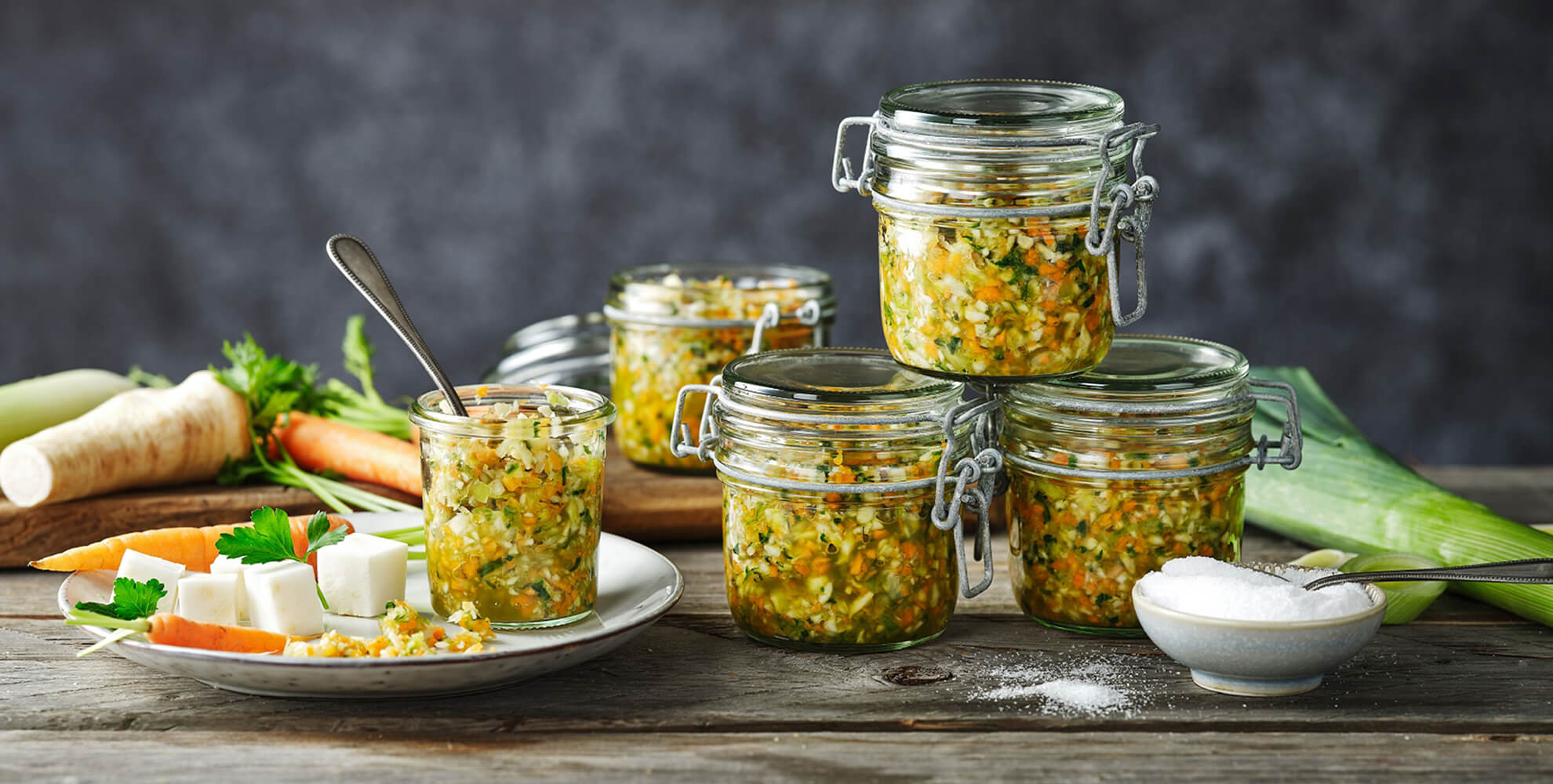
30 min.
Leicht
Vegan
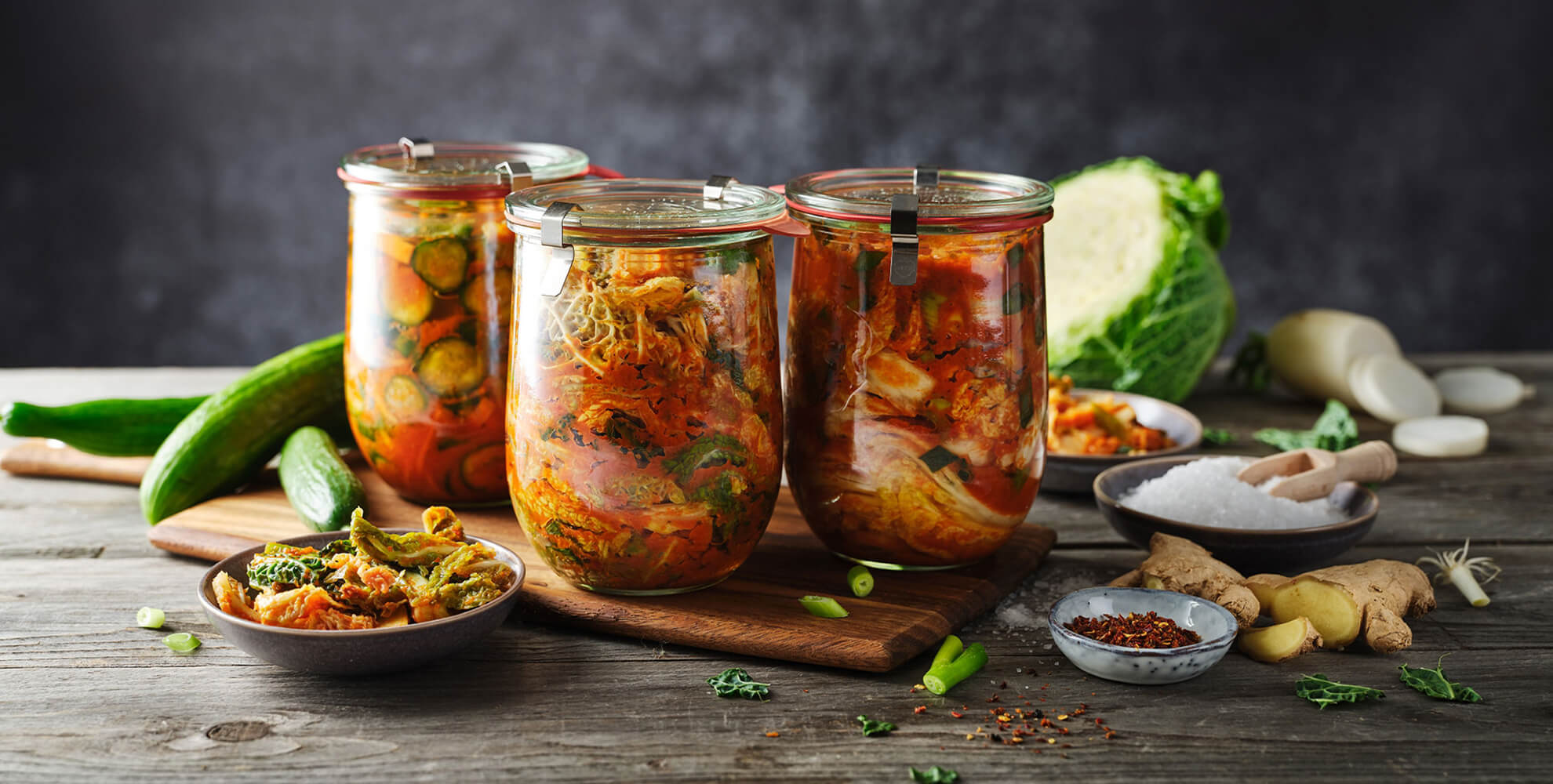
480 min.
Mittel
Vegetarian
Kimchi variations simply prepared
Discover how easy it is to make Korean kimchi at home! Try creative variations with cabbage, radish, savoy cabbage, mini cucumbers, kohlrabi or carrots. Whether spicy or with a sweeter note – we show you in the video how to ferment and refine your own kimchi.
This might also interest you
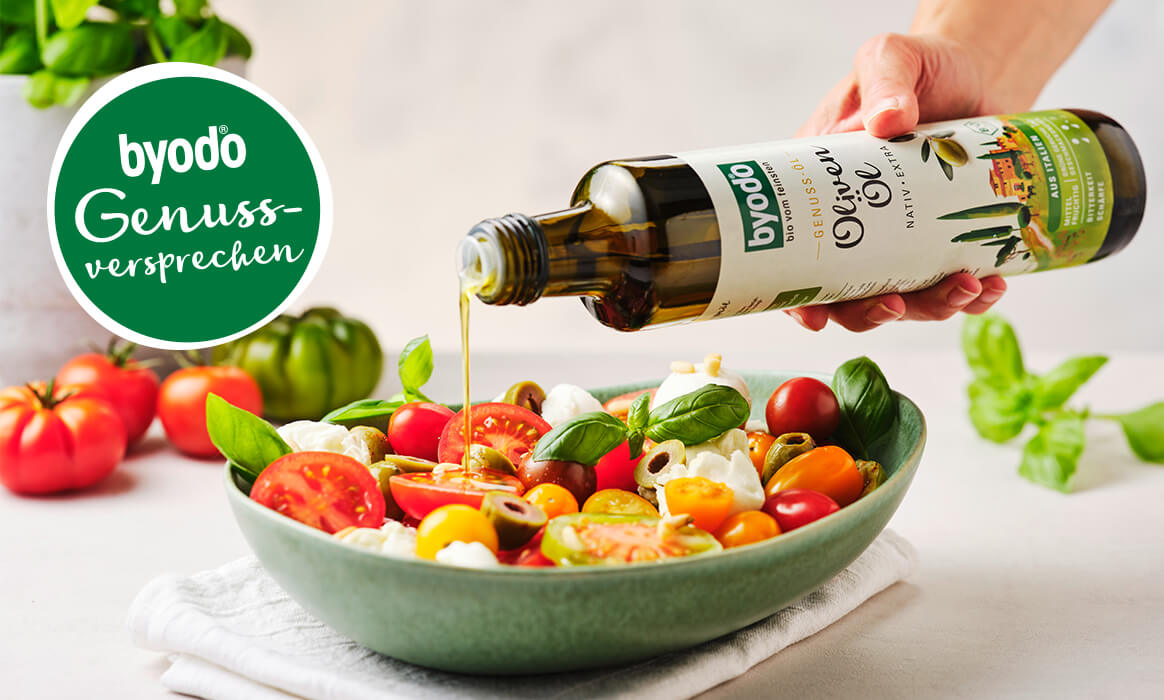
Biobegeistert project at the Comenius elementary school in Töging
A special breakfast: Visit from the future first graders at Comenius Primary School
Thanks to its Biobegeistert sponsorship, Byodo was once again able to support a small organic project and provided an organic breakfast buffet at the Comenius elementary school in Töging am Inn for future first-graders.
Normally, the 8 primary school classes at the Comenius School are supplied via the Bavarian school fruit and school milk program. Breakfast day takes place every Wednesday, with a team of hard-working helpers regularly cutting and preparing fruit and vegetables for the children. However, a special breakfast was held at the beginning of July.
The reason for this was the visit of the future first graders, who are currently still attending kindergarten and were curious to see what school feels like. That’s why they were first able to experience a lesson and then enjoy a sumptuous breakfast buffet prepared by the pupils of the two fourth classes during the break.
Â


Your organic project – sponsored by Byodo!
With our BIObegeistert sponsorship, we support nurseries, schools, universities and associations in realizing projects relating to organic nutrition and organically produced food – with a total value of 10,000 euros in the future. The best organic project submitted can look forward to 5,000 euros, while the second and third-placed projects will receive 3,000 and 2,000 euros respectively.
Would you also like to apply with an organic project?
Applications can be submitted via byodo.de/biobegeistert possible. Byodo is not alone in deciding which project wins up to €5,000 – after the end of the application phase, everyone can vote!
This might also interest you
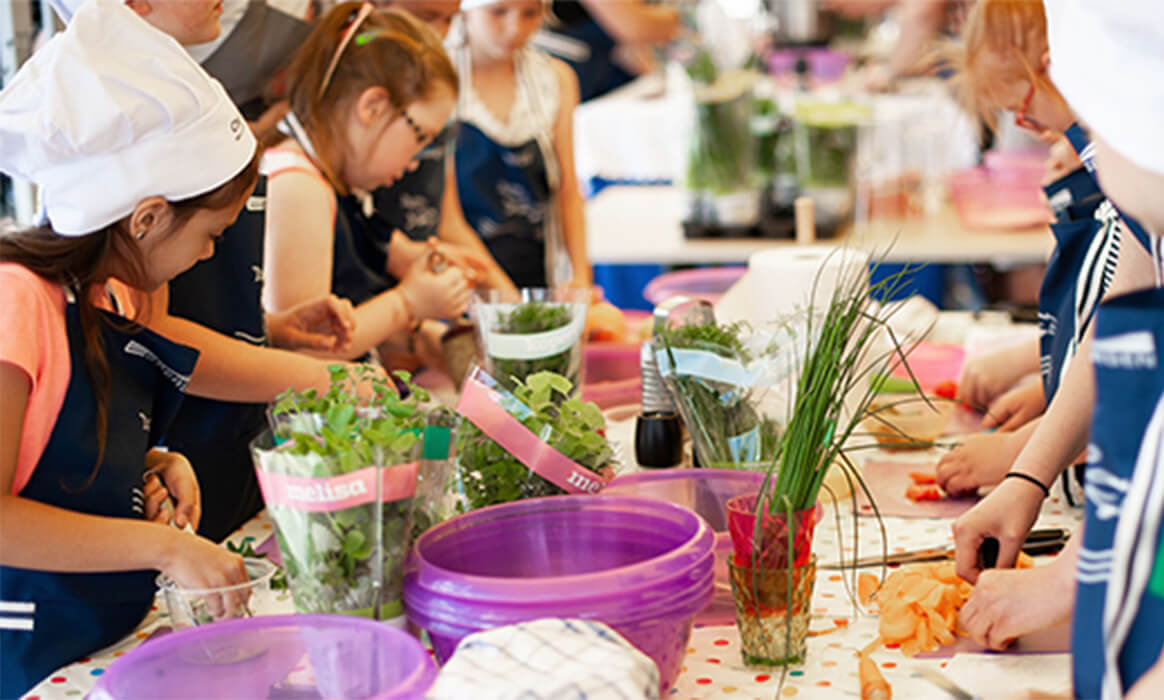

Creamy pesto in 100% organic quality
The secret of our creamy organic pesto
Pesto is a true all-rounder and can be used in a variety of ways. Whether as a classic accompaniment to pasta, as a spread on bread or as a spicy ingredient in innovative dishes – creamy pesto has become indispensable. But what is behind the creamy organic pestos?
Â
Why have we developed a creamy pesto?
The well-known pasta and pesto in the blue packaging are classics that end up in almost every shopping basket and are absolute favorites. However, such a creamy pesto has yet to be found in organic and delicious form.
This is a classic case for Byodo – because we have always seen it as an exciting challenge to achieve enjoyment in 100% organic quality – without any conventional aids such as chemical additives or flavor enhancers.

Additives in organic food
While up to 320 additives are permitted in conventional food production in the EU to optimize taste, color and shelf life, we rely on natural ingredients.
Only 56 additives are also permitted for organic food.
We deliberately avoid using this large number of substances and only use what is absolutely necessary. In our internal quality guidelines, we have stipulated that we only use 4 additives across our entire product range: Guar gum, agar-agar and locust bean gum as natural thickeners and citric acid as a natural preservative.

Only 1 additive in our pesto varieties
In our new pestos, which we wanted to develop so wonderfully creamy based on the conventional original, we only use guar gum as a thickening agent. This ensures that the consistency is not too runny and remains the same over the entire shelf life.
We think: It’s something to see and, above all, to taste!
Interview with Magdalena from the quality department
Magdalena is responsible for pasta, pesto and snacks in our quality department and has accompanied the journey of our creamy pesto from development to the finished product. We asked her what makes the pesto so creamy and what special features it has.

Quality employee
This might also interest you
What is special about the new pestos?
“Our new pestos are characterized in particular by their creaminess and versatility. We only use one carefully selected additive, guar gum, in the production of our pestos in order to preserve the natural taste and high quality of the ingredients. We also attach great importance to sustainable and organic ingredients from controlled cultivation. We use faba bean protein – from faba beans grown in Germany – as an excellent source of vegetable protein. This enables us to offer a creamy pesto in 100% organic quality.”
Â
How does quality assurance work at Byodo?
“We ensure the high quality of our products through double quality assurance, both externally by our partner suppliers and internally by Byodo. At Byodo, every incoming batch of products is carefully checked. The employees in the warehouse check whether the goods are properly packaged and randomly check the weight of the items. The quality assurance department checks the appearance, smell, taste and consistency – in short, the sensory properties – of each batch as well as the information on the labels. The sensory properties of all products are agreed with the producer in the specification and must be adhered to. When sensory issues arise, the team can draw on the advice of the internal Byodo Panel, a group of people who receive regular training on sensory issues. There is also a comprehensive analysis plan that sets out the parameters to be tested in the various product groups.
As a member of the BNN (Bundesverband Naturkost Naturwaren), compliance with the appointed orientation and guideline values is a voluntary commitment that is even stricter than the EU regulations and which we are very happy to fulfill.”
Â
Why does the list of ingredients for pesto say “hard cheese” and not “Parmesan”?
“To answer this, the difference between microbial rennet and animal rennet must first be clarified. Rennet is an enzyme that is required for the production of cheese. It promotes the coagulation of milk, which is later processed into cheese.
In principle, there are two possible sources of the enzyme:
- Animal rennet: It comes from the abomasum of young calves, where it is actually responsible for digestion. Consequently, it is also obtained from the stomachs of dead calves.
- Microbial rennet (not animal): It comes from the fermentation of mold cultures.
Parmesan cheese, which is traditionally used for pesto, has a protected designation of origin. Among other things, this stipulates that animal rennet must be used for the cheese.
As we want to offer a vegetarian product, this is also the reason why we do not use Parmesan cheese in our pesto, but hard cheese instead, as a microbial rennet may also be used in the production of hard cheese.
This is not a disadvantage in terms of quality, but for us it means that vegetarians can also enjoy our pestos. The Byodo Pesto Rosso with sun-dried tomatoes is even vegan and just as deliciously creamy as the other two varieties thanks to faba bean protein.”
Â
How long did the new pestos take from the first attempt to the final product and what challenges had to be overcome?
“As already mentioned, we have an internal sensory panel made up of people with sensory training from the various departments. In this panel, upcoming product developments are tasted on a weekly basis and taste requirements for a product or suggestions for improvement are collected in a joint discussion and ultimately the final recipe is approved from a sensory perspective.
Product development for our three new creamy pesto varieties proved to be difficult in different ways.
- The creamy Pesto Rosso we were able to say goodbye to it after just one reworking.
- The development of the other two varieties was more complex. For example, one request from our sensory panel was that the Pesto Genovese should be less salty than the previous recipe. At the same time, however, salt is essential for the shelf life of the product. In the end, we were able to reduce the salt content by 1g/100g compared to the previous recipe and at the same time guarantee the shelf life of the product for two years.
- With the creamy Pesto Calabrese took a few rounds of development to achieve a balance between the spiciness of the hard cheese and the heat of the peppers that all panel members were happy with.
The development process can therefore take a little longer, as we only want to sell products with which we are 100% satisfied in terms of taste. That is why we make our Byodo promise of enjoyment.”
This might also interest you
Byodo pasta shapes: Which pasta goes with which sauce?
Did you know that there are over 350 types of pasta that are known worldwide?
From well-known shapes such as spaghetti and penne to less familiar ones such as strozzapreti and orecchiette – they all reflect Italy’s rich culinary tradition. Each type of pasta has its own history and use, which is often linked to regional specialties and traditional recipes. Choosing the right sauce also perfects the pasta experience. But which pasta should you combine with which sauce?
Â
Â
The Byodo pasta variety
Here you will find a diverse selection of the finest pasta in the highest organic quality. Both classic variants as well as gluten-free and high-protein options as well as wholemeal or emmer Pasta includes our extensive pasta range – discover the quality and special taste in every bite.


How does the sauce adhere better to the pasta?
One of the biggest challenges when preparing pasta, apart from choosing the right pasta shape, is making sure that the sauce adheres well to the pasta. Here are a few tips that you should definitely bear in mind when preparing the pasta and sauce:
- Do not rinse the pasta: Do not rinse the pasta with water after cooking. The starch on the surface of the pasta helps the sauce to adhere better. However, if you rinse the pasta, you remove this important layer and the starch is lost.
- Cook the pasta al dente: Cook the pasta al dente, i.e. firm to the bite. This way it retains its structure and the sauce does not slide off the pasta.
- Combine the pasta and sauce: Mix the pasta and sauce in the pan instead of simply pouring the sauce over the pasta. This allows the pasta to absorb the sauce better and the flavor can be evenly distributed. Allow the pasta and sauce to simmer together for one to two minutes.
- Use starchy cooking water: Keep some of the starchy cooking water after cooking the pasta and add it to the sauce. This binds the sauce better and ensures better adhesion to the pasta. One or two tablespoons are enough to improve the consistency of the sauce. A little tip: keep some of the cooking water in an airtight jar in the fridge so that you can use starchy cooking water when preparing a sauce. The cooking water will keep refrigerated for about 2-3 days.
- Texture of the pasta: The “roughness” of the surface of the pasta is also decisive for the adhesion of the sauce. This is because a rough texture makes it easier to bind the liquid to the pasta. This rough surface is created by the use of bronze dies in the pasta production process. The pasta is pressed through traditional bronze molds, which ensure a rougher surface than with conventional molding and the sauce sticks particularly well later on. While industrial production usually uses machines made of a material that ensures a smooth surface and therefore low sauce adhesion for cost reasons, Byodo Pasta only uses traditional bronze dies.
- Note the fat content: There should also be a certain amount of fat in the sauce, such as olive oil, butter or cream. Fat basically acts as an emulsifier and combines well with the starchy pasta.
Â
Â
What types of sauces are there?


This might also interest you
Our path to greater sustainability
24.06.2024
CO2 balance reduced by 25% in 2023!
We attach great importance to the fact that sustainability is not just a buzzword, but is deeply rooted in our corporate philosophy and we live it every day. That is why we continuously strive to improve our carbon footprint, make it measurable and operate responsibly.
By switching to e-mobility, increasing home office options for employees and reducing business travel, among other things, we were able to significantly reduce our carbon footprint in 2023 compared to 2019. Our company building, in which we completely dispense with fossil fuels, also plays a large part in this. Find out more about our sustainability measures and our joint path to greater sustainability.
Living sustainability: Our approach
Our focus is on enjoyment through 100% organic quality. We have been developing delicious, organically produced products for years, which we market in close cooperation with partners in the organic food trade. Our Byodo CateringLine brand offers an exquisite selection of products for restaurants and bulk consumers. Our aim is to continue to spoil you with premium products of the best quality and at the same time protect our environment. Since our company was founded, we have been committed to preserving nature through sustainable management.
Our sustainability measures at a glance
Our commitment to the climate: the CO2 footprint
Why is Byodo involved?

Sustainable company building made from regional materials
Our new company building focuses on regional sustainability: it was built with regional precast concrete elements and natural wood trusses, which have short transportation routes and a high recycling rate. Concrete is a sustainable building product that is produced in the region and impresses with its long service life and high thermal storage capacity. The use of high-quality triple-pane thermal insulation glass guarantees optimum thermal insulation and energy efficiency. Would you like to find out more about our sustainable location?
More about our company building
Hybrid vehicle fleet to reduce CO2 emissions
To reduce our CO2 emissions, we rely on a hybrid vehicle fleet. These vehicles consume less fuel and emit fewer pollutants, especially in cities and mountainous regions. In the meantime, 12 company vehicles have already been converted to e-mobility.
More about the hybrid fleet
Photovoltaic system & e-charging station
Our photovoltaic systems (263 kWp) with their own power supply and an in-house connected e-charging station for our customers provide sustainable energy directly from the roof. In 2023, 269,672 kWh of green electricity was already generated by the two photovoltaic systems.
More about generating your own electricity
Green roof & company pond to improve the microclimate
Our green office roof not only ensures pleasantly cool offices in summer, but also contributes to improving the local microclimate together with our company pond, which is sustainably supplied by a rainwater storage tank.

Creating habitats for insects and animals
This pond provides a diverse habitat for insects, amphibians, lizards and birds. With a wild meadow and various trees and shrubs, we create a habitat for native insects. Hedgehogs also find a winter home with us. The Blühpakt Bayern has honored our company for the second time for its outstanding commitment to species and insect protection. This initiative is actively committed to counteracting the extinction of species, especially insects. Companies that design their outdoor facilities to be close to nature and thus create valuable habitats for insects receive the “Blooming Companies” award. Our company premises are a prime example of this approach.

Increase in home office opportunities for employees
As a modern and employee-oriented company, we offer our employees flexible options for working from home. We understand that every employee has individual needs and circumstances. We use state-of-the-art technology and digital collaboration tools to ensure that our teams can work together effectively, even remotely. In this way, we not only promote the work-life balance of our employees, but also increase their productivity and satisfaction. Our aim is to create a working environment that focuses on flexibility, trust and personal responsibility.

Reduction of business trips
As a forward-looking company, we are actively committed to reducing the number of business trips and at the same time increasing the efficiency of our work. We offer our employees a variety of innovative alternatives to traditional business trips. By using state-of-the-art video conferencing systems and virtual collaboration platforms, we enable high-quality, interactive meetings and project work over long distances.

Sustainable packaging for our products
The packaging of our organic products is crucial to ensure their high quality in the long term and to protect them from external influences. We attach great importance to functionality, attractive design and practical handling. However, the ecological aspect is particularly important to us, which is why we are constantly working on developing environmentally friendly packaging solutions. Find out more about our sustainable packaging.
More about our packaging
Environmentally friendly shipping of our parcels
We also rely on sustainable shipping through DHL GoGreen, at no extra cost to the customer. We also only use environmentally friendly, 100% recyclable packaging material made from renewable raw materials and do not use any plastic at all. Each order is carefully packed by hand in an environmentally friendly way.
More about sustainable shippingWhy is Byodo involved?
At Byodo, we are actively committed to climate protection. Reducing our CO2 footprint is a central component of our commitment. We firmly believe that sustainable action is not only a responsibility towards the environment, but also an opportunity for a better future. As a manufacturer of goods, we are directly and indirectly responsible for greenhouse gas emissions. We therefore see it as our duty to act responsibly and sustainably. The most effective way to protect the climate is to avoid emissions at source, for example by taking measures to increase energy efficiency. We offset unavoidable emissions through certified climate protection projects.
Â
Our commitment to the climate: the CO2 footprint
A company’s corporate carbon foot print (CCF) is the total of all greenhouse gas emissions generated directly or indirectly by the company’s activities. These emissions are converted into CO2 equivalents in order to make the different greenhouse gases comparable. The results are presented transparently in the form of a report in order to identify key climate protection measures and derive climate protection targets.
At Byodo, we take a holistic approach to minimizing our carbon footprint. In cooperation with our partner Klimaktiv we calculate our corporate carbon footprint according to the standards of the Greenhouse Gas Protocol – an internationally recognized guideline for the preparation of carbon footprints at site level. This detailed carbon footprint helps us to identify the main sources of our emissions and take targeted measures. In addition to avoidance and reduction as well as a sustainable supply chain, we also invest in certified climate protection projects for unavoidable emissions.
Through targeted measures and a strong commitment, we were already able to reduce our carbon footprint by 25% in 2023 (compared to 2019)! Our goal is to continue to minimize the environmental impact of our business activities even further and thus show that enjoyment and environmental awareness can go hand in hand.
Byodo's contribution: CO2 compensation through offsetting
At Byodo, we go one step further when it comes to climate protection. Based on our detailed carbon footprint, we have decided to make our site climate-neutral. To achieve this, we rely on offsetting through a certified Plan Vivo project. We have chosen the "Trees for Global Benefits" project in Uganda. This long-standing, cooperative carbon offset program combines community-led carbon sequestration activities, promotion of sustainable land use practices and performance-based payments to farmers. The project is already supporting 6,996 smallholder families and has issued 1,327,886 Plan Vivo Certificates (PVCs) to date. In line with our carbon footprint, we have financed the planting of 445 trees to offset the 306.95 tons of CO2 at our site in Mühldorf.This is how sustainable company buildings work!
Â
Our sustainability manager Susanne will guide you through the Byodo company building and show you how sustainable working in our building works.
Take a look behind the scenes!
This might also interest you
Tips for your sustainable EM soccer party
Barbecues, picnics and more
The European Football Championship is in full swing and with it comes the perfect opportunity for an outdoor barbecue or public viewing. But how can soccer fun be combined with sustainability?
We’ll show you how you can make your EM party environmentally friendly. Discover delicious recipe ideas and practical, sustainable tips for barbecuing. Let’s celebrate together and keep our ecological footprint as small as possible!
5 tips for more sustainability when barbecuing
Sustainability when barbecuing not only means taking care of the environment, but also enjoying food in a more conscious and healthier way. With five simple tips, you can make your barbecue party more environmentally friendly and still enjoy delicious dishes:

Tip #1: Use regional barbecue charcoal
Did you know?
Conventional charcoal often comes from distant countries and illegal deforestation. Therefore, use charcoal made from local wood to avoid long transportation routes and support the regional economy. Look out for certifications such as the FSC or Naturland logo, which stand for sustainable forestry.
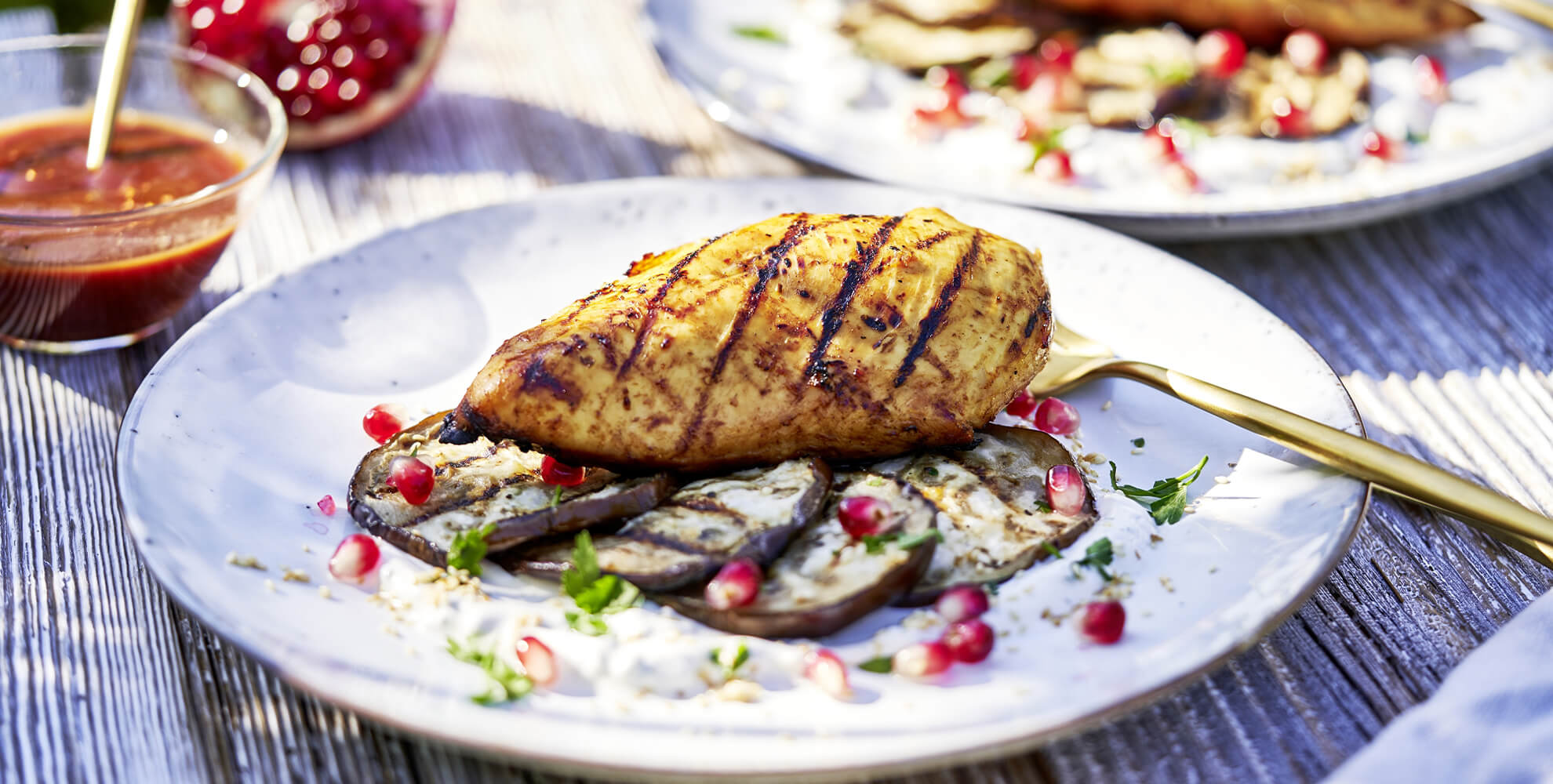
Tip #2: If meat, then organic
It is well known that meat is not exactly sustainable. But if meat is to end up on the barbecue, it is worth investing in high-quality, regional meat from organic farms. On the one hand, organic meat simply tastes better and on the other, it protects the environment and promotes animal welfare.

Tip #3: Say goodbye to aluminum foil
Aluminum often creates waste, which is also difficult to recycle thanks to grease residues and the like. There are sustainable alternatives such as reusable grill mats or griddles made of metal, stone or even wood. These are also easy to clean.
Potatoes or eggplants can be placed in the embers without any foil or alternatively wrapped in rhubarb or cabbage leaves.

Tip #4: Veggie more often
Get creative with cheese, vegetables or fruit! Because when it comes to sustainability, meat-free barbecuing scores highly in terms of CO2 and water consumption. Here you can also look out for regional and seasonal products. Maybe something will even grow in your own garden?
Try vegetarian or vegan barbecue alternatives such as vegetable skewers, tofu or grilled cheese. Get inspired and discover our barbecue recipes!
Â
To the barbecue recipes
Tip #5: Don't let anything burn
It may seem trivial, but keep an eye on your food to avoid food waste. Plan the quantities carefully and only grill as much as you will actually eat. Avoid wasting food by using leftovers from the barbecue creatively – for example in salads or wraps the next day.
By the way: Extinguishing with beer is not a good idea and only produces carcinogenic smoke! If you want beer flavor, it is better to marinate the food beforehand.
Your picnic at the public viewing
You can also enjoy the games with friends and family at a public viewing picnic. To ensure that your picnic is not only delicious but also sustainable, you should pay attention to the following things.
- Reusable crockery and cutlery: Avoid single-use plastic and bring reusable plates, cups and cutlery instead. Bamboo or stainless steel tableware, for example, is suitable here.
- Zero-waste packaging: Pack your food in reusable containers, beeswax cloths or cloth bags. This saves waste and avoids disposable packaging.
- Regional and seasonal ingredients: When choosing food, opt for regional and seasonal products. Not only do they have a smaller ecological footprint, they also taste better and fresher.
- Homemade snacks and drinks: Prepare your own snacks and drinks to avoid unnecessary packaging. Whether it’s sandwiches, fresh salads in a jar or homemade lemonade. Find suitable recipes here! Drinks should ideally be filled in reusable bottles or thermos flasks. This reduces the consumption of disposable plastic bottles and keeps your drinks cold or warm for longer.
- Travel together: Traveling together by carpooling or using public transport also helps to reduce CO2 emissions.
Recipe ideas for your soccer party
15 min.
Leicht
Vegetarian
15 min.
Mittel
Vegetarian
60 min.
Mittel
Vegetarian
30 min.
Mittel
Vegetarian
20 min.
Mittel
Vegan
40 min.
Mittel
Vegan
5 min.
Leicht
Vegetarian
40 min.
Mittel
Vegetarian
30 min.
Mittel
Vegetarian
20 min.
Leicht
Vegetarian
35 min.
Mittel
Vegetarian
35 min.
Leicht
Vegan
50 min.
Leicht
Vegan
20 min.
Mittel
Vegan
80 min.
Schwer
Vegan
35 min.
Leicht
Vegan
45 min.
Mittel
Vegan
50 min.
Leicht
Vegan
65 min.
Mittel
Vegan
30 min.
Leicht
Vegan
30 min.
Mittel
Vegan
60 min.
Leicht
Vegan
15 min.
Leicht
Vegan
40 min.
Leicht
Vegan
20 min.
Mittel
Vegetarian
100 min.
Mittel
Vegan
90 min.
Mittel
Vegetarian
55 min.
Mittel
270 min.
Mittel
65 min.
Mittel
Vegan
30 min.
Mittel
Vegetarian
60 min.
Leicht
Vegan
30 min.
Leicht
Vegan
45 min.
Mittel
Vegan
60 min.
Mittel
Vegan
1530 min.
Leicht
Vegan
30 min.
Leicht
Vegan
480 min.
Mittel
Vegetarian

10 min.
Leicht
Vegan
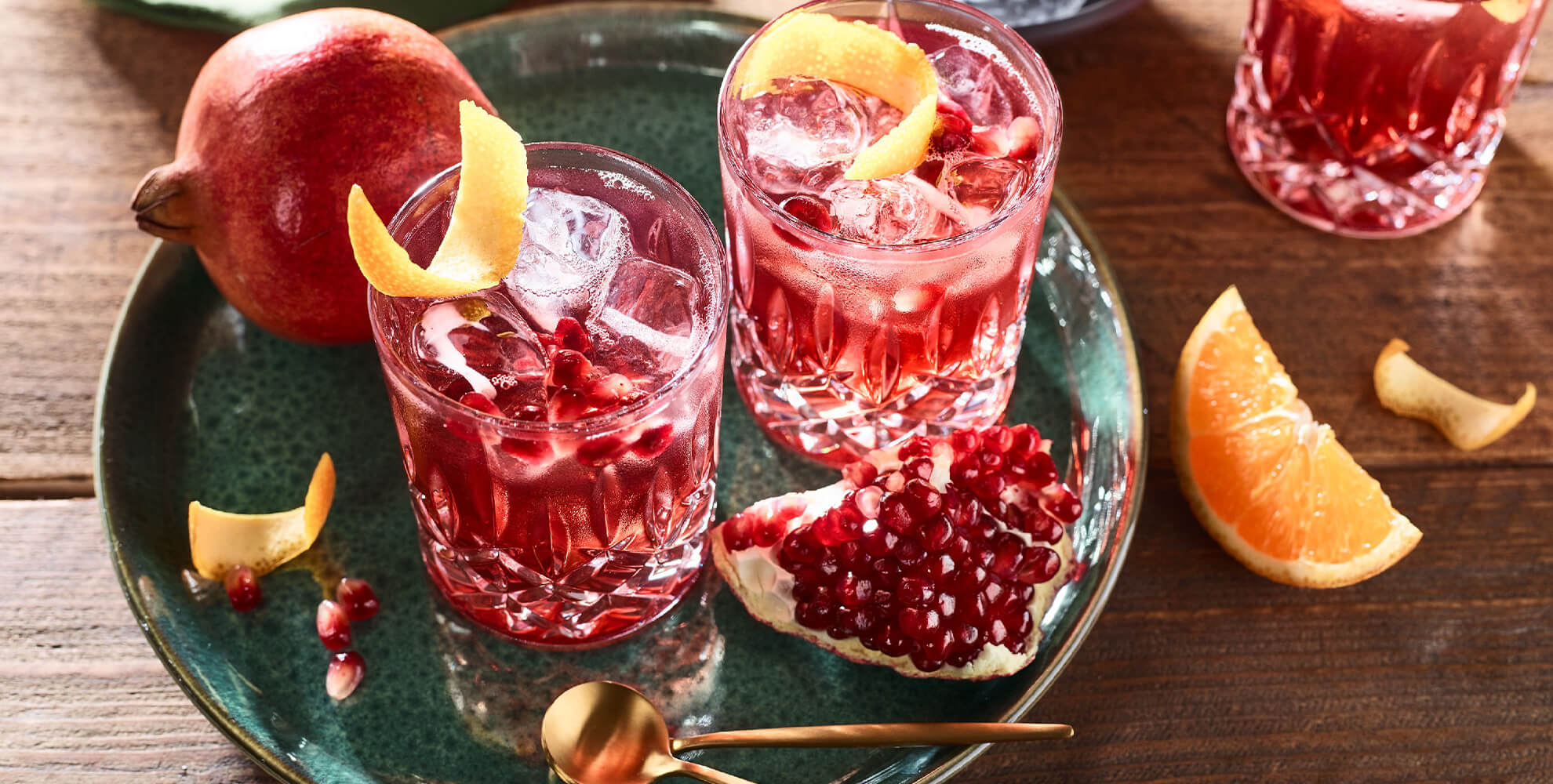
3 min.
Leicht
Vegan
Vegetarian
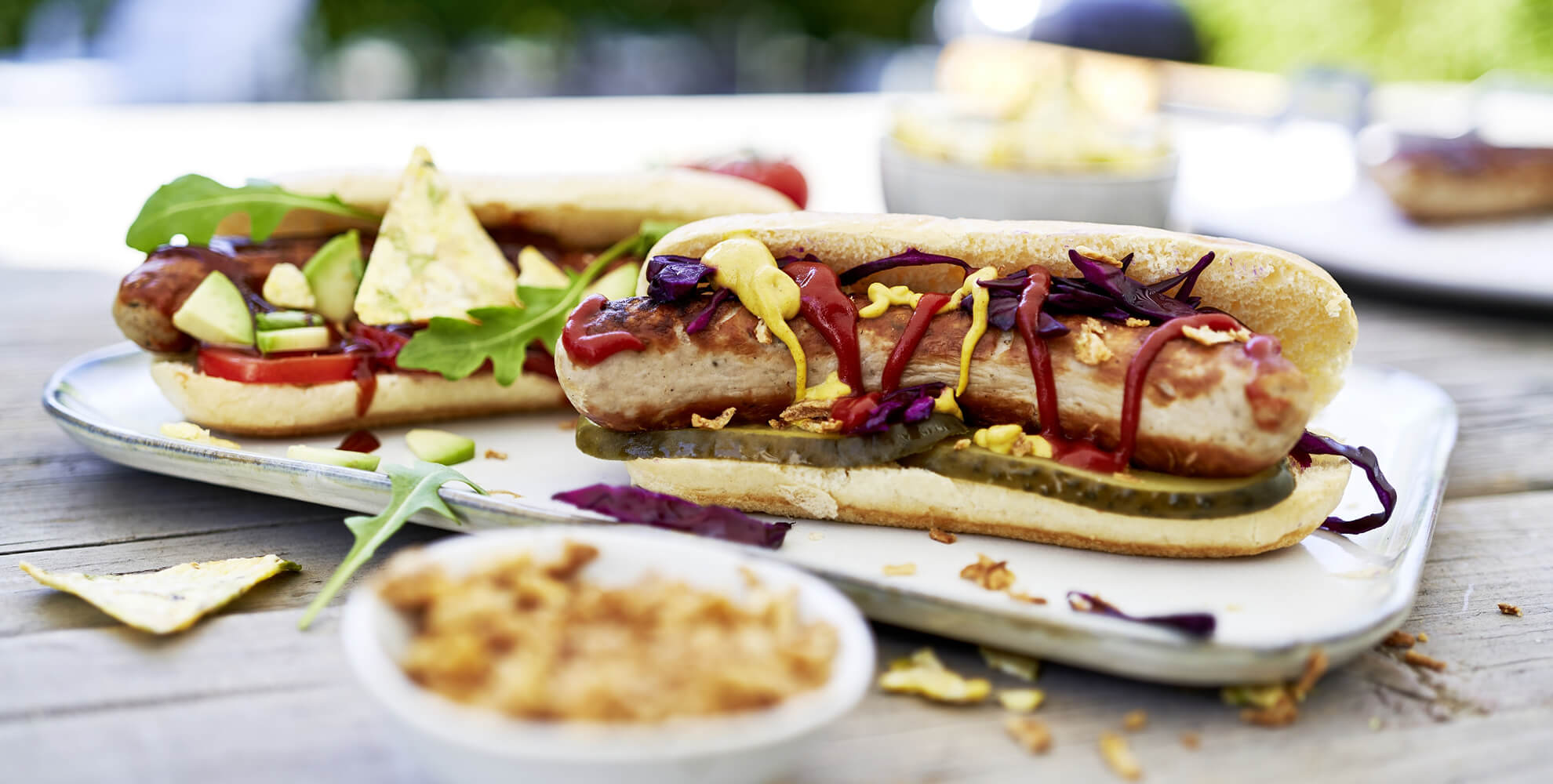
30 min.
Leicht
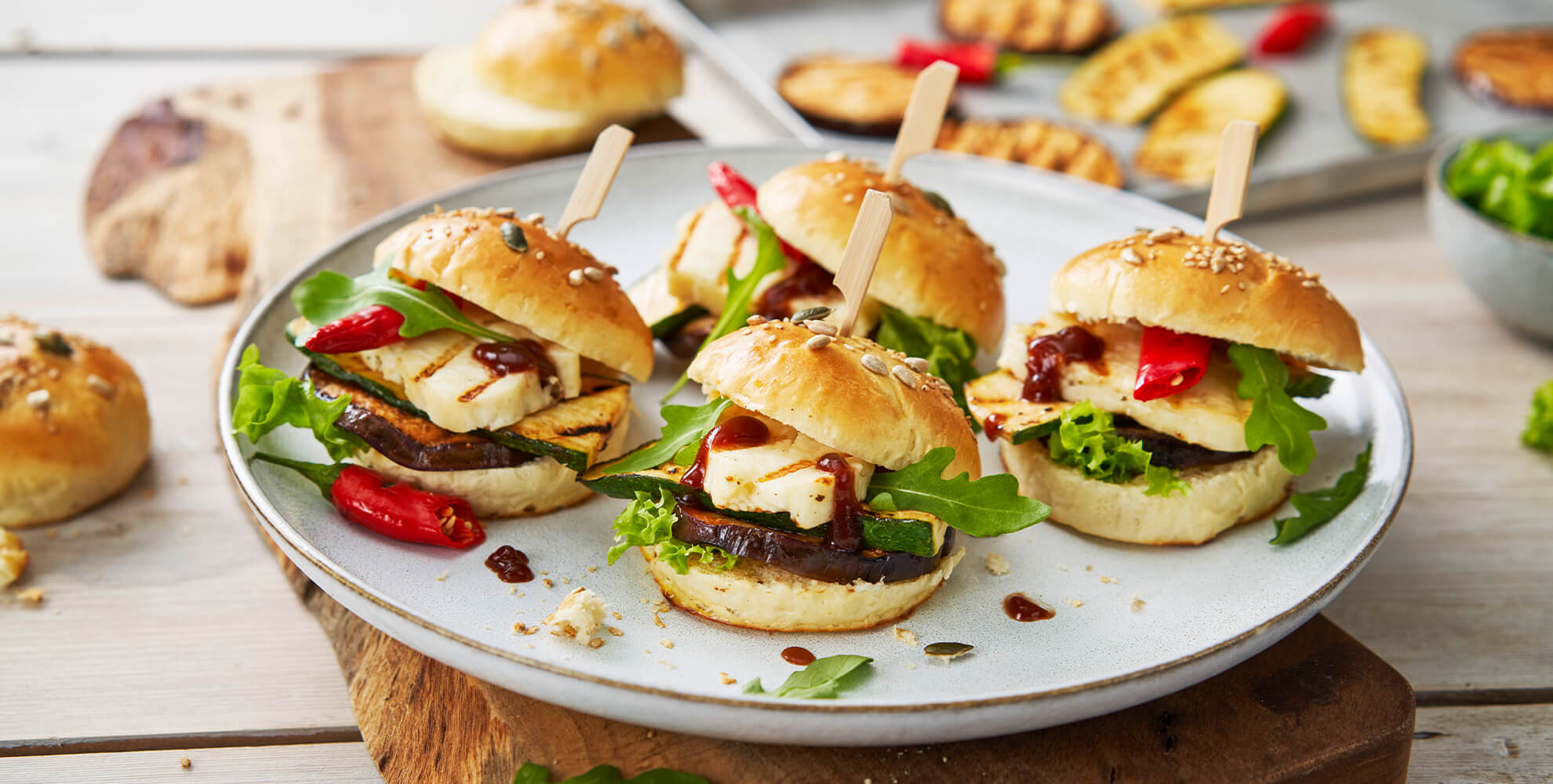
60 min.
Leicht
Vegetarian
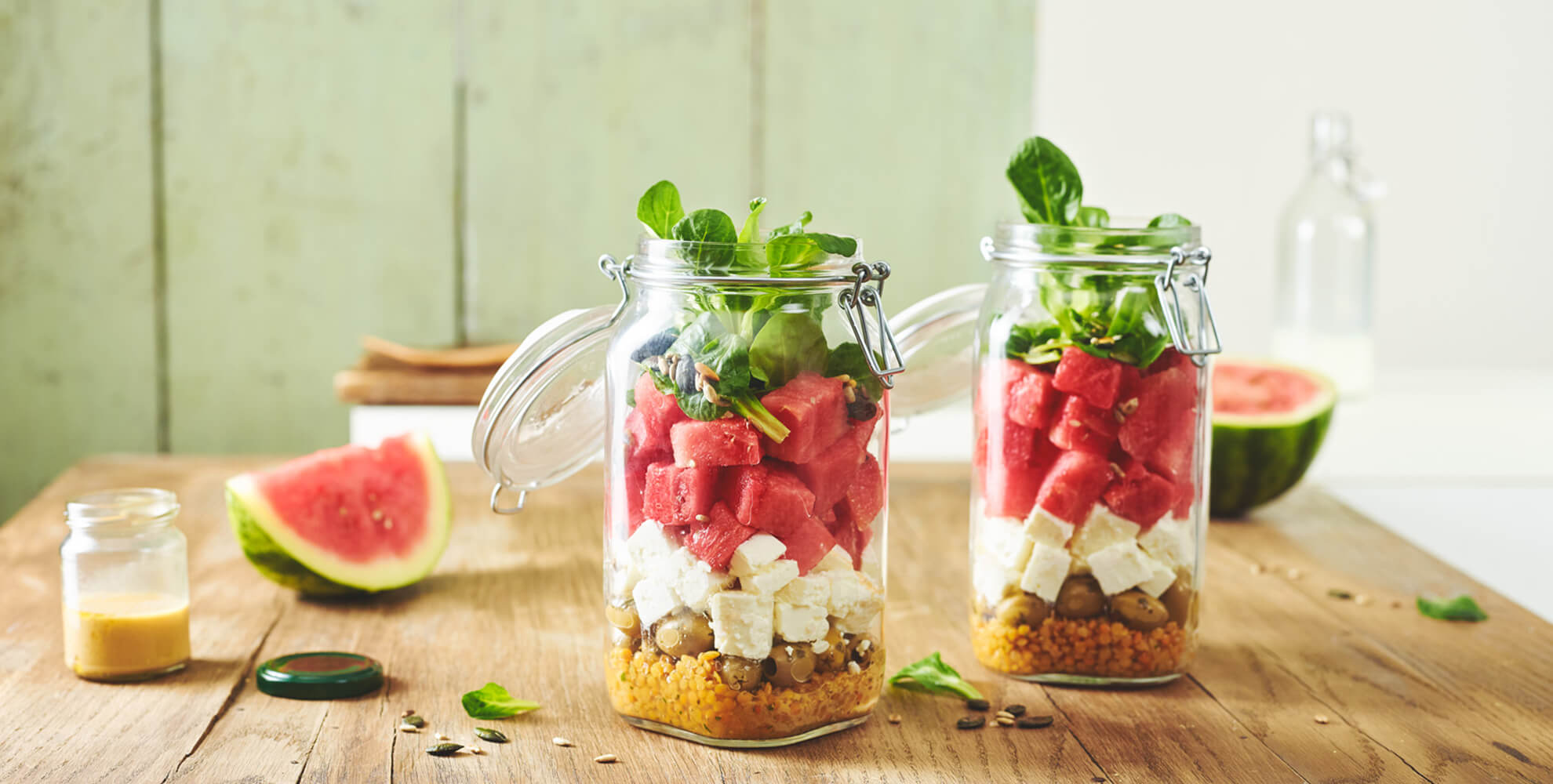
20 min.
Leicht
Vegetarian
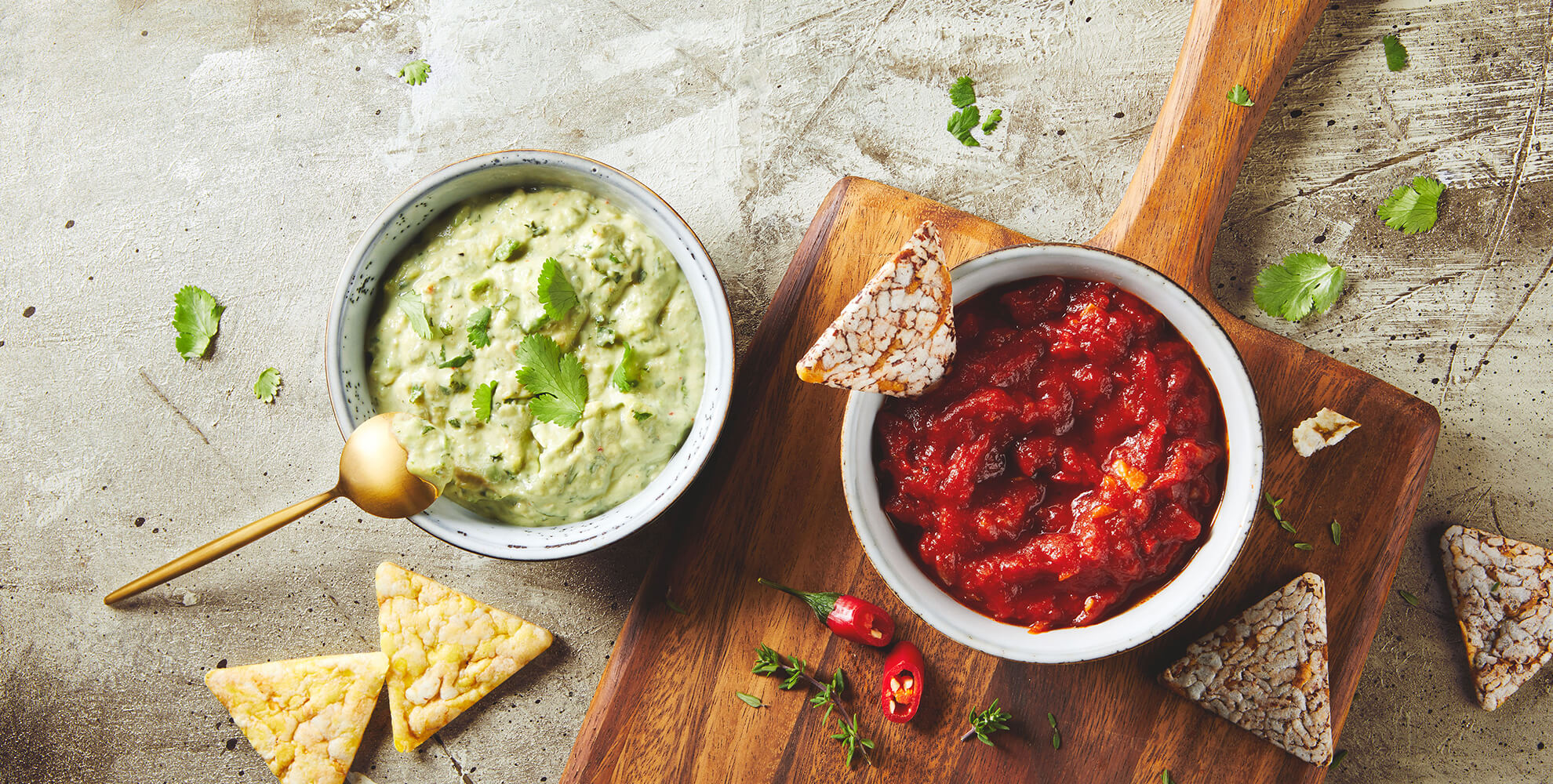
20 min.
Leicht
Vegetarian
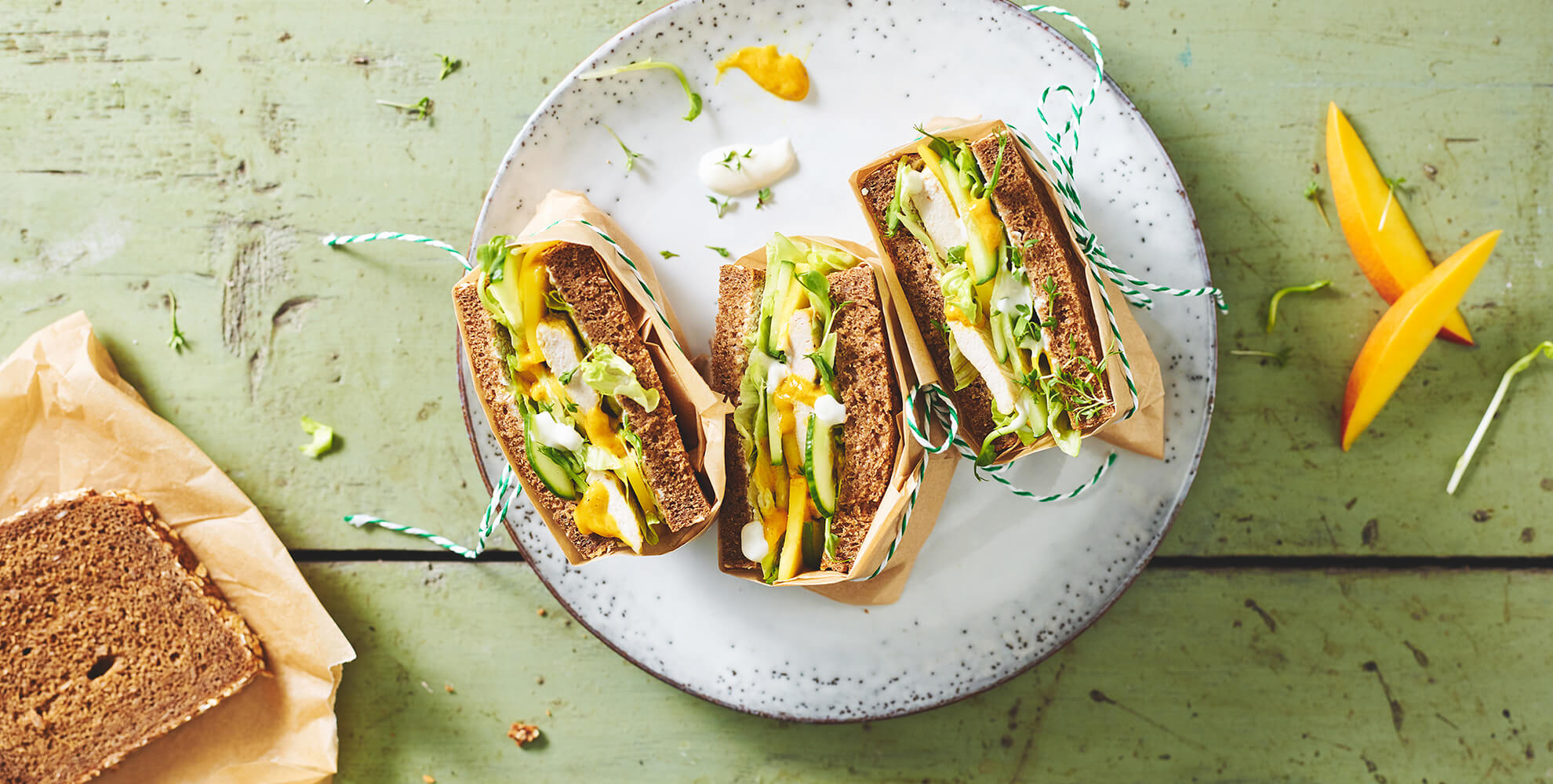
50 min.
Mittel
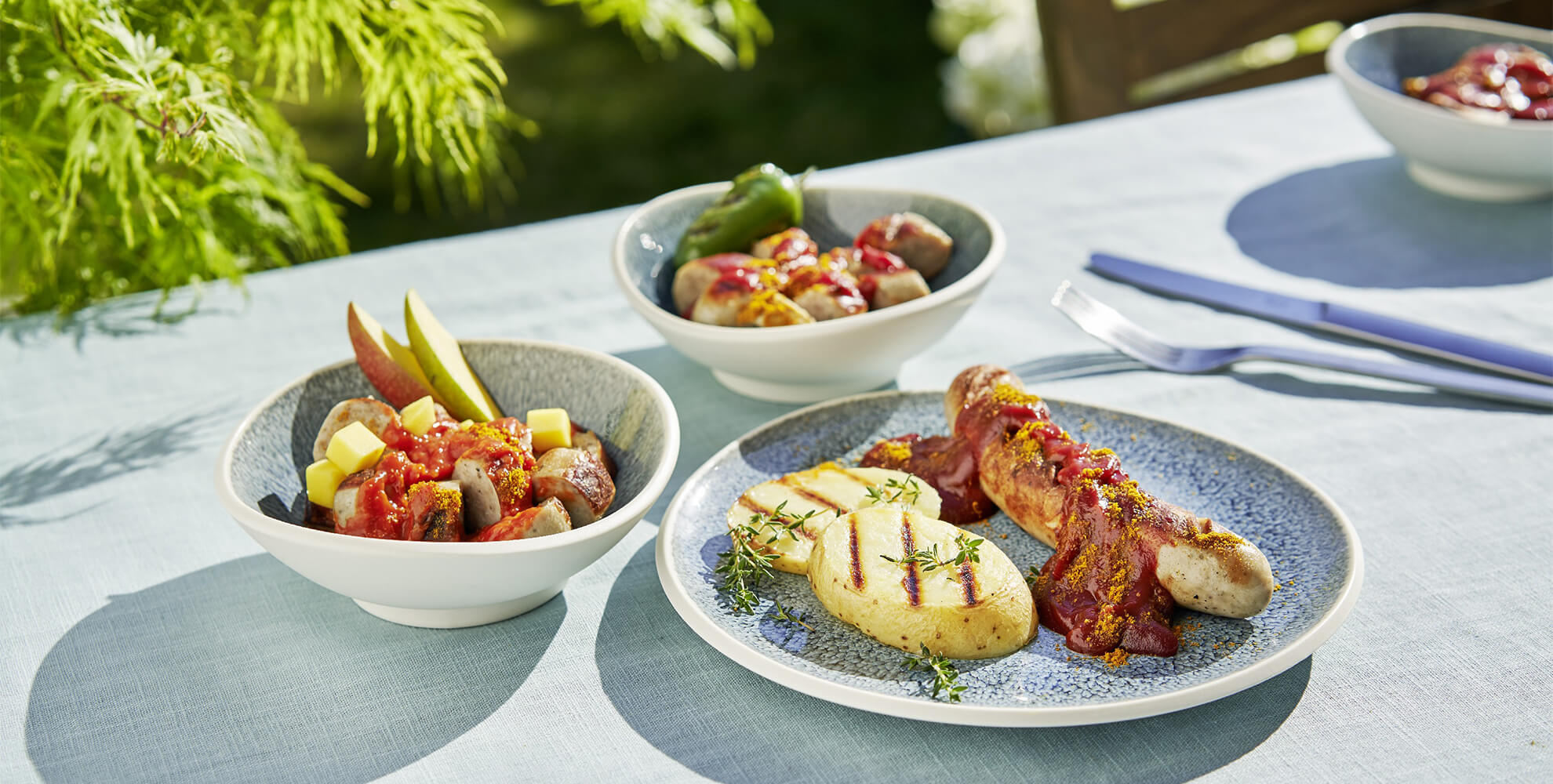
15 min.
Leicht
Vegan
This might also interest you

Coffee meets olive oil: a special taste experience
In recent years, coffee with olive oil has established itself as a trendy drink. This combination may seem unusual at first glance, but many coffee lovers are convinced by the unique taste and velvety texture that olive oil gives to coffee. Now we also wanted to try out the trend and tested it extensively for you together with coffee expert Uli from the Baruli coffee roastery.
Find out how to make the perfect coffee with olive oil and why it is so important to use high-quality ingredients.

How the expert Expert Uli von Baruli prepares coffee with olive oil?
To prepare this trendy drink, you will of course need freshly ground coffee, high-quality extra virgin olive oil and plant-based or animal milk.
This is how Barista Uli does it:
- For two cappuccinos, Uli adds a teaspoon of extra virgin olive oil directly to the milk, which is then frothed to around 60-65 °C. He chooses an oat milk for this. When choosing a plant-based milk alternative, it is important that it is labeled Barista and is well chilled. However, fresh cow’s milk with a fat content of 3.5% can also be used.
- Once the milk has been frothed with the olive oil, it can be poured onto the prepared espresso. Make sure that the foam is evenly distributed over the espresso.
- Before drinking the cappuccino, Uli recommends stirring it well again to ensure a consistent taste. “This way, the olive oil in the cappuccino and therefore the aromas are better distributed and you can taste an ideal interplay of all components,” says Uli.
Test & conclusion of coffee with olive oil
Coffee with olive oil is said to combine the best of the two Italian traditions of “coffee” and “olive oil”. But what does the coffee variation really taste like?
Our social media manager Marina and barista Uli tried the coffee with olive oil and reveal their verdict on the taste.
Â
Watch her reaction in the video!

Why should you choose a high-quality organic olive oil?
The choice of a high-quality olive oil determines the taste and texture of the coffee.
This is because a high-quality extra virgin olive oil has a fresh, fruity character that blends well with the aroma of the coffee. Inferior olive oils, on the other hand, can have an unpleasant effect on the taste of the coffee.
In addition, an olive oil with the addition “extra virgin” is the purest and highest quality olive oil, which is obtained from the olives using the cold pressing process and also has numerous health benefits.
Its velvety, soft texture gives the coffee a pleasant mouthfeel and unique enjoyment.
To our olive oils
Why is it important to use organic coffee?
High-quality coffee is grown and harvested under fair trade conditions and sustainable practices. To consume coffee responsibly, look for the organic label on the packaging.
You can also recognize high-quality coffee by the fact that it is often roasted in smaller batches. As a result, it is fresh and has more intense aromas and a better crema that blend well with the texture of the olive oil.
In addition, only carefully selected beans that contribute to a rich, balanced taste experience are used for high-quality organic coffee. The roasting process, in which care is taken to process the beans gently, also plays an important role.
About organic coffee from BaruliThis might also interest you


Frying olive oil or extra virgin olive oil?
Differences and applications of the valuable oil
Do you love cooking with olive oil, but wonder when you should use a frying oil and when an extra virgin olive oil? Find out about the differences between these two types and discover practical tips on how both oils can be used optimally as real all-rounders.
What characterizes extra virgin olive oil?
Extra virgin olive oil is the highest quality grade of olive oil. It is cold-pressed at temperatures below 27 °C to preserve the natural aromas and nutrients. Also our Byodo extra virgin olive oils are rich in aromas and nutrients and also have a particularly intense taste. This is because the olive varieties selected with care and sensory expertise ensure unique flavor profiles.
More about the flavor profiles
What is so special about frying olive oil?
Frying olive oil is specially developed for high temperatures. Due to the higher smoke point compared to extra virgin olive oil, frying olive oil is more suitable for cooking, frying and grilling. Thanks to the Byo-Protect® process, our Byodo frying olive oils become high-heat oils. The natural and gentle 3-phase process protects valuable ingredients while guaranteeing a high smoke point.
More about the Byo-Protect processDo you know the differences?
In order to make the right choice of olive oil, it is important to know the differences in detail.
Â
Here is an overview of the most important differences:
Â

Which oil is better for hot cooking?
Our virgin oils, including extra virgin olive oil, are carefully cold-pressed and only filtered to preserve all the important nutrients. If they are heated too much, they literally go up in smoke. The oil then no longer tastes good and can even form substances that are harmful to health. That’s why you should use a frying oil, such as our Byodo frying olive oils, for frying, grilling and deep-frying. This is because the careful Byo-Protect® process makes them highly heatable and therefore ideal for high temperatures.
Â
How do the oils differ in taste?
The taste of an olive oil can influence the entire character of a dish. Extra virgin olive oil can have different flavor profiles depending on the olive variety, but it is generally known for its intense, fruity taste with slightly bitter or spicy notes. To reflect the Mediterranean flavors and regional diversity of olive varieties, we have selected two hand-picked olive oils with the fruitier character of Italy and the mild taste of Greece. With frying oils, on the other hand, heat-sensitive flavors are gently filtered out, giving them a milder and less intense taste . This makes it versatile, as it does not mask the flavors of other ingredients.
Â
Which oil is more nutritious?
The nutrient content varies depending on the production process. Extra virgin olive oil is rich in valuable nutrients such as antioxidants, polyphenols and vitamin E. These nutrients have positive health benefits. However, the valuable ingredients in our frying oils are also protected and largely preserved through the use of the Byo-Protect process.
Â
Which dishes are the oils suitable for?
Extra virgin olive oil is the first choice when it comes to cold dishes and preserving maximum nutrients and flavor. Thanks to its intense flavor and high content of valuable ingredients, extra virgin olive oil is ideal for salads, dressings, cold starters and dips.
Frying olive oils, on the other hand, should be used in hot kitchens. The higher smoke point and milder taste make it perfect for roasting, grilling or deep-frying without smoking or losing stability.
Â
How are the oils stored correctly?
The shelf life and storage conditions influence the freshness and quality of the oil.
Both oils should be stored in a cool, dark place and protected from light, heat and oxygen. However, the frying oil is less sensitive to storage conditions and also has a longer shelf life. As extra virgin olive oil reacts with oxygen in the air after opening and this can negatively affect the taste and also reduce the health benefits, it should be consumed within 6-12 months of opening under the storage conditions mentioned. In addition, the intense aromas that make extra virgin olive oil so special fade over time.
This might also interest you

Excellent organic quality in our gourmet kitchen
Excellent organic quality in our gourmet kitchen
Gold award for our Feinsinn gourmet cuisine
Â
We have great news to announce! Our Feinsinn Genussküche was one of the first catering establishments in the region to be awarded the new state organic certificate for out-of-home catering in gold. Since it opened in 2016, employees and guests have been able to enjoy breakfast, lunch dishes, coffee and cake in 100% organic quality.
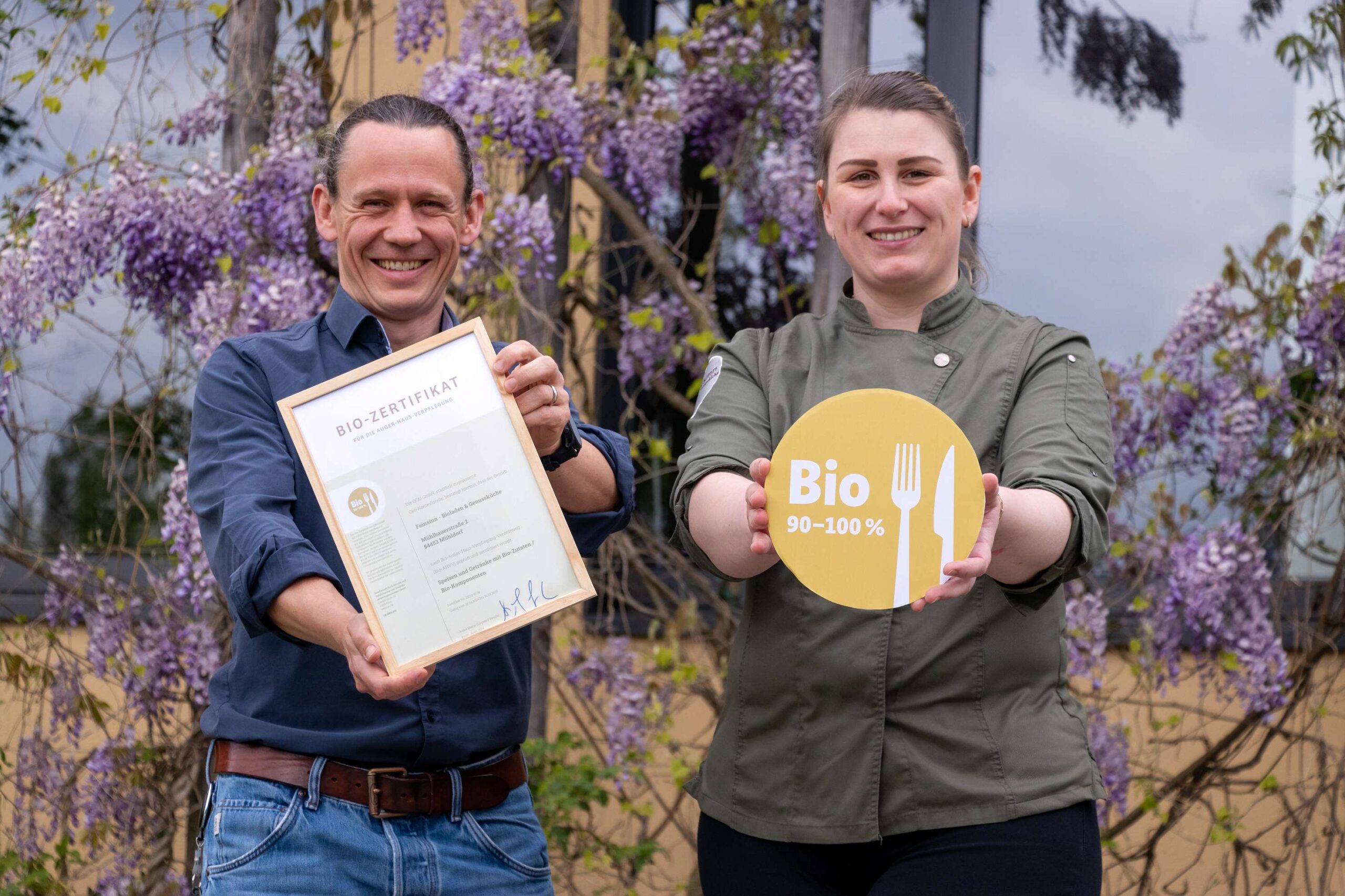
The Federal Ministry of Food and Agriculture adopted the new Organic Out-of-Home Catering Ordinance (Bio-AHVV) at the end of 2023. This is accompanied by three new organic seals in gold, silver and bronze, which show guests at a glance how high the organic content of the restaurant is. This makes it easier for consumers to choose organically produced food and dishes when eating in the canteen, in restaurants or on the go.
We are delighted that our Feinsinn was one of the first regional restaurants to be awarded the golden seal for a 90-100% organic content. The kitchen team at Feinsinn has been cooking fresh and 100% organic products every day since the very beginning. For eight years now, we have been contributing to the national Organic Strategy 2030, which includes the expansion of organic out-of-home catering as a key measure.
Â
“Top quality, maximum enjoyment and 100% organic – we place the same demands on the dishes in our gourmet kitchen as we do on our Byodo products. Both our employees and numerous external guests appreciate this outstanding culinary offering every day,” says Byodo Managing Director Stephanie Moßbacher.
Feinsinn Operations Manager Marcus Hofer adds: “Our guests have always been able to rely on the organic quality of our dishes, we only work with organically produced ingredients out of conviction and are also regularly inspected by the organic inspection body. The new organic label now communicates this even more simply and clearly.”
We are incredibly proud of Feinsinn Genussküche and are delighted to be able to share this important milestone in our company history with you!
Find out here
more about our organic store and our in-house gourmet cuisine.
Â
Source: https://www.bmel.de/DE/themen/landwirtschaft/oekologischer-landbau/bio-strategie-2030.html
This might also interest you
Enjoy completely!
Effective methods for completely emptying food packaging
Â
We all know the dilemma: despite careful shaking, tapping and squeezing, food packaging often still contains leftovers that are seemingly unreachable.
We show you how to empty food packaging completely using simple and effective methods. By completely emptying food waste from packaging, we not only save money, but we can also make an important contribution to reducing waste and thus promote a more sustainable lifestyle.


Tip #1: Empty aluminum tubes
Our 100% recycled aluminum tubes are extremely practical, but there is often a lot of product left in the folds. What is the best way to get the leftovers out of the tube?
Â
Roles:
When rolling, the contents of the tube are pushed upwards by rolling up the packaging, allowing more contents to be squeezed out. This method is particularly suitable for viscous products.
Squeeze together:
The contents are also pushed upwards when the tube is squeezed or squeezed out, but a lot of the contents remain in the resulting folds. Accordingly, this is the least effective method of emptying the entire contents of a tube.
Cross out:
By spreading the tube from the bottom upwards, the contents can be evenly distributed and completely emptied. For our tomato paste, our mayonnaise and our mustards, we recommend the spreading method, as this allows the entire contents to be squeezed out and you do not run the risk of tearing the tube by rolling or squeezing it at the edges and corners.

Tip #2: Empty jars & bottles
Jars, bottles or squeeze bottles are often difficult to empty, especially when it comes to thicker substances such as mustard, sauces or mayonnaise. In addition to scraping the residue out of the jars and bottles with a spatula or spoon, there are also the following options:
Â
Rinse with water:
Pour some water into the glass or bottle, swirl it well and then pour the diluted product into your preparation. The diluted product can be used as a base for salad dressings, marinades, sauces or dips.
Â
Mix the dressing in a jar or bottle:
Leftover sauce and mustard in the jars, bottles or squeeze bottles can also be used to make dressings for salads or sauce bases for hot dishes.
By adding a little stock, a dash of vinegar and herbs, our curry mango sauce makes a wonderful dressing for a pasta salad. The garlic sauce, on the other hand, is an ideal base for a potato salad and our Asian sauce is perfect as a sauce base for rice dishes. The jar of mango balsamic mustard can also be used to make a delicious dressing for a mango and fennel salad .

Tip #3: Creative use of jars & bottles
There are many creative ways to reuse empty food packaging such as jars or bottles.
Empty jars are perfect for storing food in the kitchen. They can be reused to store dry supplies such as spices, or to make and store your own homemade spreads, sauces, dressings or marinades.
Empty jars or bottles can also be easily transformed into vases or candle holders or used as storage containers for homemade cosmetic products such as face masks, body scrubs or lip balm. The jars can also be recycled as plant pots for small houseplants or cuttings.
With these DIY ideas, you can creatively upgrade and reuse empty jars and make an important contribution to reducing waste at the same time.
Â
Tip for removing labels:
To completely remove labels from jars and bottles, we recommend rubbing the labels with soap and then washing them off with hot water and a sponge. The soap helps to dissolve the adhesive, while the hot water and sponge thoroughly remove the label and residue.


This might also interest you
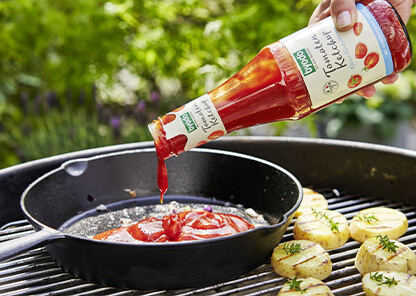
The right marinade for your barbecue ideas
For more variety on the barbecue, we recommend marinating the food in a marinade. Marinades are not only suitable for meat, fish or vegetables, but vegan alternatives such as tofu or seitan can also be marinated and grilled. You can also marinate different types of cheese such as feta or halloumi or fruit such as peaches or bananas.
But what is the basis of a marinade? Which marinades are suitable for which grilled food? And are there any tips for making and using marinades?
We’ll show you how in this article. You’ll also find creative recipe ideas for marinades that make for a special barbecue experience.
Would you like to go straight to the marinade recipes? Then click on one of the boxes:
Which marinade is suitable for which grilled food?
A marinade consists of a mixture of oil, acid such as lemon juice or vinegar, spices, herbs and sometimes sugar. It is used to season meat, fish, vegetables and any grilled food before grilling, adding extra flavor and preserving the juiciness of the food. While strong, spicy marinades are well suited to meat, milder, citrus-based marinades are more suitable for fish. Vegetables, on the other hand, benefit more from spicy oil-based or creamy marinades.
Â
Recipe ideas for the perfect barbecue marinade
No matter which marinade you choose, the process is always the same: Put the food together with the marinade in a storage box. It is important that the food is completely covered in oil and spices. Now put the pickled food in the fridge for a few hours so that the flavors can soak into the food.
The time varies depending on the recipe and marinade. Thinly sliced grilled food such as poultry only needs 30 minutes to an hour, while thicker grilled food such as tougher beef or pork benefits from a longer marinating time of several hours. A steak should therefore be marinated for approx. 3-5 hours. Fish and poultry require less time. After the marinating time, allow the meat to reach room temperature for 1 to 2 hours, pat dry and place on the grill.
Spicy-hot marinade
Our tip for delicious marinated spare ribs, chicken, zucchini or eggplant slices.

Ingredients:
Â
- 3 TABLESPOONS
Byodo chili bell pepper sauce
- 3 TBSP.
Byodo tomato ketchup
- 1/2 tbsp paprika powder, hot
- 1/2 tbsp paprika powder, sweet
Â
Â
Dab the food well after marinating and brush carefully with the remaining marinade several times during the grilling process.
Fruity mango balsamic marinade
The sweet freshness of sun-ripened mangoes combined with the fine acidity of balsamic vinegar: our fruity mango and balsamic marinade is ideal for fish such as tender salmon fillets or vegetable skewers.

Â
Ingredients:
Â
- 30g
Byodo Mango Balsamic Mustard
- 1 TBSP.
Byodo Roast Olive Mediterranean
- 1 tsp honey
- 1/2 TSP
Byodo Premium Sea Salt, fine-grained
Â
Â
Mix the ingredients together and coat the fish, such as salmon, with the mixture. Cover and leave to marinate in the fridge for 30 minutes. Heat up the barbecue and brush the grill with a little cooking oil. Then grill the fish on both sides, turning once.
Basil-lemon marinade
We particularly recommend the fresh basil and lemon marinade for marinating vegetables such as peppers, zucchinis, mushrooms, tomatoes or onions. The lemony marinade is also ideal for light meat such as chicken breast or fish such as salmon fillets or prawn skewers. Tofu also tastes wonderfully aromatic with this marinade.

Ingredients:
Â
- 125 g
Byodo Pesto alla Genovese
- Juice and grated zest of one lemon
- 2 cloves of garlic, finely chopped
- 60 ml
Byodo Roast Olive Mediterranean
- 15 g fresh basil leaves, chopped
- Salt and pepper to taste
Mix the ingredients together and stir well until all the ingredients are evenly combined. Generously coat the grilled food, such as vegetables cut into bite-sized pieces, with the marinade and leave to marinate in the fridge for at least 30 minutes or longer for a more intense flavor.
The divine barbecue sauce "Byodo Style"
This all-rounder is a real professional tip from our chef Sabine from our in-house organic gourmet kitchen. It can be used as a dip and barbecue sauce as well as a marinade for any barbecue food. Sabine has also created the divine Byodo Allrounder vegan, so that it goes perfectly with any vegan barbecue ideas.


Ingredients:
Â
- 5 cloves of garlic
- 250 g
Classic frying oil
- 150 g
Byodo tomato paste double fruit
- 50 g
Byodo mustard, medium hot
- 150 g
Byodo Barbecue Sauce
- 200 g agave syrup
- 1 TABLESPOON
Byodo Condimento Bianco
- 1 tbsp soy sauce
- 3 TSP
Byodo Chili-Paprika Sauce
- 1 TSP
Byodo Premium Sea Salt, fine-grained
- 5 tsp herbes de Provence
- Pepper, freshly ground
- Cayenne pepper
- Paprika, ground sweet
Â
Peel and finely chop the garlic cloves. In a large bowl, mix with all the other ingredients using a whisk. Season again with the spices and the sauce can be used for grilling, marinating or dipping. It tastes even more intense if it is left in the fridge overnight so that the flavors can develop even better.
If you can’t use up the barbecue sauce at the first barbecue evening, the sauce will keep for a few weeks in the fridge. You can also easily freeze the sauce.

Discover our delicatessen sauces!
Â
Who doesn’t love them at a barbecue? The delicious variety of sauces and homemade dips. Whether wonderfully spicy, deliciously fruity or rather sweet – they are ideal with meat, vegetables, grilled cheese and, of course, for dipping bread. Experience your perfect barbecue moment with our delicious delicatessen sauces!
Â
To our variety of saucesThis might also interest you
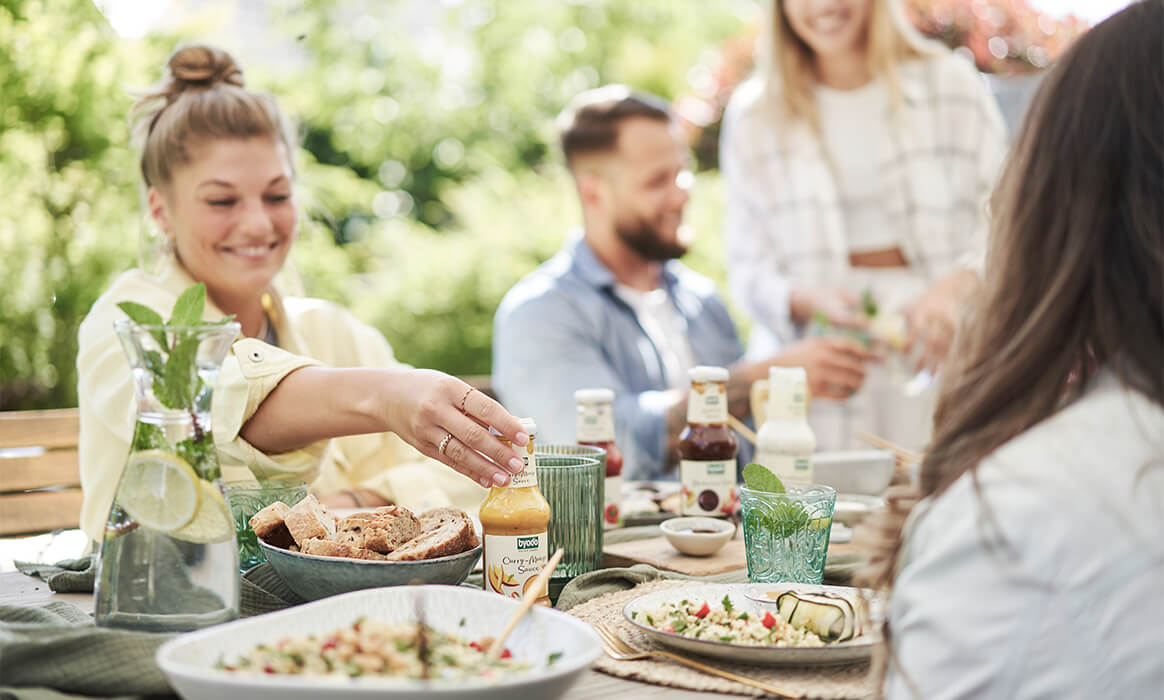
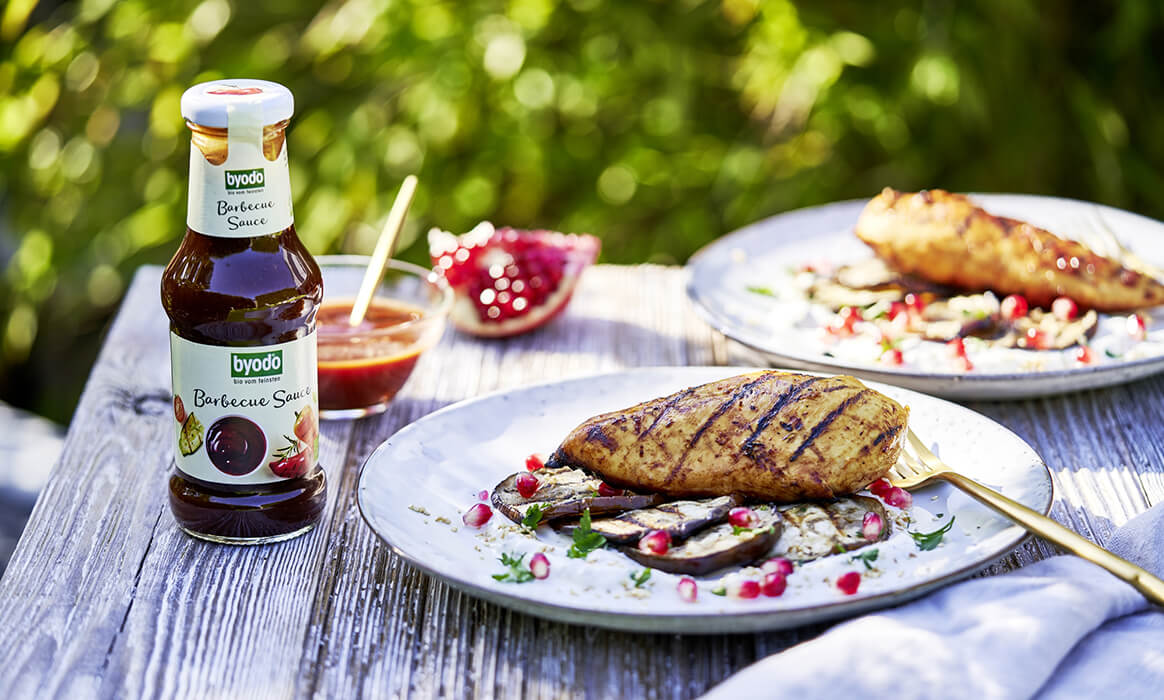
Byodo Roast Olive Mediterranean excellent
Our Mediterranean roast olive receives Best Organic 2024!
The testers of the Schrot&Korn customer survey have tasted and decided: Our aromatic Mediterranean roast olive is Best Organic 2024! This is the 6th time in a row that we have won the coveted award.
Â

Â
Our Roast Olive Mediterranean made from 100% pure organic olive oil was tasted at home by selected organic consumers and assessed using a detailed questionnaire on the criteria of taste, mouthfeel, smell and packaging. The oil scored highly in all categories.
The high-quality organic olive oil reveals its full flavor especially in hot dishes. The wonderful olive flavor makes it particularly suitable for Mediterranean cuisine. Whether for frying, grilling or deep-frying – thanks to the Byo-Protect process, Byodo frying oils can be heated to a high temperature while retaining valuable ingredients.
We are delighted with the excellent feedback on our fine frying olive oil made from 100% organic ingredients. It shows that we are keeping our promise of enjoyment to you and that our intensive quality work is paying off.
About our Mediterranean roast olive
Byodo Roast Olive Mediterranean is a 100% pure organic olive oil with a delicious olive flavor. With the help of the Byo-Protect process, heat-sensitive plant substances are filtered out of the oil as gently and naturally as possible, making it highly heatable.
The frying oil is versatile. It is perfect for frying, grilling and marinating – and goes particularly well with Mediterranean dishes such as risotto, fish dishes and antipasti thanks to its mild olive note. Due to its mild taste, it is also a popular choice for salads as a subtle alternative to extra virgin olive oils.
The Byodo frying oils are available both in our online shop as well as in the organic store near you available.
This might also interest you
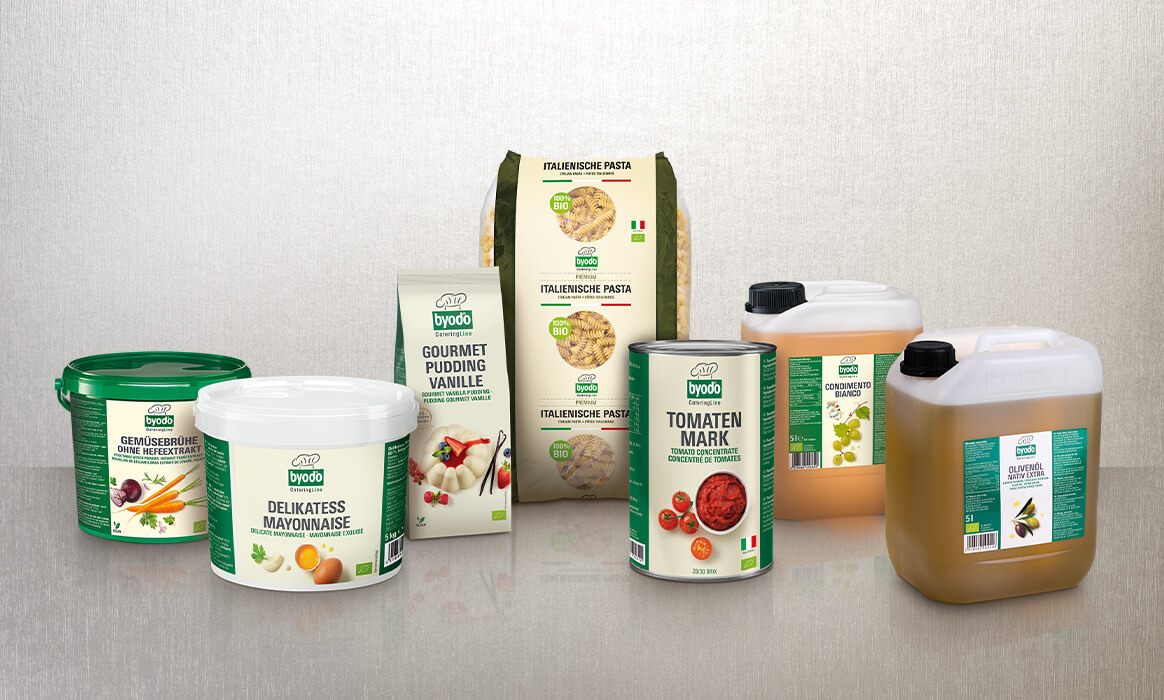
Practical tips for the kitchen
Tips, tricks and methods for the optimal preparation and preservation of food
Shining in the kitchen is not only about creating delicious dishes, but also about getting the best out of ingredients and maximizing their shelf life. It is more important than ever to use food efficiently and sustainably. Our tips on preparing and preserving food will help you with this.
Preparation methods
In the kitchen, there are endless possibilities for transforming food into delicious dishes and intensifying their flavors. Let our tips inspire you and perfect your cooking skills.
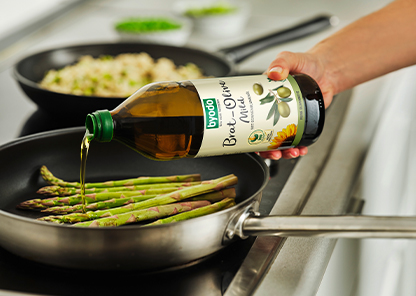
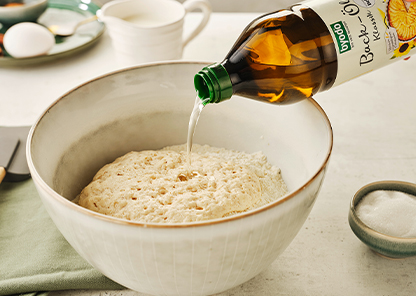
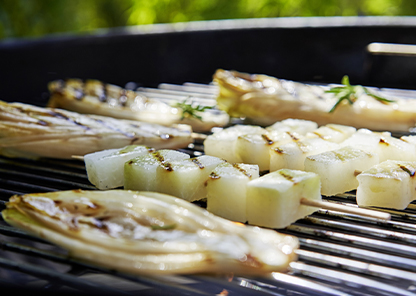
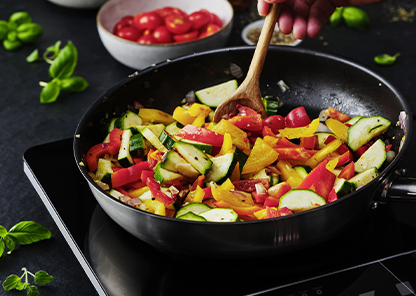
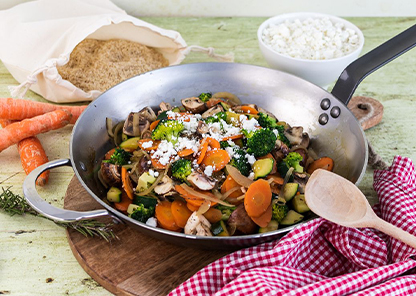
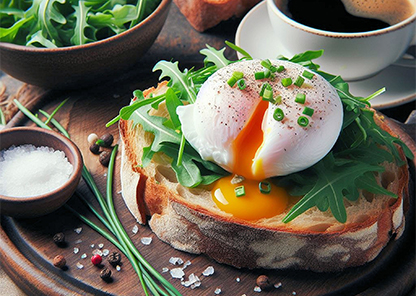
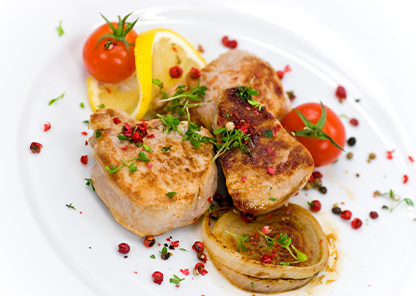
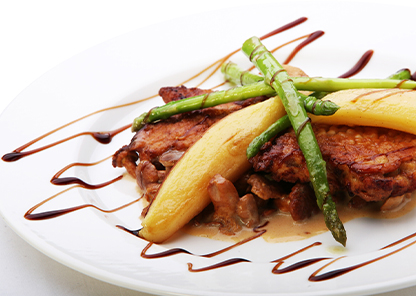
Preserving
Preserving is more than just a method – it is an excellent way of preserving the freshness and taste of food naturally over a long period of time. The great thing about preserving food is that the full flavor of the food is retained and you can access your stock of preserved food at any time.
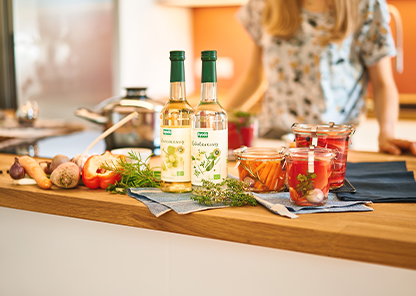
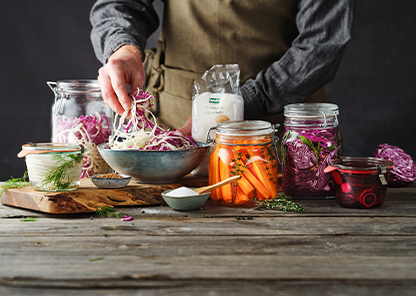
Experience the variety of Mediterranean delights!
NEW: Hand-picked organic extra virgin olive oils
Â
There are over 1,000 varieties of olive – each with its own individual flavor profile. As with a good wine, the interplay of climate and soil also influences the taste of the oil. With the utmost care and sensory expertise, Byodo has selected two new, hand-picked olive oils with the fruity character of Italy and the mild taste of Greece from the wide range of olive varieties and flavor profiles.
Â
The extra virgin olive oil from Italy is characterized by its strong and fresh green flavour. With its balanced bitterness and pungency, it provides fruity moments of pleasure and is particularly suitable for salads or dipping.
Our new extra virgin olive oil from Italy is the perfect ingredient for a delicious flower garden focaccia with our new extra virgin olive oil from Italy.
Â
Discover the taste of Italian olive oil
Â
The
extra virgin olive oil from Greece
impresses with its unique mildness. With its hint of fresh, green aromas, it captures the Greek lightness. The extra virgin olive oil from Greece enhances light dishes, especially Greek specialties, and is also ideal as a dip for bread.
Discover the recipe for the Greek starter dish with our new extra virgin olive oil from Greece.
Â
Discover the pleasure of Greek olive oilAn independent panel of experts tests and evaluates the individual taste profiles of the organic olive oils. In this way, Byodo can ensure that each of the oils authentically embodies its regional character.
The carefully selected olives come from sustainable organic farming and from producers who practice their craft with passion, dedication and love for nature.
Â
The new organic olive oils are now available in the
online shop
or in your trusted organic market.
Would you like to know more about the variety of flavors and the quality of the new organic olive oils? You can get a more detailed insight into the world of olive oils
here
.
This might also interest you
Frying oil range gets a new addition
NEW: Gentle Roast Olive Mild
Â
Our frying oil expertise dates back to 1996. At that time, a market innovation saw the light of day – Byodo Classic Frying Oil made from sunflower oil was the first 100% organic frying oil that could be heated to a high temperature. Since then, we have been constantly expanding our knowledge, always on the lookout for the best product in the best quality.
Â
Now our range of frying oils has grown:

The new
Roast Olive Mild
is a unique oil composition made from high-oleic sunflower oil and extra virgin olive oil. It is ideal for roasting, grilling and deep-frying when a subtle olive note is required to emphasize the flavour of the food.
We filter heat-sensitive plant substances with the
Byo-Protect process
from the oil – gently and naturally. This makes the “Roast Olive Mild” highly heatable. Rounded off with virgin olive oil, it gets its fine, subtle olive note.
The Roast Olive Mild is now available in the
online shop
or in your trusted organic market.
This might also interest you
For a darker night
We switch off the advertising lighting from 9 pm
Â
We have adjusted the burning time of our advertising lighting and support the “Paten der Nacht”, a Germany-wide organization against light pollution. This is because a night illuminated by artificial light disturbs the biorhythm of humans, animals and plants.
“What microplastics are in our oceans, lakes and soil, artificial light is in our atmosphere,” says the organization “Godfathers of the Night”, explaining the problem of light pollution. That is why they are actively campaigning for a reduction in artificial lighting in both the commercial and private sectors. The associated project “10 p.m. – lights out” is specifically about advertising lighting. The organization is trying to persuade companies to switch off outdoor advertising lighting by 10 p.m. at the latest.
Because a responsible approach to the environment is a core corporate value for us, we are participating in this project and adjusted the lighting times at the end of February. We even go one step further by giving the night an extra hour of darkness. In future, the motto at Byodo and in our organic store Feinsinn will be “9 pm – lights out”!
By participating in this project, we also want to encourage other companies to rethink their approach. Because the more companies and private individuals take part, the darker the night becomes and the more the environment benefits.
Â
You can find helpful tips on reducing light pollution at
www.paten-der-nacht.de
.
This might also interest you
The readers' favorites 2023
Byodo organic products convince
Â
The organic food magazines EVE and NATRÃœLICH asked readers about their favorite products from organic food stores. Around 94,500 voted and chose their favorites among the top 100 brands. Our products can also look forward to the title of “Readers’ Favorite 2023”!

The
fruity tomato ketchup without granulated sugar
is the “eve reader favorite 2023”: Real ketchup fans prefer not to eat anything without it, because for them the tomato-based sauce goes with almost everything. Since a conscious diet starts with the right dip, we opted for an organic ketchup without any granulated sugar, sweetened only subtly with agave syrup. 80% tomato paste from organic Italian tomatoes gives it its deliciously intense, fruity taste. The sun-ripened, freshly harvested tomatoes are briefly steamed immediately after washing. This inactivates enzymes and the fruity taste and red color are retained. The tomato puree is then mixed with the other ingredients, gently heated and mechanically processed until the delicious red sauce can be bottled.
Â
Our recipe tip:
Crispy oven fries with homemade French fry salt

A must-have for readers of NATÃœRLICH magazine is the
Byodo Roast Olive Mediterranean
which was one of the winners of the “Naturally Readers’ Favorite 2023”. No wonder, because the combination of a fine olive note and good heat stability makes the oil ideal for frying, grilling and deep-frying, for example Mediterranean dishes. The finest organic olives give it its mild taste. The high oleic acid content of the pure olive oil and the gentle production process ensure good heatability. Like all organic olive oils from Byodo, the Mediterranean Frying Olive is obtained using a nutrient-preserving cold pressing process – naturally from the first pressing. Subsequent steam washing (= gentle deodorization) at low temperatures removes intense colours and flavours from the organic olive oil. This makes it even more heat-resistant.
Â
Our recipe tip:
Vegan Spanish tapas
You too can discover the Byodo “readers’ favorites 2023”
in our online shop
.
This might also interest you
Company cars fill up with solar power from their own roof
Byodo builds new e-charging stations for company cars
At our company headquarters in Mühldorf, we are taking another step towards greater sustainability in order to further reduce our CO2 footprint. The entire company building has been particularly energy-efficient since its construction. Until now, however, a major CO2 factor has been employees’ journeys in company cars. We have therefore decided to further expand Byodo’s e-charging infrastructure. In future, 16 new charging points will be available for the company cars.

Groundbreaking ceremony
The groundbreaking ceremony for the new e-charging stations was held on July 6, 2022. All the work should be completed by the fall and the stations will go into operation. 22 KW will be available at all wallboxes to charge fully electric vehicles from 0 to 100% in around 4 hours. At Byodo, we have also converted 80% of our company fleet from hybrid to electric cars. Only four hybrid vehicles will remain.

Photovoltaic systems on the company building
The electricity for the charging stations is generated directly on the company’s own roof. The photovoltaic systems on the office building and warehouse generate up to 500 kWp at peak times – this corresponds to an annual CO2 saving of around 300,000 kg. Byodo uses most of this electricity itself. For energy requirements above and beyond this, only green electricity is purchased. This means that we completely dispense with fossil fuels at the site.
The new wallboxes at the charging stations were also produced sustainably and in Austria. With the gardening and landscaping company Bitzer & Bernhard from Mettenheim and the master electricians Schindler & Denk from Ampfing, only companies from the immediate vicinity are involved in the construction project.
While the newly built e-charging stations will be available exclusively for Byodo company cars, we also offer public charging stations in the parking lot of our Feinsinn organic store. Charging is also completely free for customers of the organic store – you can activate this function at the charging station with your Feinsinn customer card.
This might also interest you
Organic pasta now in paper packaging
100% enjoyment in 100% recyclable packaging
Â
Not only perfect enjoyment and the best organic quality, but also sustainable packaging play a central role in our organic products. That is why we are switching the packaging of Italian Byodo pasta to paper.
The
lasagne sheets in light-colored
,
wholemeal
and
gluten-free version
and the
cannelloni
were available in cardboard packaging from the outset. The previous plastic-reduced composite packaging for our other pasta varieties is now also being completely replaced by 100% recyclable paper packaging, which can and should be disposed of in the blue garbage can for waste paper.
The new packaging is made of paper with the “FSC Mix” certification. It therefore contains materials from FSC-certified forests, recycled material and material from controlled sources (Controlled Wood). This mix of materials promotes responsible forest management by enabling the parallel processing of both certified and non-certified wood*.
Our love of pasta is particularly evident in the selection of the best raw materials and the Byodo promise of enjoyment. Only sun-ripened, Italian grain in 100% organic quality is used for the 19 durum wheat and 4 emmer semolina varieties. It is always freshly ground and processed into pasta in Italy. Traditional bronze dies slightly roughen the surface of the noodles when pressed so that they later combine perfectly with the sauce.
Â
Byodo and its pasta – a German-Italian love story since 1992.
30 years ago, Byodo founder Michael Moßbacher was one of the first manufacturers to launch light-colored organic pasta on the market. At the time, it was absolutely innovative and required a lot of explanation, because until then only the wholemeal version had been known as organic pasta. Since then, we have maintained a good partnership with our Italian pasta partners and have acquired a wide range of pasta expertise over the past three decades.
Â
*FSC Germany,
www.fsc-deutschland.de/wp-content/uploads/FSC-Kennzeichen-Infopapier-Juni2021.pdf
This might also interest you
Generation change at Byodo
Stephanie Moßbacher takes over sole management of the company
Â
There were some exciting changes at Byodo at the start of 2022. The founder’s daughter Stephanie Moßbacher has been the sole managing director since January. Andrea Sonnberger has stepped down as an active shareholder.
The generational change has already been underway for several years: Stephanie Moßbacher joined her father Michael Moßbacher’s company 6 years ago, held various positions in marketing and product management alongside a management trainee and was most recently responsible for the management of both areas. In October 2018, she also became a shareholder of Byodo and has been Managing Director together with Andrea Sonnberger since September 2020.

Â
Even if we at Byodo are facing different challenges today than we did a good 35 years ago, Stephanie Moßbacher wants to continue the success story in the spirit of her father and Andrea Sonnberger: “Together with the Byodo team, I want to inspire even more people to live a sustainable and enjoyable lifestyle – and thus make a positive contribution to a more sustainable world.” You will therefore continue to be able to enjoy our delicious Byodo products in the usual 100% organic quality and the best taste experience.

Â
Andrea Sonnberger, together with founder Michael Moßbacher, will continue to accompany Byodo. As an active shareholder, she is no longer involved in day-to-day business, but is still involved in strategic, groundbreaking decisions. “Working in partnership with customers, suppliers and employees is at the heart of the Byodo philosophy. As an active shareholder, I would like to continue shaping this common path at Byodo.”
As a “veteran” in our industry, Andrea Sonnberger played a decisive role in shaping the organic movement when she joined the Byodo management team in 1994. Today we say thank you for the 27 years she has put her heart and passion into Byodo and our organic products as Managing Director!
This might also interest you
Deep frying
Deep frying
When deep-frying, the food is “baked” floating in a lot of hot fat. This produces roasted substances and browning of the food. Fat acts as a flavor carrier, making fried food taste particularly delicious.
Which grease or oil should I use?
As the fried food absorbs some of the fat depending on the size of the surface – which is therefore also consumed – it should be a high-quality organic oil. Oils that can be heated to a high temperature are particularly recommended, such as the
organic Byodo frying oils
. The very mild
Organic Frying Oils Classic
and rapeseed hardly give off any flavor to the fried food. In contrast, the Roast Olive Mediterranean or the frying oil with sesame oil deliberately enhance the food with subtle notes of olive oil or sesame. The
Rapeseed frying oil
also has a particularly high proportion of polyunsaturated fatty acids.
How do I deep-fry properly?
The most convenient way to prepare fried food is in the deep fryer. Alternatively, a deep pan in combination with a kitchen thermometer is also suitable.
The oil is slowly heated to a temperature of 160 – 175 °C and should not exceed 180 °C if possible. The fried food should be dry and loose crumbs, e.g. from the breading, should be shaken off beforehand so that they do not collect in the frying fat. The food must have enough space to float, so do not put too much into the frying fat at once. This would also greatly reduce the temperature of the fat and the frying result would not be optimal.
What can be deep-fried?
In addition to meat and fish, it is mainly vegetables that are deep-fried – the best-known food is French fries. Deep-frying also gives sweet dishes such as quark balls, doughnuts or other lard pastries their typical taste. Deep-fried kale, deep-fried zucchini flowers or wafer-thin, deep-fried vegetable strips also make delicious toppings for a wide variety of dishes.
What do I do with the oil after frying?
The frying fat can be reused several times. If a high-quality oil has been used for frying, this is simply poured through a fine sieve after cooling to remove any residue from the fried food. It can then be poured back into the bottle and used again for the next frying process. Foods with a strong taste of their own will also release this into the frying oil and thus influence how often or for what the fat can be reused.
Alternatively, fat or frying oil once used for deep-frying can also be used as usual for frying and cooking and thus gradually used up.
Â
Source: DGF frying recommendations
Our recipe tips
Caution – hot & delicious! Try the crispy onion rings baked in beer batter from our “Bavarian tapas” recipe or the deep-fried falafel.
15 min.
Leicht
Vegetarian
15 min.
Mittel
Vegetarian
60 min.
Mittel
Vegetarian
30 min.
Mittel
Vegetarian
20 min.
Mittel
Vegan
40 min.
Mittel
Vegan
5 min.
Leicht
Vegetarian
40 min.
Mittel
Vegetarian
30 min.
Mittel
Vegetarian
20 min.
Leicht
Vegetarian
35 min.
Mittel
Vegetarian
35 min.
Leicht
Vegan
50 min.
Leicht
Vegan
20 min.
Mittel
Vegan
80 min.
Schwer
Vegan
35 min.
Leicht
Vegan
45 min.
Mittel
Vegan
50 min.
Leicht
Vegan
65 min.
Mittel
Vegan
30 min.
Leicht
Vegan
30 min.
Mittel
Vegan
60 min.
Leicht
Vegan
15 min.
Leicht
Vegan
40 min.
Leicht
Vegan
20 min.
Mittel
Vegetarian
100 min.
Mittel
Vegan
90 min.
Mittel
Vegetarian
55 min.
Mittel
270 min.
Mittel
65 min.
Mittel
Vegan
30 min.
Mittel
Vegetarian
60 min.
Leicht
Vegan
30 min.
Leicht
Vegan
45 min.
Mittel
Vegan
60 min.
Mittel
Vegan
1530 min.
Leicht
Vegan
30 min.
Leicht
Vegan
480 min.
Mittel
Vegetarian
10 min.
Leicht
Vegan
3 min.
Leicht
Vegan
Vegetarian
30 min.
Leicht
60 min.
Leicht
Vegetarian
20 min.
Leicht
Vegetarian
20 min.
Leicht
Vegetarian
50 min.
Mittel
15 min.
Leicht
Vegan
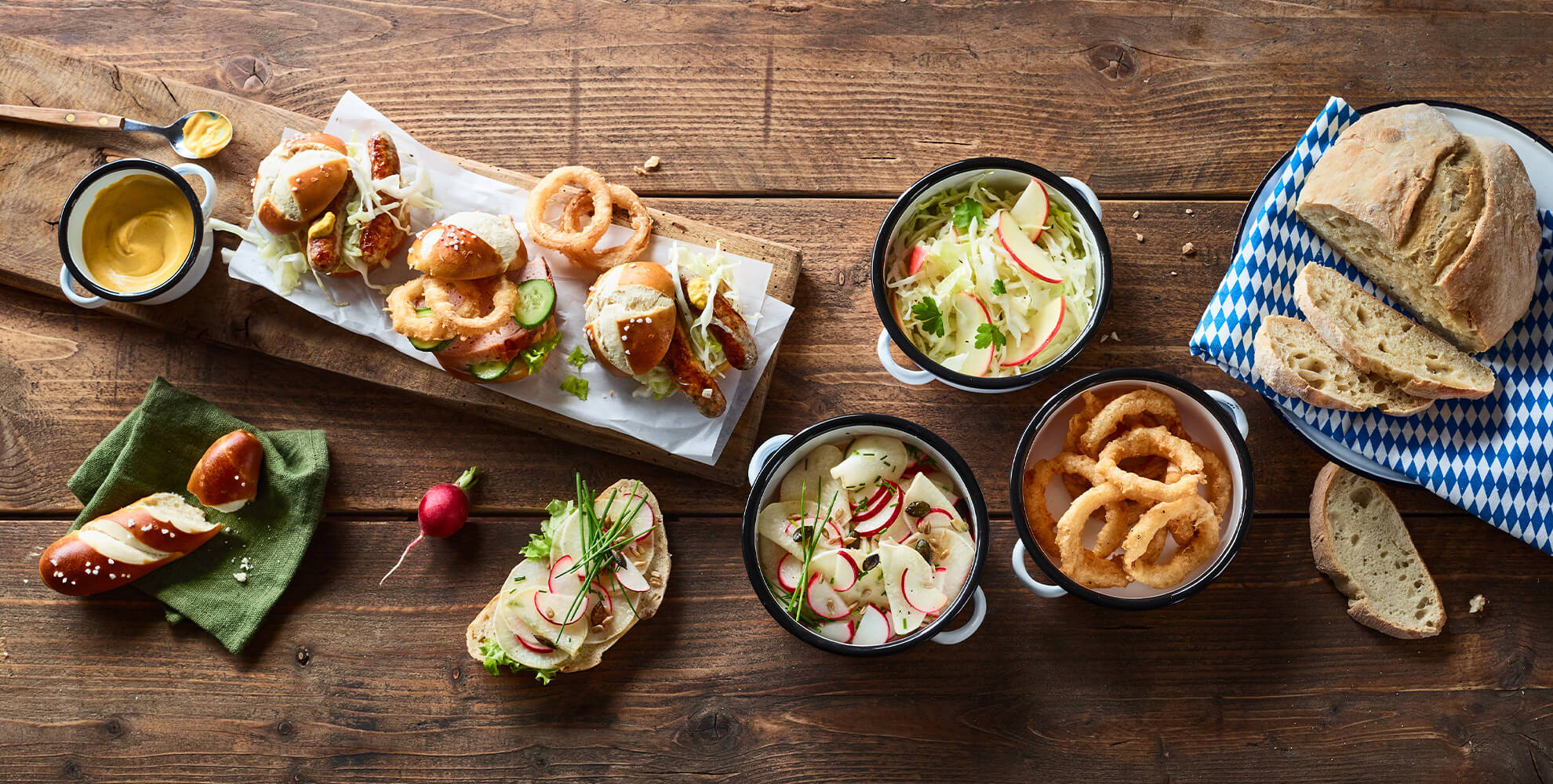
240 min.
Schwer
Vegetarian
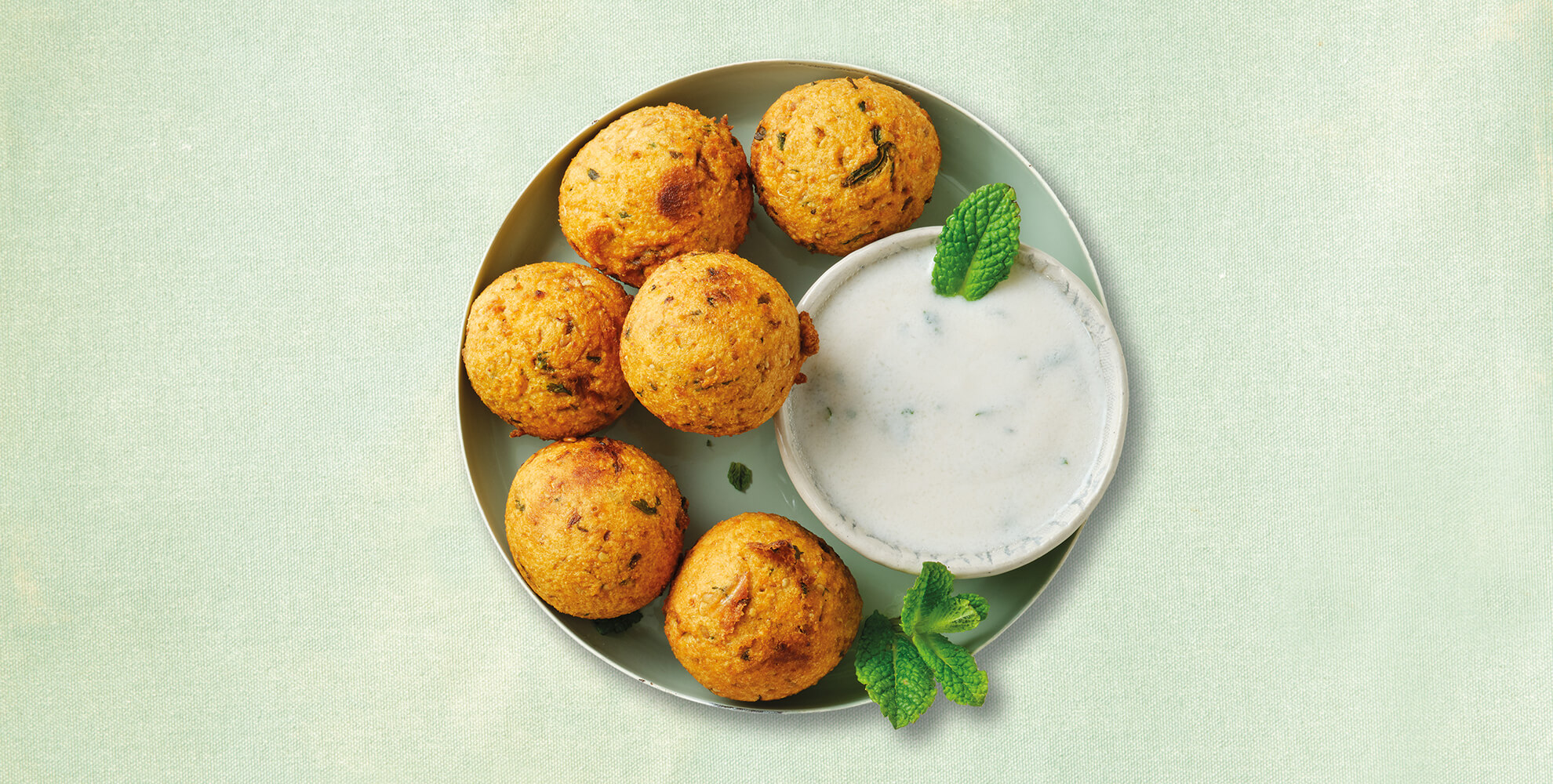
min.
Leicht
Vegan
Cooking
Cooking means cooking in liquid, whereby the temperature is at the boiling point (water 100 °C). It can also be cooked in meat or vegetable stock. Almost all foods are suitable for cooking.
Â
Cold or hot approach when cooking?
The product to be cooked is either prepared cold, i.e. added to the cold liquid and heated together to boiling point, or added to the already boiling liquid (hot preparation).
During cold preparation, the flavors and ingredients of the product are leached out, i.e. they are transferred to the cooking liquid. This process is used, for example, to make meat or vegetable broths, stocks or jus.
During the hot preparation process, the food is placed in the boiling liquid with the aim of quickly closing the pores of the meat or vegetables.
When cooking, a distinction is made between bubbling cooking, e.g. when cooking pasta, and simmering, i.e. cooking without large bubbles of steam to gently finish cooking the food.
Â
What is the difference between blanching and cooking?
A special form is blanching, in which the product – usually vegetables – is only placed in boiling water for a short time in order to influence certain microorganisms or enzymes and thus prevent discoloration or spoilage.
It is usually a pre-treatment and the goods are then processed further.
Our recipe tips
15 min.
Leicht
Vegetarian
15 min.
Mittel
Vegetarian
60 min.
Mittel
Vegetarian
30 min.
Mittel
Vegetarian
20 min.
Mittel
Vegan
40 min.
Mittel
Vegan
5 min.
Leicht
Vegetarian
40 min.
Mittel
Vegetarian
30 min.
Mittel
Vegetarian
20 min.
Leicht
Vegetarian
35 min.
Mittel
Vegetarian
35 min.
Leicht
Vegan
50 min.
Leicht
Vegan
20 min.
Mittel
Vegan
80 min.
Schwer
Vegan
35 min.
Leicht
Vegan
45 min.
Mittel
Vegan
50 min.
Leicht
Vegan
65 min.
Mittel
Vegan
30 min.
Leicht
Vegan
30 min.
Mittel
Vegan
60 min.
Leicht
Vegan
15 min.
Leicht
Vegan
40 min.
Leicht
Vegan
20 min.
Mittel
Vegetarian
100 min.
Mittel
Vegan
90 min.
Mittel
Vegetarian
55 min.
Mittel
270 min.
Mittel
65 min.
Mittel
Vegan
30 min.
Mittel
Vegetarian
60 min.
Leicht
Vegan
30 min.
Leicht
Vegan
45 min.
Mittel
Vegan
60 min.
Mittel
Vegan
1530 min.
Leicht
Vegan
30 min.
Leicht
Vegan
480 min.
Mittel
Vegetarian
10 min.
Leicht
Vegan
3 min.
Leicht
Vegan
Vegetarian
30 min.
Leicht
60 min.
Leicht
Vegetarian
20 min.
Leicht
Vegetarian
20 min.
Leicht
Vegetarian
50 min.
Mittel
15 min.
Leicht
Vegan
240 min.
Schwer
Vegetarian
min.
Leicht
Vegan
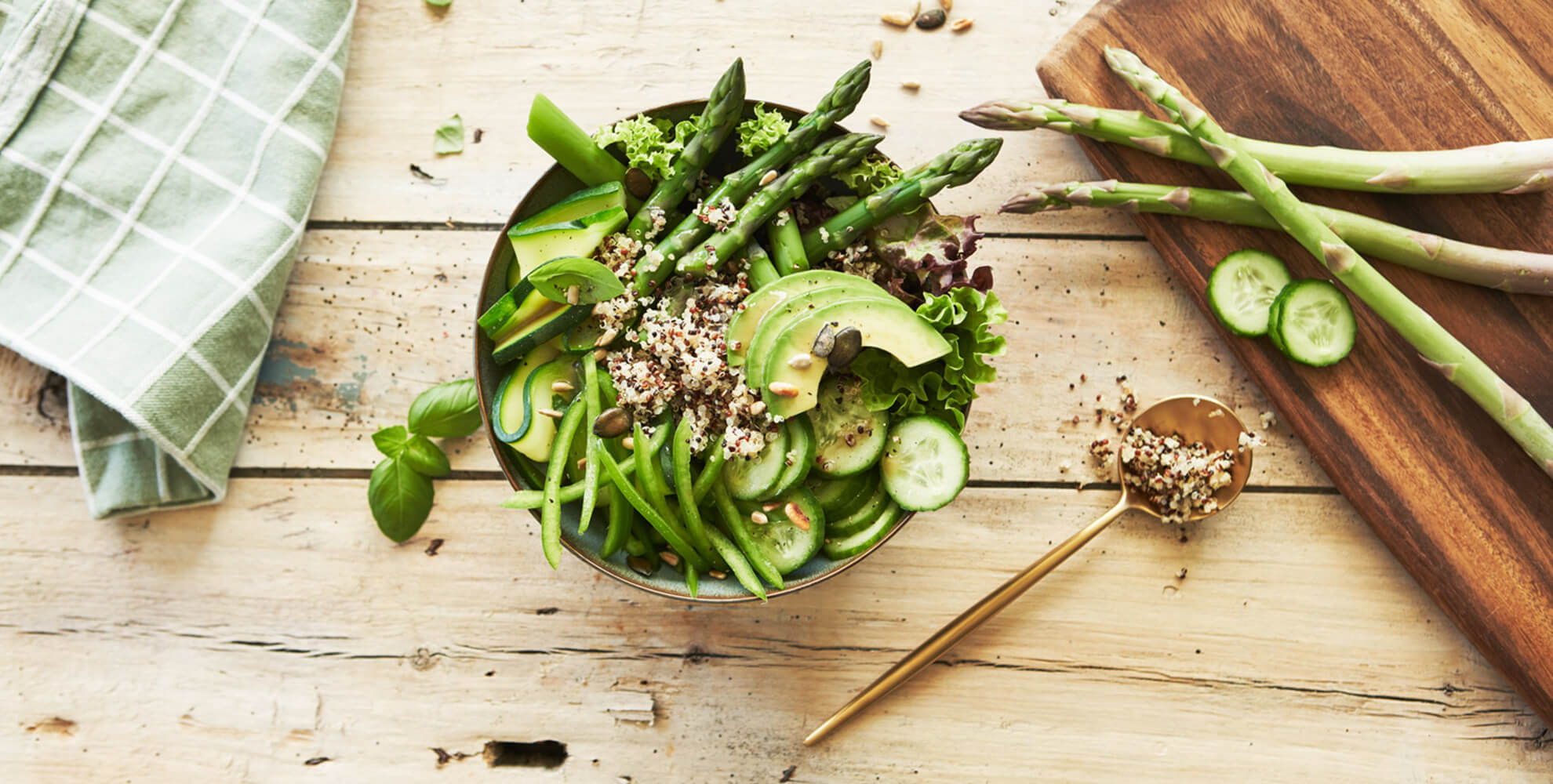
45 min.
Leicht
Vegan
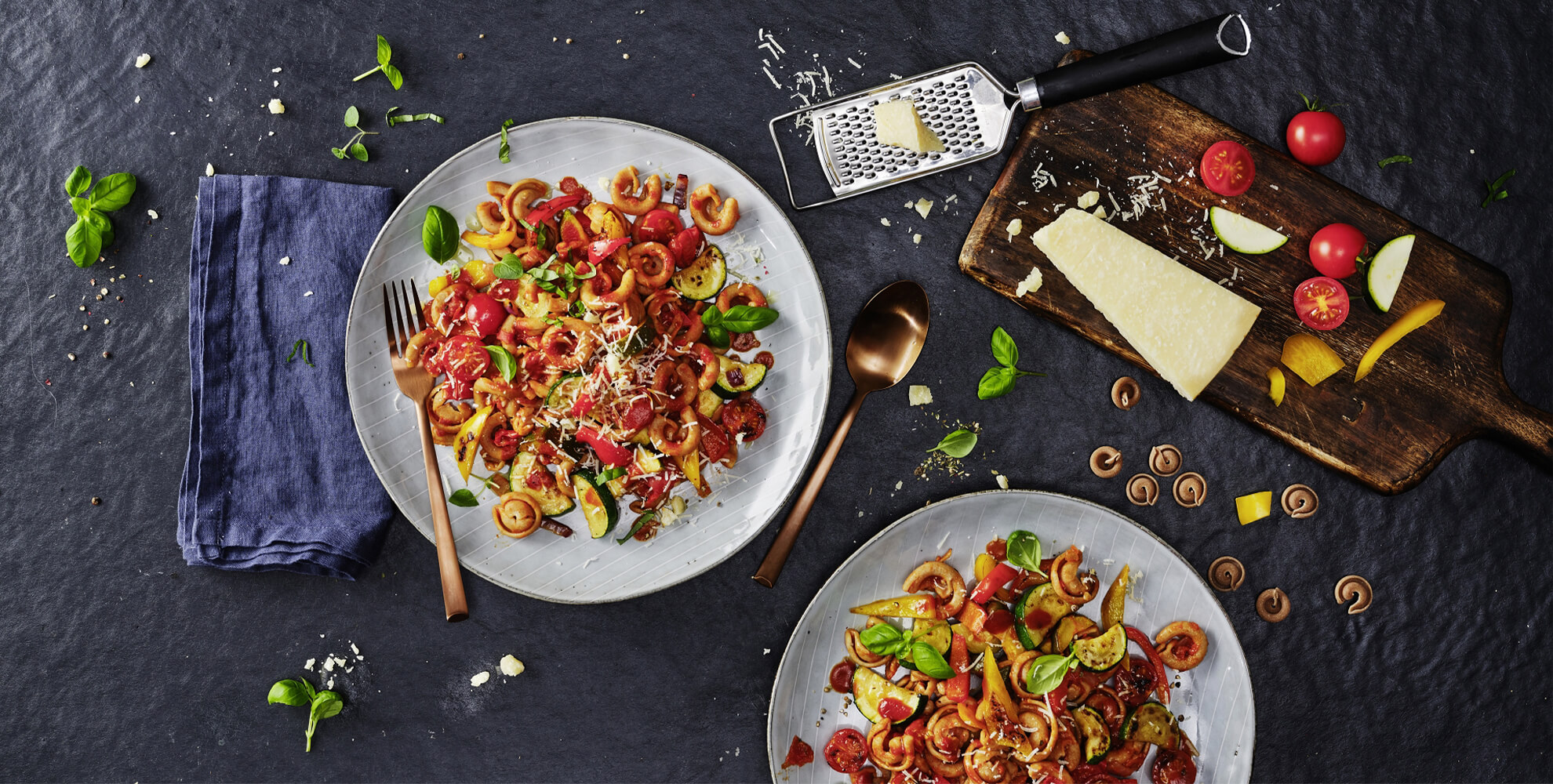
60 min.
Mittel
Vegan
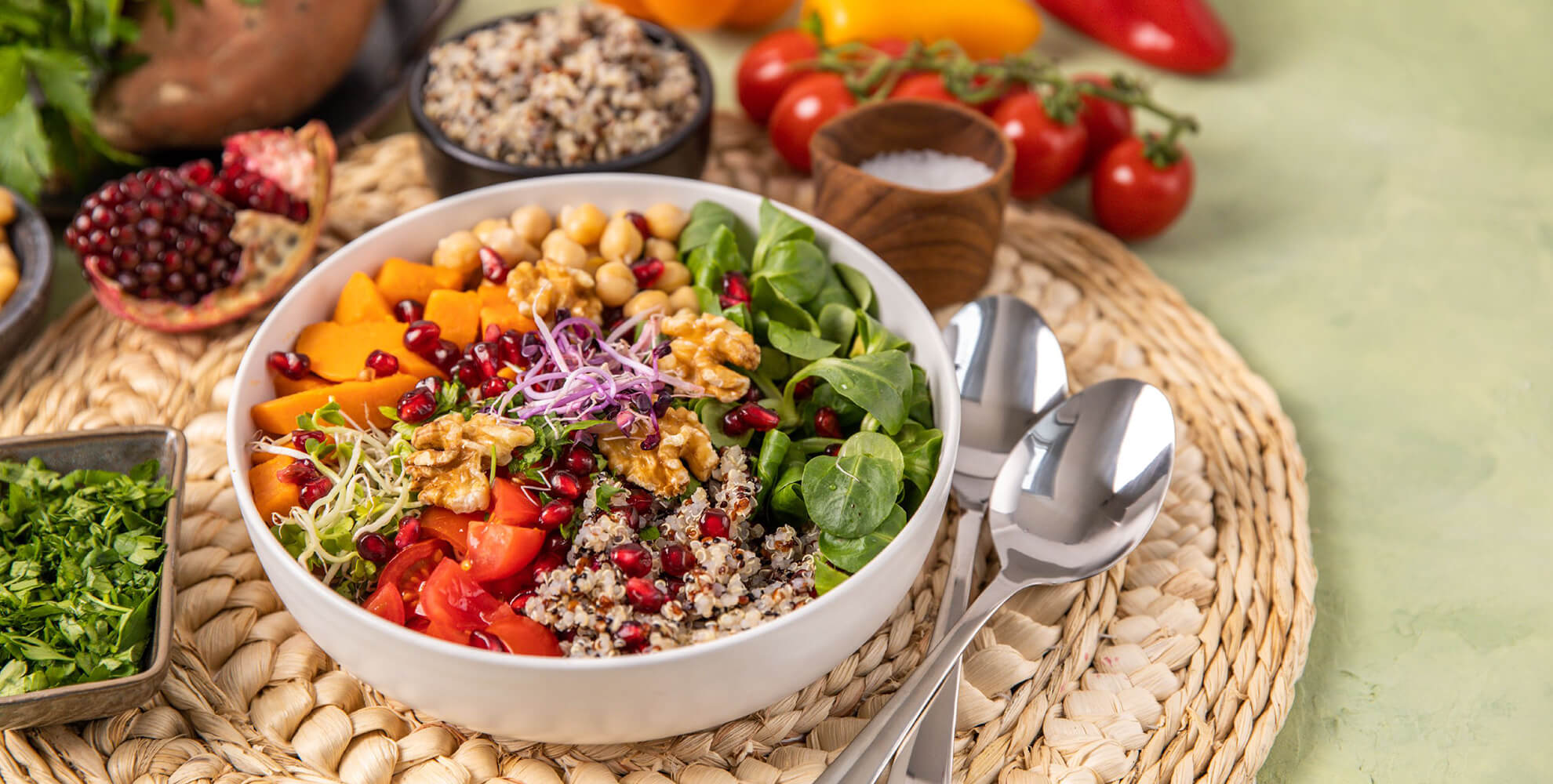
25 min.
Leicht
Vegan
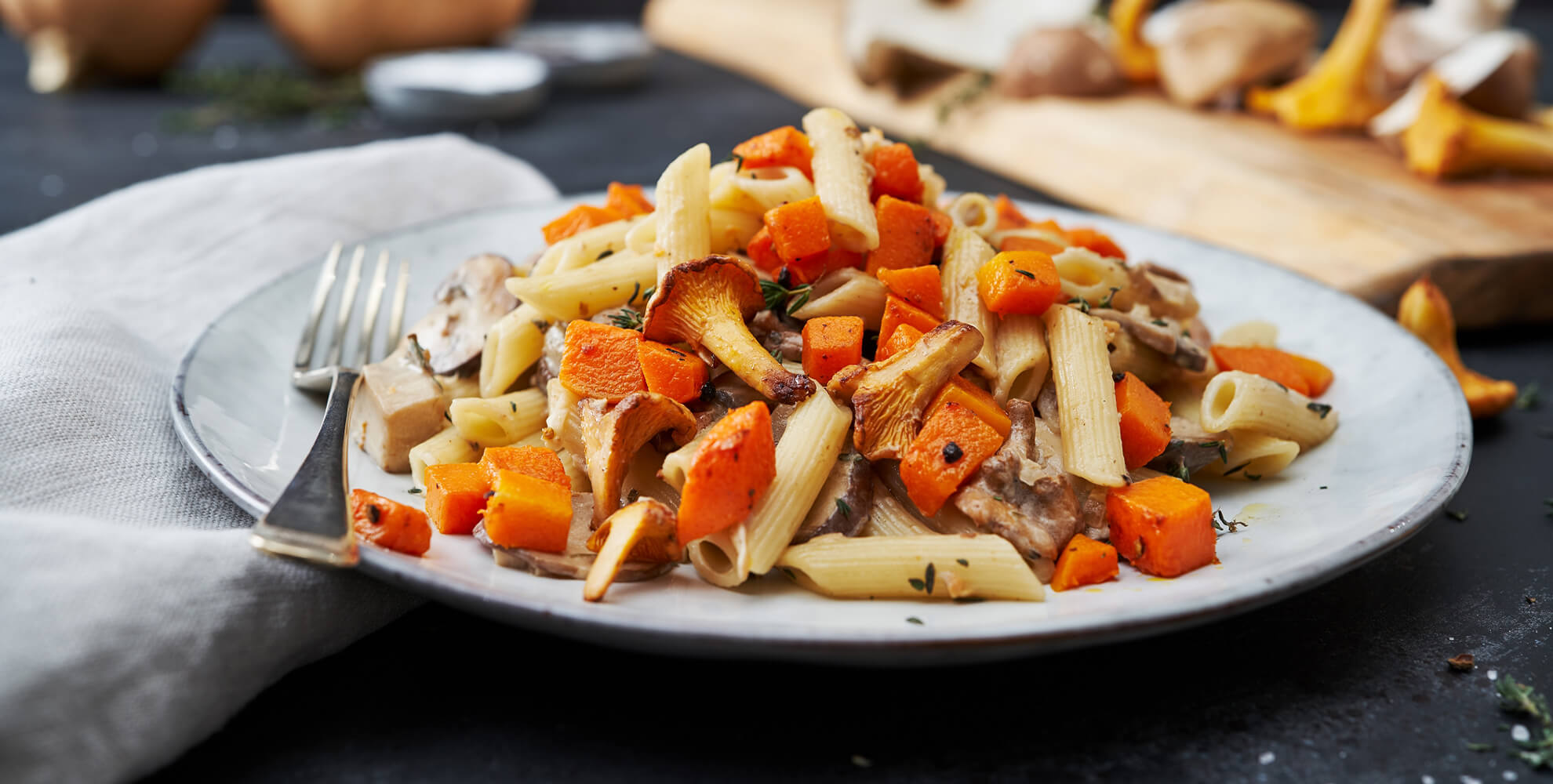
60 min.
Mittel
Vegetarian
Steaming
Very similar to boiling, it is steamed in liquid, e.g. in vegetable stock or wine, but in very little liquid, often with the addition of fat. Steaming is a very gentle, healthy preparation method.
Â
How does steaming work?
A small amount of liquid is heated to boiling point in a pan with a little fat added, the food to be cooked is placed in the pan and cooked in a closed container either on the stove or in the oven.
Fish or meat, for example, is also often cooked in aluminum foil. This method also allows herbs and spices to be absorbed into the food.
Â
Which foods can be steamed?
Steaming is particularly suitable for delicate foods such as vegetables, fish or tender meat. It allows them to retain their natural flavors and nutrients while they are gently cooked.
You can also add herbs, spices, lemon zest or other flavors to the liquid with the cooking food to enhance the taste of the food.
Â
Poaching (cooking)
Poaching is a gentle cooking process in which food is cooked in liquid at a low temperature. The product is placed in the liquid at below 100 °C and should be kept at around this temperature.
Â
Which foods are suitable for poaching?
Poaching is a particularly good method for preserving the structure of delicate foods such as fish, dumplings, sausages, poultry, fruit and eggs.
Â
How do I poach a perfect egg?
To prepare a poached egg, bring water to the boil in a pan with a dash of vinegar, form a whirlpool in the water and carefully poach the egg in it until the white is firm but the yolk is still soft. In our recipe “
Wild garlic foam soup with poached egg
“, star chef Alex Huber tells you how to prepare a perfectly poached egg and what to look out for.
Â
Which liquid can be used for poaching?
For savory dishes, water with a little vinegar, white wine or broth can be used to improve the taste. For sweet dishes, water can be flavored with sugar, lemon juice or fruit juice.
Â
Can several foods be poached at the same time?
Yes, several foods can be poached at the same time as long as they have similar cooking times. However, make sure you leave enough space in the pot so that the food can move freely.
Â
How can I prevent the food from falling apart when poaching?
Use fresh, high-quality food and poach it gently at a low temperature. Make sure that the liquid does not boil too much to prevent the food from falling apart.
Â
Â
Roasting, baking
When roasting, the food is seared at high temperatures and then cooked either on the stove or in the oven. They are baked dry in the oven at temperatures of up to 250 °C.
Â
What should be considered when frying?
Meat in particular should be seared at high temperatures. The proteins caramelize on the surface of the meat and give it a roasted, tasty crust. The temperatures range from 180 °C to over 200 °C.
This method is also used for other protein-rich foods such as fish – but also for vegetables. After browning the meat, the temperature is reduced considerably and the meat is slowly roasted in the oven at a low temperature. This produces tender and juicy roasts.
Â
What should I bear in mind when baking?
In addition to cakes and bread, they also bake pies, casseroles, potatoes, soufflés, puff pastry dishes, pizzas and cookies.
Baking in the oven produces a brown surface (crust). The sugar contained in the food caramelizes, releasing the fragrant and tasty aromas.
Our recipe tips
15 min.
Leicht
Vegetarian
15 min.
Mittel
Vegetarian
60 min.
Mittel
Vegetarian
30 min.
Mittel
Vegetarian
20 min.
Mittel
Vegan
40 min.
Mittel
Vegan
5 min.
Leicht
Vegetarian
40 min.
Mittel
Vegetarian
30 min.
Mittel
Vegetarian
20 min.
Leicht
Vegetarian
35 min.
Mittel
Vegetarian
35 min.
Leicht
Vegan
50 min.
Leicht
Vegan
20 min.
Mittel
Vegan
80 min.
Schwer
Vegan
35 min.
Leicht
Vegan
45 min.
Mittel
Vegan
50 min.
Leicht
Vegan
65 min.
Mittel
Vegan
30 min.
Leicht
Vegan
30 min.
Mittel
Vegan
60 min.
Leicht
Vegan
15 min.
Leicht
Vegan
40 min.
Leicht
Vegan
20 min.
Mittel
Vegetarian
100 min.
Mittel
Vegan
90 min.
Mittel
Vegetarian
55 min.
Mittel
270 min.
Mittel
65 min.
Mittel
Vegan
30 min.
Mittel
Vegetarian
60 min.
Leicht
Vegan
30 min.
Leicht
Vegan
45 min.
Mittel
Vegan
60 min.
Mittel
Vegan
1530 min.
Leicht
Vegan
30 min.
Leicht
Vegan
480 min.
Mittel
Vegetarian
10 min.
Leicht
Vegan
3 min.
Leicht
Vegan
Vegetarian
30 min.
Leicht
60 min.
Leicht
Vegetarian
20 min.
Leicht
Vegetarian
20 min.
Leicht
Vegetarian
50 min.
Mittel
15 min.
Leicht
Vegan
240 min.
Schwer
Vegetarian
min.
Leicht
Vegan
45 min.
Leicht
Vegan
60 min.
Mittel
Vegan
25 min.
Leicht
Vegan
60 min.
Mittel
Vegetarian
65 min.
Mittel
Vegan
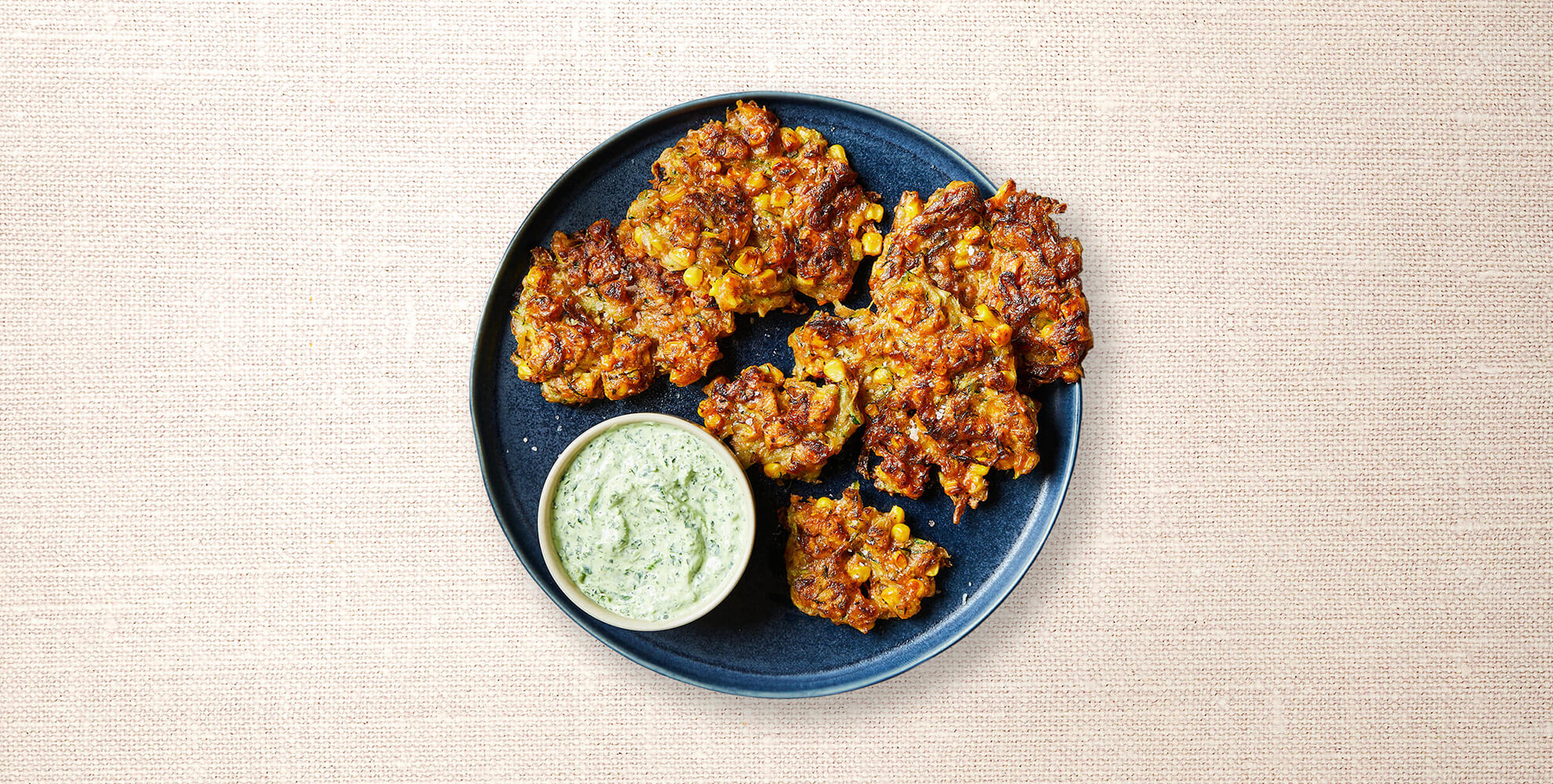
30 min.
Leicht
Vegetarian
60 min.
Mittel
Vegetarian
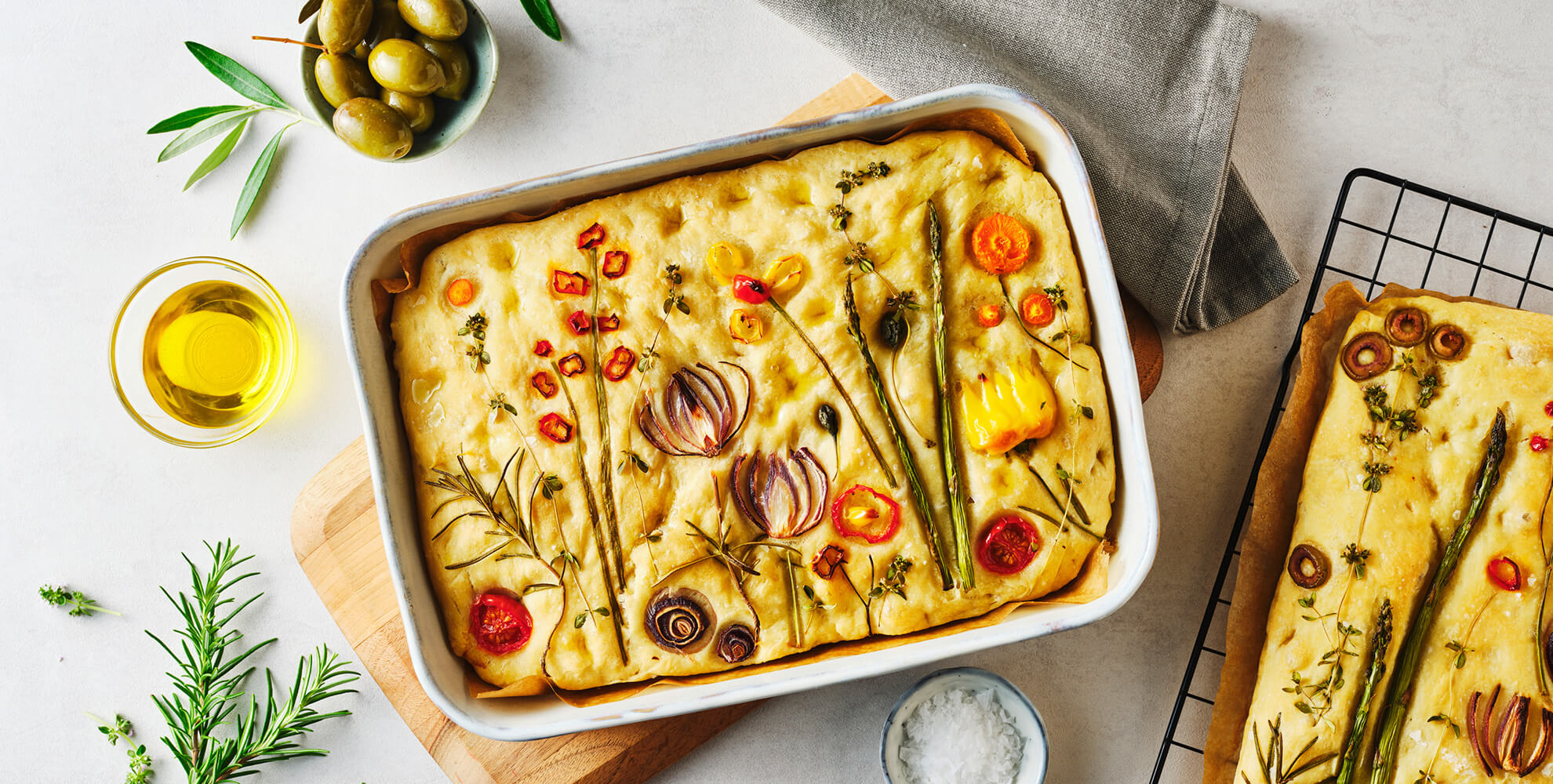
180 min.
Mittel
Vegan
Sauté
Sautéing is a quick cooking method in which chopped food is fried in a hot pan with little fat over a high heat. By skillfully swirling the pan, the food is constantly turned and cooked to perfection. It is particularly suitable for thinly sliced meat, vegetables and seafood.
Meat and vegetables are also cooked in the wok in this way. This makes optimum use of the special shape of the wok, whose temperature zones range from very hot in the middle to almost lukewarm at the edge.
Â
Which fat should be used for sautéing?
Heat-resistant fats such as our
high-heat frying oils
or butter should be used. However, the fat should not be heated too much to avoid burning.
Â
How do I prevent the food from sticking or burning when sautéing?
Make sure the pan and fat are hot enough before adding the food. In addition, the food should be fried in small portions to avoid overcrowding the pan and the pan should be swirled regularly.
Â
Which spices and flavors are best for sautéing?
Herbs, spices, garlic, ginger or even citrus zest are ideal for sautéing and can simply be added to the pan. However, the spices should only be added at the end of the cooking process to avoid burning.
Roasting
Roasting is a dry cooking method in which food is cooked in the oven or in a pan at high temperatures (up to 300 °C) without adding fat. Constant movement prevents burning. Aromatic roasting substances are produced during roasting. Nuts, vegetables, seeds, bread, meat and coffee beans are often roasted.
Â
What temperature should be reached when roasting and how long should food be roasted?
The exact temperature depends on the food to be roasted. In general, however, the roasting temperature is between 175°C and 220°C, with higher temperatures ensuring shorter cooking times and crispier results.
The cooking time also varies depending on the type and size of the food. It is important to check, move and turn the food regularly to ensure that it is roasting evenly.
Â
Which spices and flavors are best for roasting?
Herbs, oil or even honey and maple syrup can easily be used for roasting. However, they should only be added towards the end of the roasting process to avoid burning, especially the spices.
Braise
Braising is a combination of frying and boiling/steaming. The food is first fried and then cooked or steamed. The food is usually cooked in the oven, adding enough liquid (water, stock or wine) to cover it about halfway.
It is particularly suitable for tough cuts of meat such as beef, pork or poultry (braised meat, roulades) as well as vegetables such as red cabbage, savoy cabbage or root vegetables.
Â
What type of cookware should I use for braising?
A casserole or roasting pan with a tight lid is ideal, as it allows the heat to be distributed slowly and evenly. In any case, the pot should be large enough to hold the food in a single layer.
A braisière is also often used, which is a cast iron pan with a lid that can also be used for steaming.
Â
What liquid should be used for braising and how long should it be braised for?
Stock, wine, beer, tomato sauce or simply water can be used for braising. In any case, the liquid should cover about half of the stewed food.
The cooking time naturally depends on the type and size of the stew. While tough meat can be braised for several hours, vegetables often become tender in less than an hour. It is important to check and turn the stew regularly to ensure that it is cooked evenly. Spices such as herbs, garlic or onions should be added at the beginning of the cooking process to intensify the flavor.
Â
What is the difference between poaching and braising?
A special form is poaching, where the braising process is reversed. First they are steamed and at the end of the cooking time the lid is opened and roasted at a higher temperature or grilled in the oven. The process is also known as “light brown steaming”. It is often used in the preparation of poultry. The skin becomes crispy without the meat drying out too much.
Freeze
Freezing preserves the flavor and nutrients of the food very well. But even frozen food does not keep forever. The processes are only slowed down. This method costs energy both during freezing and storage.
Â
Which foods are suitable for freezing?
A number of foods are not suitable for freezing, e.g. leaf lettuce, tomatoes and cucumbers, radishes, radishes and raw onions, various types of fruit such as bananas and apples, yoghurt, quark and cream cakes, and fruit cakes with icing.
As a rule of thumb, the more watery fruit or vegetables are, the more likely it is that they should not be frozen. When freezing with standard household refrigerators, long ice crystals form which penetrate the cell walls. For this reason, water escapes during defrosting and the product becomes “mushy”.
Â
What is a freezer burn?
Freezer burn can develop over the course of the storage period, which significantly deteriorates the quality or makes the product inedible. Freezer burn refers to the occurrence of dried out edge layers in frozen food. They are usually white to gray-brown in color. Freezer burn primarily forms in areas that are exposed to fresh air, mainly due to leaking packaging. The name comes from the resemblance to actual burnt areas.
Â
How do you freeze properly?
The frozen food should be shock-frozen if possible, which would correspond to a temperature of at least -24 °C. If the freezer does not have a corresponding function, the usual -18 °C is still sufficient, but it should not be less.
Sensible labeling of the frozen food is very important. It is best to label each food item with a best-before date and a name so that you don’t lose track. The basic rule is not to exceed 6 months for very fatty foods and 18 months for all other foods.
As fat freezes less well, it also becomes rancid after a certain time when frozen.
Â
Which packaging makes sense?
The frozen food should always be packed in such a way that no ice crystals can form on the food, which can cause the dreaded freezer burn. So choose packaging that is as tight-fitting and sealed as possible. There are special freezer bags and freezer containers for this purpose.
If you have a household vacuum machine, you can make good use of it here.
Â
Our tips:
- First pre-freeze the strawberries individually on a tray and then place them in freezer bags so that they keep their shape, don’t get mushy and can be removed individually.
- Certain vegetables must be blanched before freezing, i.e. briefly put in boiling water and then allow to drain (e.g. green beans).
- In summer, fresh herbs can be frozen for the winter. Once cleaned and dried, they are packed airtight and frozen.
- Another method is freezing with the help of ice cube trays. To do this, cut the clean, dry herbs into small pieces, fill them into the compartments of the ice cube tray, pour in water and freeze. Then transfer to a freezer bag. This means they can be removed in portions at any time.
- If you make stocks or jus, you can also freeze them in ice cube trays for use in portions. Do not forget the labeling to avoid confusion.
Curing, salting
Heavy salting also protects food from spoiling. With this method, the salt removes the water from the food. And without water, putrefactive bacteria and mold have no chance. Meat in particular is preserved in this way.
Â
Which salt should be used for salting?
For industrially cured meat, so-called nitrite curing salt is used, which prevents bacteria from multiplying thanks to its special chemical composition and at the same time gives the meat an attractive red color. However, nitrites can react with amino acids to form nitrosamines, which are suspected of being carcinogenic. Therefore, in the organic sector, salting with pure organic sea salt from Byodo is preferred in the organic sector.
The taste of salted foods is so salty that they often need to be soaked before consumption. On the other hand, the salt can bind aromas, for example from herbs, and it is well suited as a quick seasoning for soups, sauces, etc.
Â
How do you salt properly?
The two main processes in the private sector are the dry and wet processes.
In the drying process, for example, the meat is rubbed with salt and stored in layers. Reallocate about once a week. The tissue fluid is absorbed and a natural brine is created in which the meat matures for up to 6 weeks. Although this process takes a very long time, it has the highest durability effect.
You need 40 g of salt for 200 g of fresh herbs. The herbs are washed, dried and mixed with the salt. Press the mixture firmly into small screw-top jars, seal and store in a cool, dark place. Lactic acid fermentation works in a similar way in the production of sauerkraut or salted beans. Use 20 g of salt per kg.
In the wet process, the meat is placed in a pre-prepared brine. Depending on the recipe and the food used, a 3-20% brine is used. Cheese requires less salt than meat. The salt content of the brine and the cell water of the pickled product become more and more similar until the salt concentration is at the same level. This process is around a third faster than the dry process.
Glass jars with screw lids or swing tops, but also earthenware pots are well suited for storage.
Â
Which foods can be salted?
Meat (curing) and fish. Salted herring or matjes, anchovies and sprats. In southern Germany, this is also how the delicious surfleisch is made.
Herbs are also suitable for salting. Lactic acid vegetables, such as sauerkraut and green beans, are also produced by salting. The same goes for root vegetables, which can later be used to refine sauces and soups.
Capers, olives, peppers, vegetables with herbs and spices or cheese can also be pickled in brine.
Drying
The removal of moisture, or drying, is one of the oldest methods of preservation.
Air drying in particular is an energy-saving form of food preservation. In this process, water is removed from the food at normal air temperatures and without any additional heat being added. The process is also known as drying. Optimally dried fruit has around 13-14% residual moisture. Bacteria die of thirst as soon as the water content falls below 35%, while many molds are only killed at 14%. But even in a range of around 20-25% residual moisture, the food will keep for longer and spoil or go moldy much more slowly.
The taste is retained and sometimes even intensified.
Â
How do you dry properly?
The food is spread out on a grid or slatted frame or tied to twine and exposed to circulating air on warm days, protected from rain and direct sunlight.
The slatted frame used used to be called a kiln, hence the term “drying”. An airy, clean attic or the area above a tiled stove are ideal for drying. A less ecological method is drying in the oven at max. 50 °C with circulating air. The residual heat after baking or roasting can be used to good effect.
There are also special dehydrators for sale that also deliver satisfactory results at prices under €100.
Â
What is particularly suitable for drying?
Herbs, mushrooms, pulses (beans, peas, lentils), fruit (apple rings, raisins, plums, figs, etc.), cereals.
Of course, meat and fish are also suitable for drying. However, before you start this experiment, you should definitely obtain more detailed information.
Â
Our tips:
- A metal fly screen from the DIY store, which is stretched over a simple picture frame, is well suited for drying.
- Dry herbs in early summer when they are at their most aromatic.
- If fruit is dried outdoors, protect it from insects and flies with a grid or cloth from above.
Steaming
Steaming is a gentle cooking method in which food is cooked over boiling water or hot steam without coming into direct contact with the water. In addition to saving time, the loss of vitamins is also reduced due to the short cooking time, making steaming a gentle form of cooking.
Â
What needs to be considered?
For steaming, use a steamer insert or a steamer to place the food over boiling water. It is important that the cooking pot is closed when steaming so that the steam can circulate evenly and cannot escape so quickly.
Steaming in a pressure cooker is a special form of cooking. The hermetically sealed pot generates additional pressure, which greatly accelerates the cooking process.
Â
Which foods are best suited to steaming?
Steaming is particularly suitable for vegetables, fish or poultry and even some types of desserts. It is important to combine foods with similar cooking times and temperatures to ensure even cooking.
Â
How can I prevent the food from drying out during steaming?
To prevent food from drying out during steaming, it is important to use sufficient liquid. The water in the lower part of the steamer or pot generates steam that surrounds the food and prevents it from drying out. Also check the water level during the cooking process and top up if necessary. A short cooking time also prevents the food from drying out. If food is cooked for too long, it can dry out. You should therefore stick to the recommended cooking times for the respective foods and not steam them for too long.
Â
An innovative cooperation
Byodo Pasta at the Berlin Fashion Week
Â
What does pasta have to do with fashion, you might ask? Fashion designer Kilian Kerner is not only a fan of the good taste of Byodo pasta, but is also enthusiastic about our modern packaging design. This led to a very special collaboration: he presented his “Dream Worlds” collection at the Berlin Fashion Week show on January 20, 2021 and our pasta was there too. With a wink, Kilian Kerner picked up on the current zeitgeist in his show and integrated the currently most popular products toilet paper and pasta.
Our Byodo pasta variety into a fashion show was definitely a completely new idea for us. However, we have been enthusiastic about innovative ideas since our company was founded in 1985 and were immediately on fire for this extraordinary cooperation!
The likeable designer presented his fashion, which is worn by international stars such as Kylie Minogue, Karolina Kurkova and German stars such as Veronica Ferres, for the first time at Berlin Fashion Week in 2008. Since then, it has been an integral part of the well-known event, which is being held online for the first time this year. When creating his works of art, he is very keen to use sustainable materials and not to integrate any animal ingredients.
On YouTube you can watch the whole show of the designer Kilian Kerner again.




This might also interest you


