




Which Oil Should You Use in an Air Fryer? Information and Tips for Crispy Delights
Crispy Delights with Hot Air
Crispy potato wedges, flavorful vegetables, or homemade snacks—with the air fryer, you can whip up many of your favorite dishes quickly and easily. The air fryer has long since become a popular kitchen appliance and impresses with its versatility. Instead of frying food in hot oil, it is surrounded by circulating hot air. This ensures an appetizing golden brown color and crispy results—often with significantly less added fat than with traditional deep-frying.
But the air fryer can do much more than just fries and vegetables: You can also use it to make small cakes, muffins, or savory baked goods. This makes it a versatile all-rounder for everyday use and creative culinary moments.
Use Oil for an Even Crispier Treat
The right oil also plays an important role in achieving especially crispy results and an appetizing golden brown color. Especially with fresh potatoes, vegetables, or homemade snacks, even a small amount of oil can make all the difference. It promotes browning, creates a pleasant mouthfeel, and adds extra flavor. At the same time, oil helps spices cling better to the ingredients—for aromatic creations that are a hit all around.
It’s important to spread the oil as evenly and sparingly as possible over the ingredients. This allows you to fine-tune the flavor of your air fryer meal.
What kind of oil is best for an air fryer?
When choosing the right oil, temperature is the most important factor. This is because food is cooked at high temperatures in an air fryer as well—depending on the recipe and appliance, temperatures of up to 200 °C are common.
An important guideline is an oil’s smoke point. It refers to the temperature at which an oil begins to smoke visibly and its flavor and quality may change. Therefore, oils that are particularly heat-stable are needed for cooking at high temperatures.
In addition to heat stability, flavor also plays a role: While mild oils bring out the natural flavor of the ingredients, aromatic varieties create special moments of enjoyment.
Byodo cooking oils combine the best of both worlds: Thanks to the Byo-Protect® process, they can withstand high temperatures and offer the right option for a variety of tastes and dishes.
Byodo Cooking Oils: The Perfect Companions for Crispy Air Fryer Delights
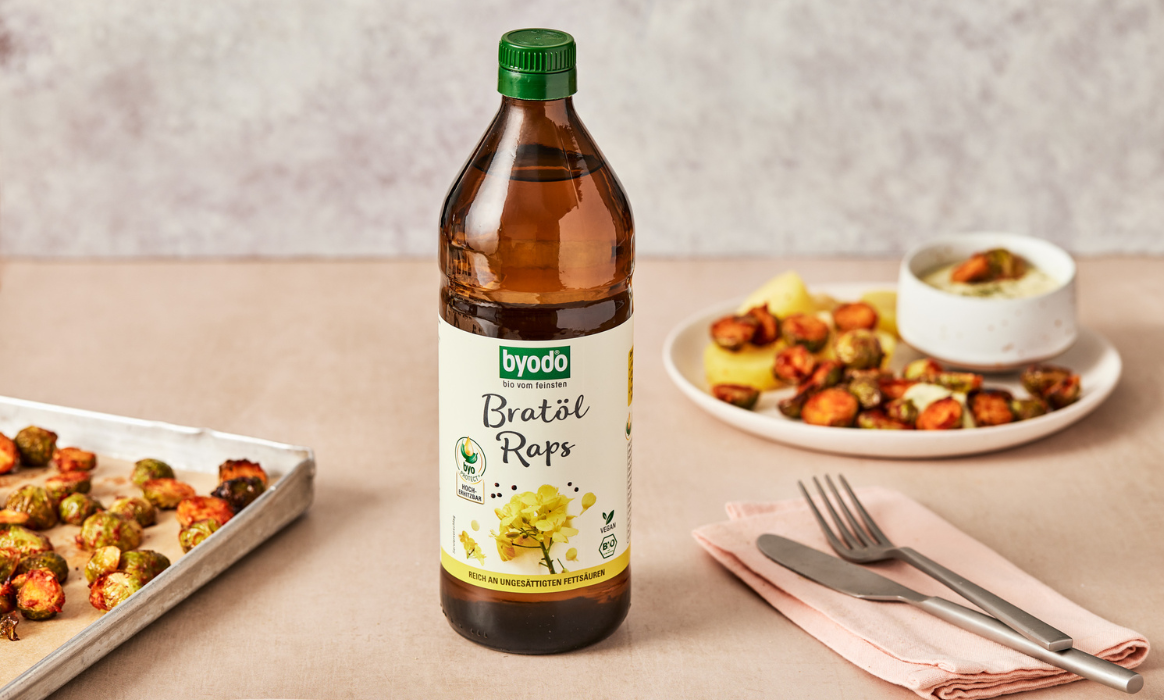
Canola Cooking Oil – The Easy-to-Use All-Rounder
With its mild, slightly nutty flavor, Byodo Canola Cooking Oil is a versatile staple for everyday cooking. It’s perfect for crispy potato wedges, roasted vegetables, and hearty snacks from the air fryer—without overpowering the natural flavors of the ingredients.
Recipe Idea: Squeezed Potatoes with Vegan Dips
Air Fryer Tip: Cook at about 180–190 °C until golden brown, checking occasionally.
About rapeseed frying oil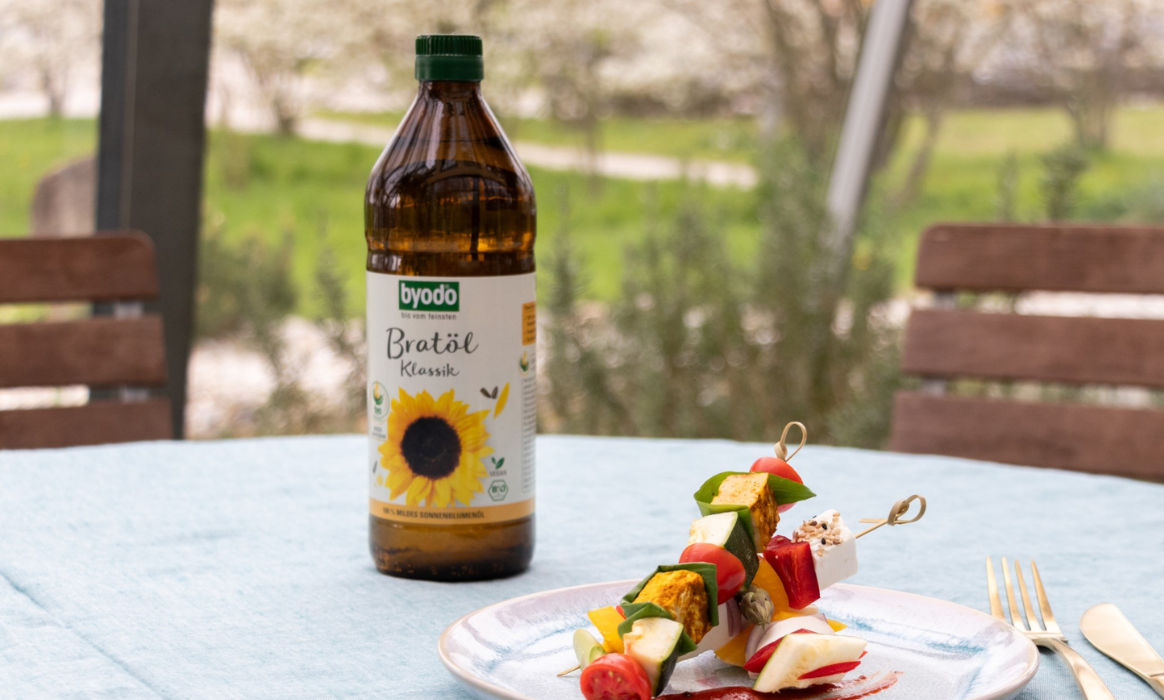
Classic Frying Oil – Versatile and Mild
Byodo Classic Cooking Oil stands out for its neutral flavor, allowing the natural character of the ingredients to shine through. Whether you’re cooking potatoes, vegetables, or homemade snacks—it’s the right choice when you need a versatile cooking oil.
Recipe Idea: Roasted Vegetables with Bean Hummus
Air Fryer Tip: Cook the vegetables in batches at about 180–190 °C. Note that cooking times vary depending on the type of vegetable.
To the classic frying oil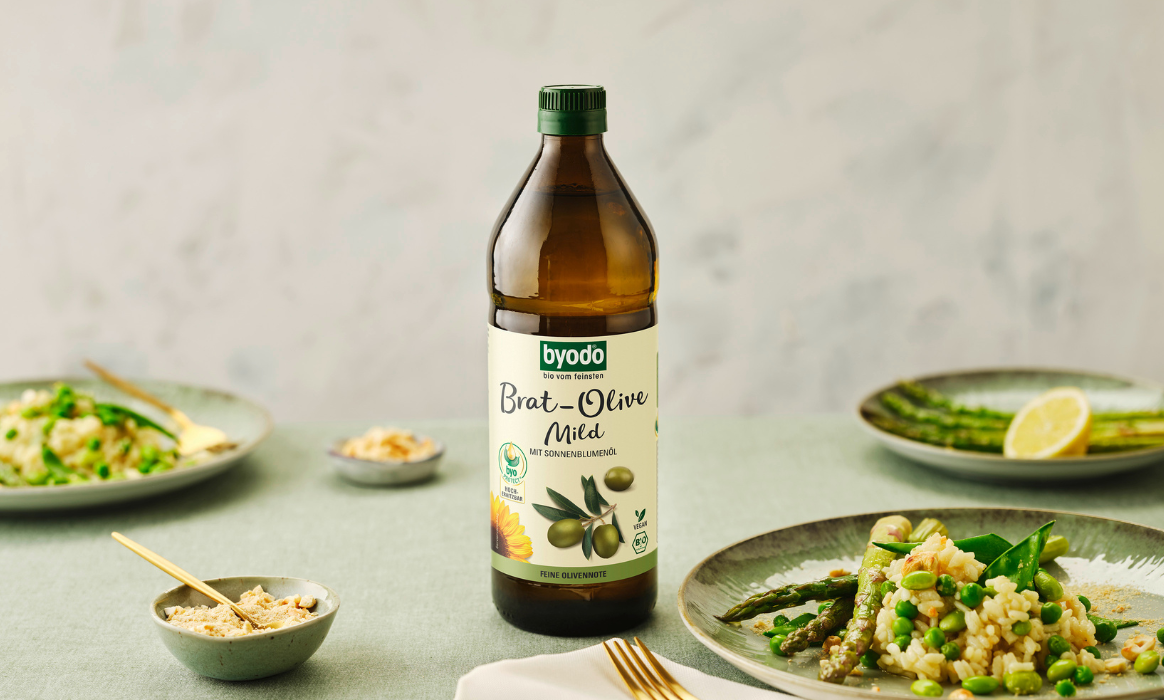
Mild Roasted Olive – with a subtle olive flavor
If you love the taste of olives but prefer a particularly mild flavor, Byodo Mild Roasted Olives are the perfect choice. They add a subtle hint of olive to vegetables, potatoes, and Mediterranean dishes without overpowering the other ingredients.
Recipe idea: Baked Eggplant with Herbs
Air Fryer Tip: Cook the eggplant halves at about 180 °C until they’re tender and golden brown.
To the Roast Olive Mild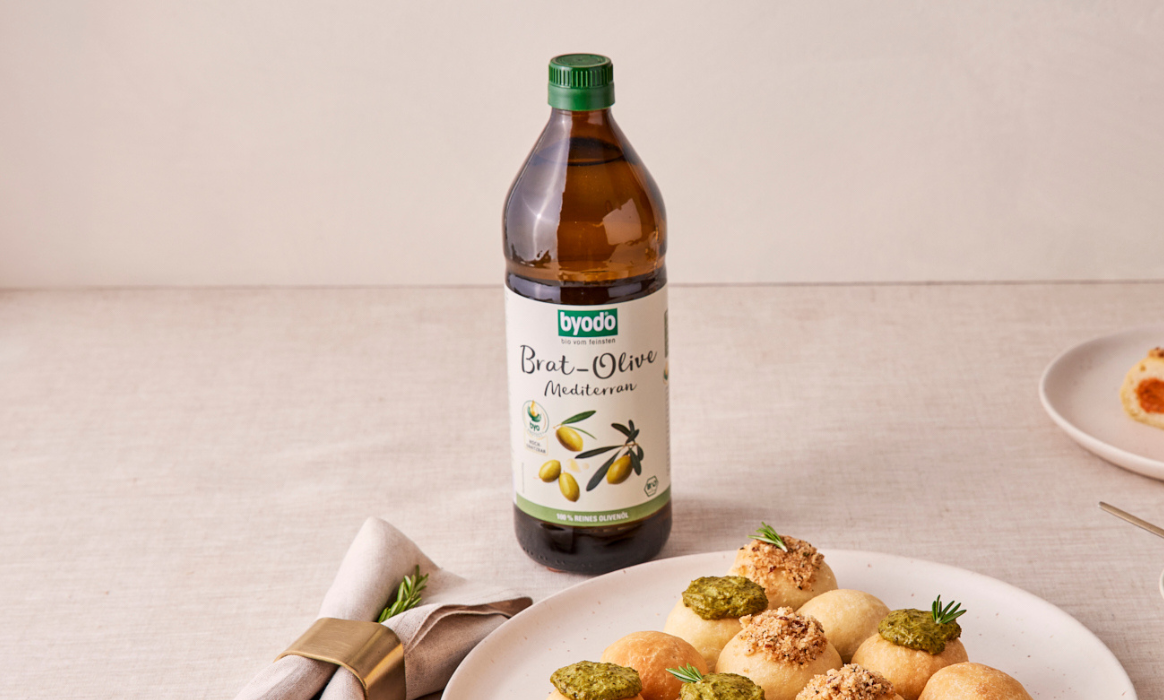
Mediterranean Roasted Olives – for an aromatic treat
Byodo’s “Brat-Olive Mediterran” brings a touch of the Mediterranean to your kitchen and adds a pleasantly aromatic olive flavor to your dishes. It pairs especially well with Mediterranean vegetables, crispy potato wedges, or hearty snacks with herbs and spices.
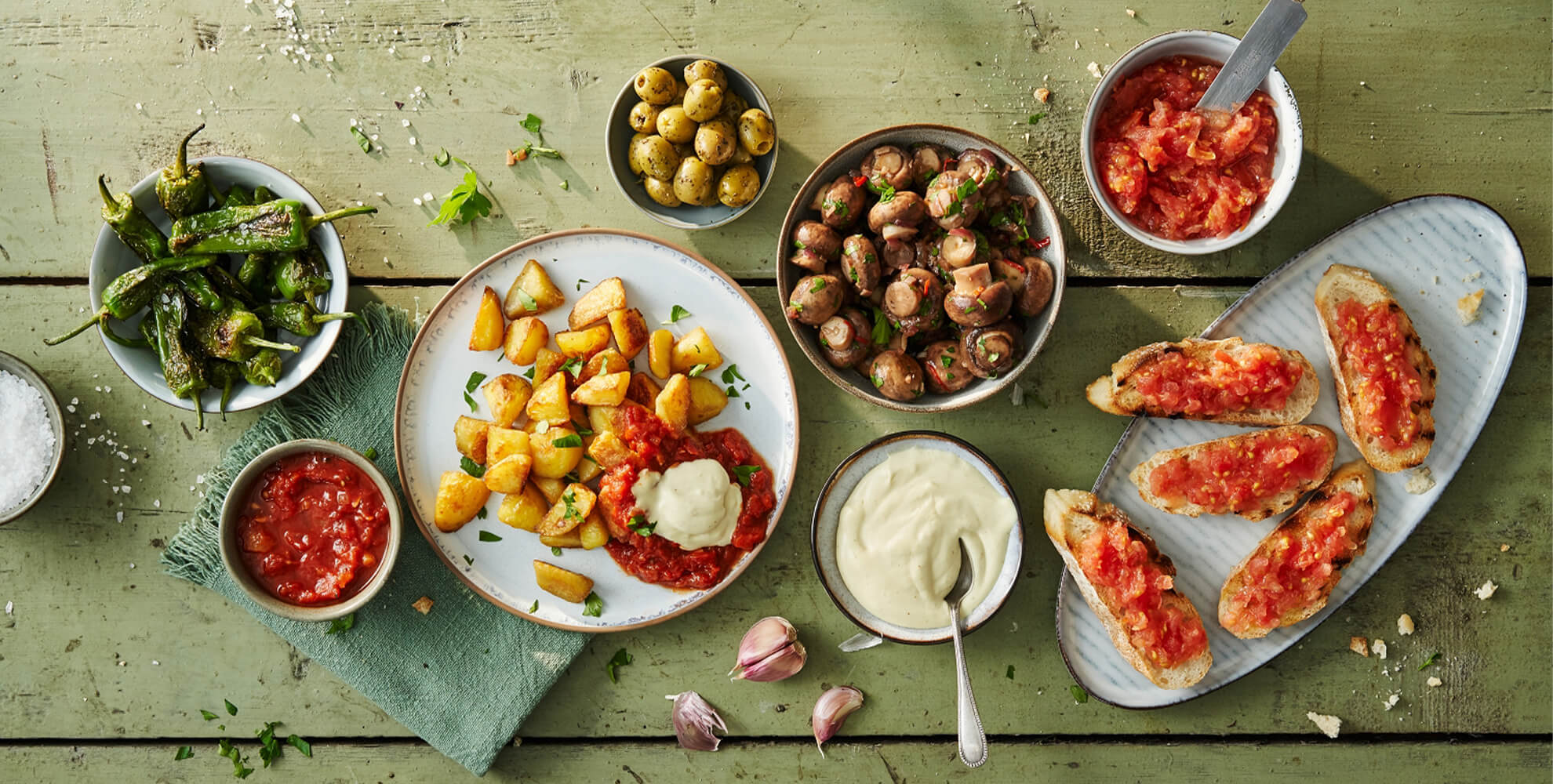
Recipe Idea: Vegan Spanish Tapas / Patatas Bravas
Air Fryer Tip: Toss the pre-cooked potato wedges with oil and cook at about 190 °C until crispy.
To the Mediterranean roast olive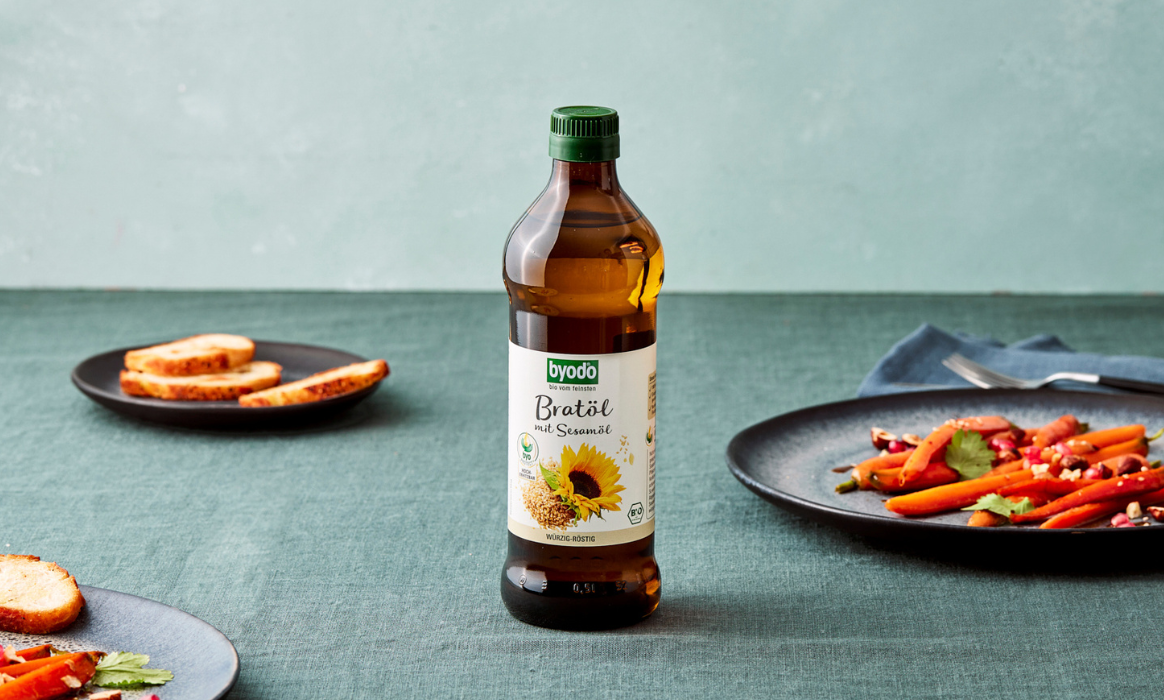
Cooking oil with sesame oil—for a special flavor
With its distinctive sesame flavor, Byodo Cooking Oil with Sesame Oil adds a special aromatic touch to your kitchen. It pairs perfectly with Asian-inspired vegetable dishes, crispy tofu, or spicy potato creations from the air fryer.
Recipe Idea: Easy Homemade Falafel – Byodo
Air Fryer Tip: Shape the falafel into small balls, brush them lightly with oil, and cook at about 180 °C until they’re golden brown on the outside.
To the frying oil with sesame oil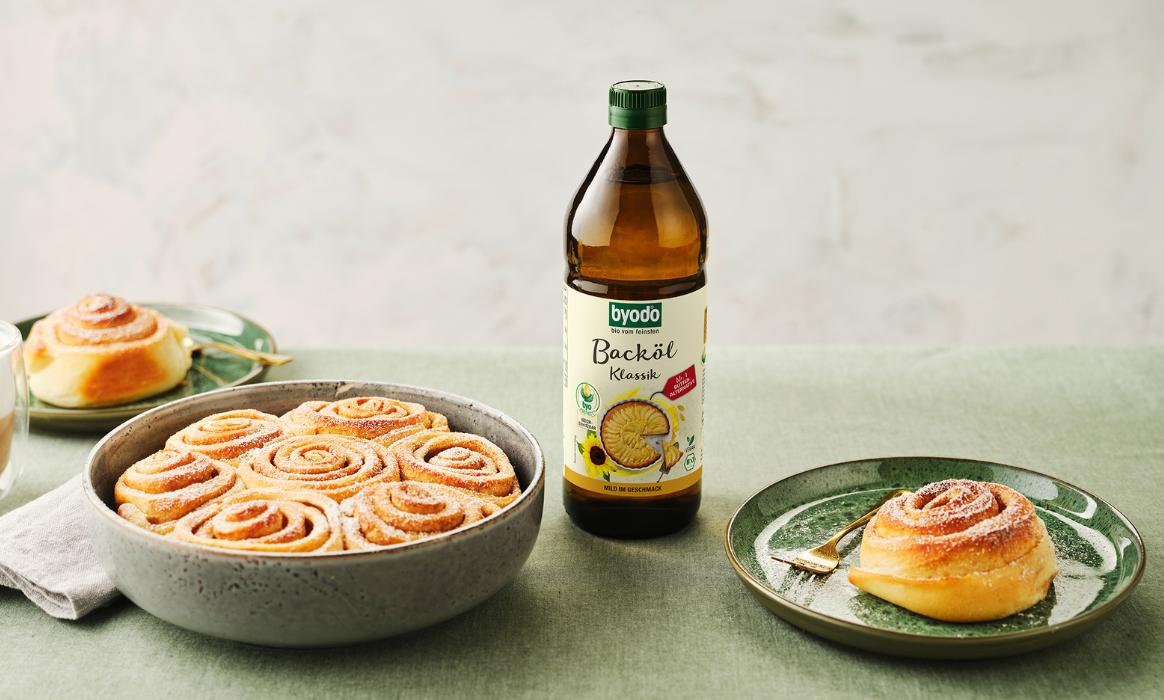
Classic Baking Oil – for sweet baking ideas from the air fryer
With Byodo Classic Baking Oil, you can create delicious baked goods even in an air fryer. Thanks to its mild, neutral flavor, it’s ideal for batter and lets the other ingredients take center stage.
Recipe Idea: Moist Cinnamon Rolls – Byodo
Air Fryer Tip: Place the cinnamon rolls in a small, heat-resistant dish that fits inside the cooking basket. Bake at about 160 °C and check for the first time after about 12–15 minutes to see if they’re fully baked and golden brown. Baking time may vary depending on the size of the rolls and the air fryer.
To the baking oil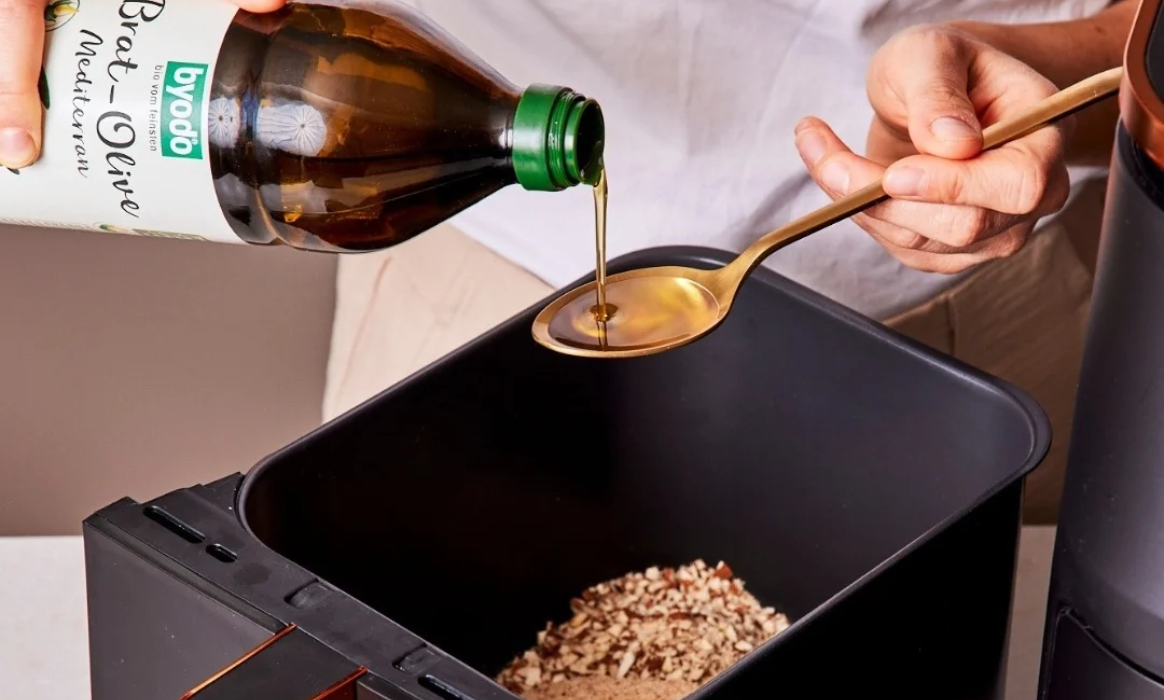
5 Tips for Crispy Results from the Air Fryer
- Distribute the oil evenly: Coat the ingredients as evenly as possible with a little oil to ensure optimal browning and flavor.
- Don’t overfill the basket: Leave enough space between the ingredients so the hot air can circulate freely.
- Turn the ingredientsoccasionally: Shake the basket or turn the ingredients during cooking so they brown as evenly as possible.
- Adjust the temperature and cooking time: Settings may vary depending on the food, quantity, and air fryer model.
- Try out new creations: From savory snacks to sweet muffins—the air fryer offers plenty of opportunities for creative culinary delights.
Crispy Air Fryer Treats with the Right Oil
Whether it’s golden-brown potato wedges, flavorful vegetables, homemade falafel, or sweet cinnamon rolls: the air fryer offers many options for a variety of dishes. With the right oil, you can enhance both the flavor and the browning. The Byodo frying and baking oils bring a variety of flavors to your kitchen—from mild and neutral to aromatic, with hints of olive or sesame.
Now nothing stands in the way of crispy, delicious treats!
Organic Enthusiasts 2026
Nine Projects That Bring Organic Living to Everyday Life
Whether it’s a school garden, chickens in the schoolyard, cooking together, or inclusive nature experiences—the applications for our BioBegeistert 2026 grant program show just how diverse enthusiasm for organic food and mindful eating can be. With a great deal of dedication and creative ideas, ten projects aim to provide children, teens, and adults with new experiences and show how closely food, nature, and community are interconnected.
Each of these projects is showcased here, highlighting its ideas and commitment to organic farming, quality, and responsible practices. Now it’s up to you to decide which project deserves your vote. The project with the most votes will receive a grant of €5,000 from Byodo! Second place will be awarded €3,000, and third place will receive €2,000.
Discover these inspiring ideas and use your vote to make an important contribution to responsible action.
Nominated projects:
Cackling and Watching: Chickens as a Place of Learning
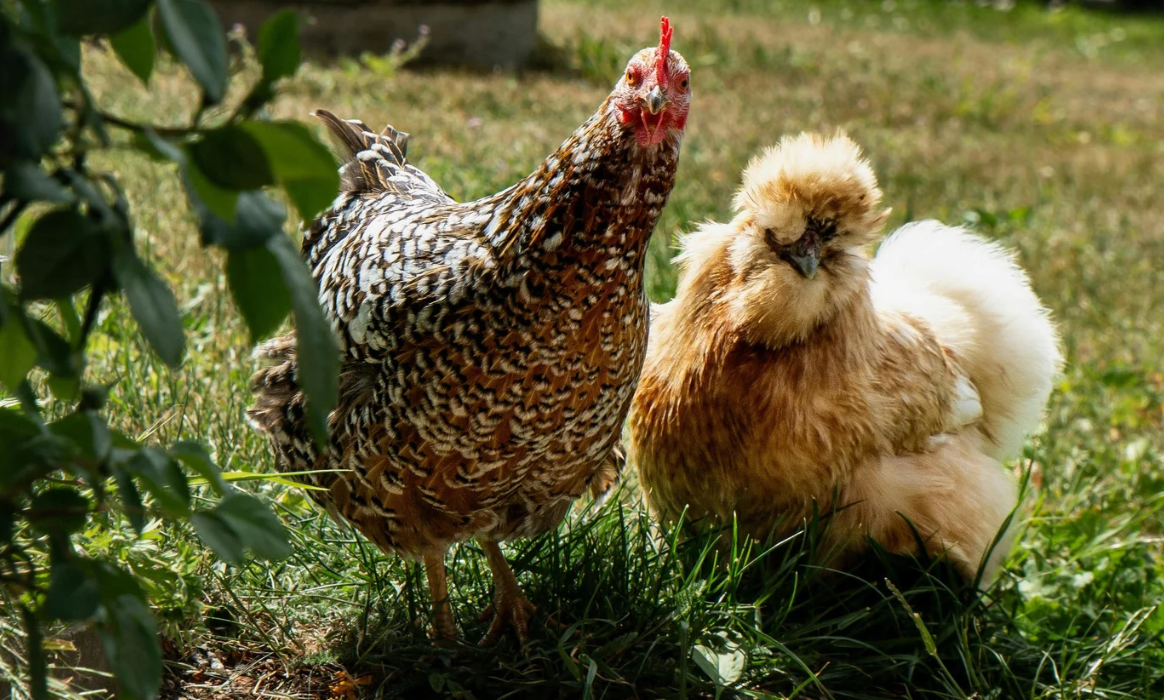
Once you’ve experienced just how much care a living creature needs, you won’t forget it anytime soon. Two schools are incorporating organic chickens into their daily routines.
Osterfeld School, Lünen
Project: “Osterfeld’s One by One”
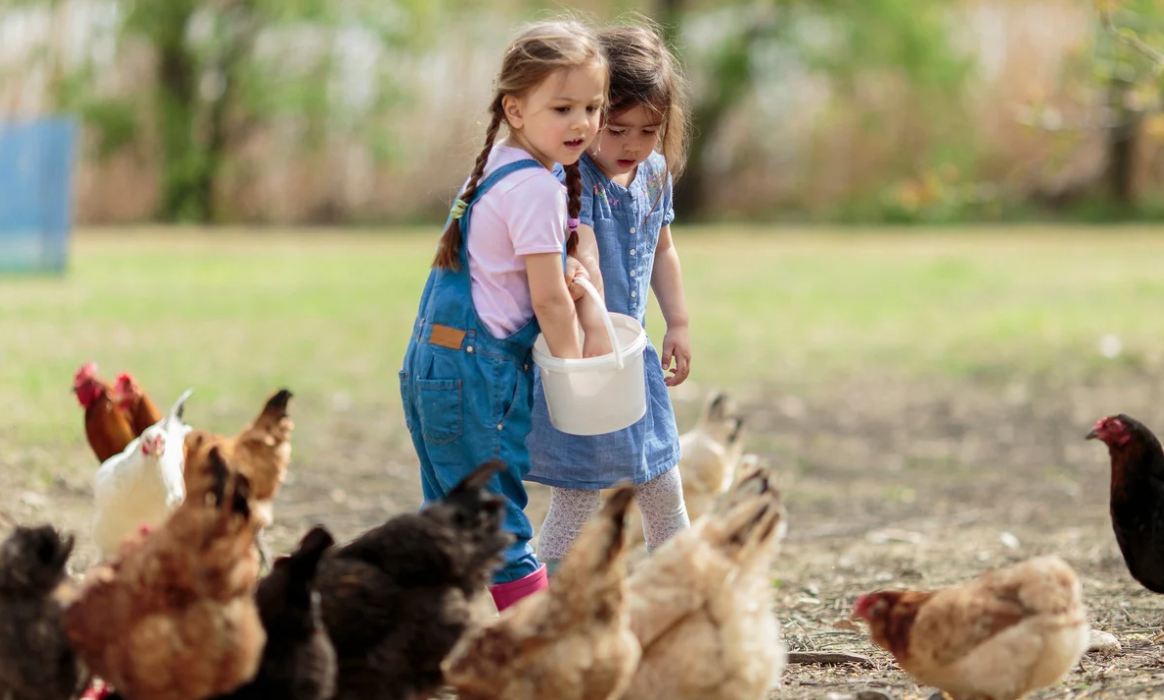
A chicken coop as a learning space right in the middle of the schoolyard: The Osterfeld School would like to build a permanent chicken coop on its school grounds. The children take responsibility for the animals and, in doing so, learn what it means to care for them every day. The project is also incorporated into the curriculum: whether in social studies, reading, or art class—the chickens provide numerous opportunities for collaborative learning.
The eggs will be given to parents in exchange for a donation. The proceeds will be used to pay for feed, allowing the school community to cover part of the project’s costs itself. Especially at an elementary school with a high social index, the goal is to create a shared learning space that combines knowledge, responsibility, and hands-on experience.
Osterfeld School, Lünen
Project: “Osterfeld’s One by One”
After a two-week chicken project last school year, the enthusiasm was so great that the “clucking classroom” is set to remain. A species-appropriate coop is to be built in the schoolyard. The children feed and care for the animals, learn about the lives of chickens in their social studies classes, and even read to them—because chickens are patient listeners who don’t judge. The eggs are available to parents for a small donation, and the money goes toward buying feed.
Carl-Kehr School, Halberstadt
PProject: “Signs and Clucking”
Under the title “Signs and Clucking,” the State Education Center for the Hearing Impaired plans to raise school chickens. For students with hearing and visual impairments, the animals offer special opportunities: They help develop their tactile perception and orientation, explore social behavior through the chickens’ body language, and find plenty of opportunities to communicate.
From Seed to Plate: Gardens, Raised Beds, and Harvesting
Many children only know vegetables from supermarket shelves. These projects are changing that.
Daycare Center at HTW, Berlin
Project: “From Grain to Bread”
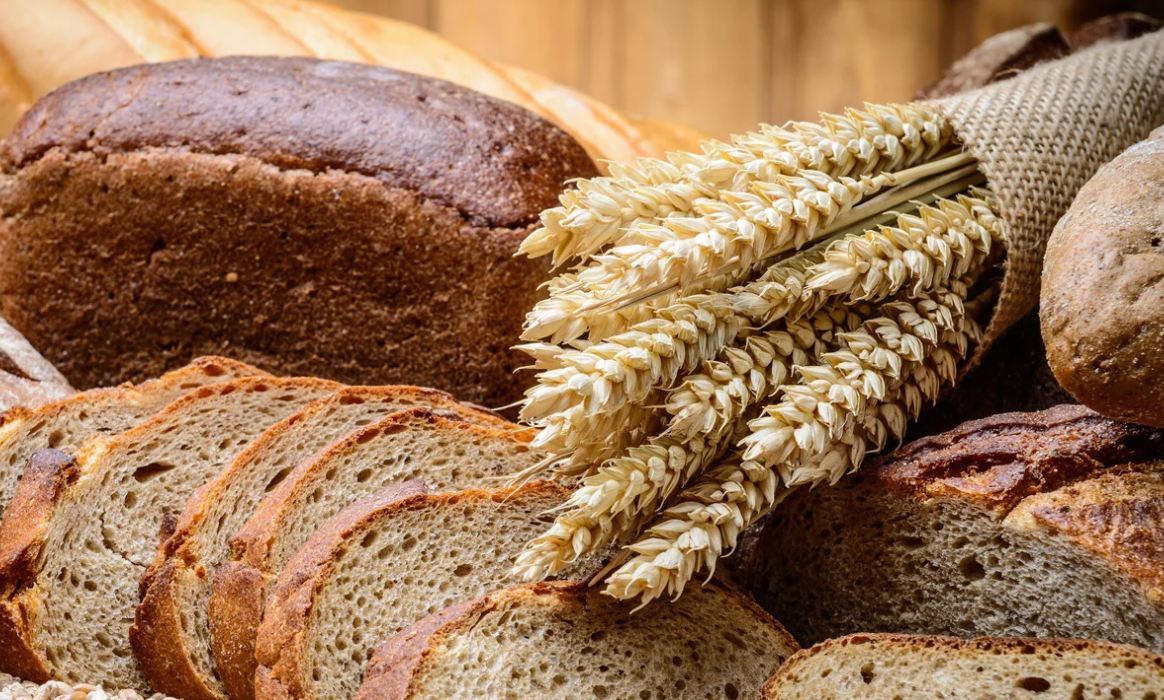
From a tiny grain to homemade bread: How does a tiny grain actually turn into bread? The daycare center at HTW wants to answer this question for children in a particularly vivid way. In two raised beds in the daycare garden, the children will sow grain themselves, watch it grow, harvest it, and then grind it.
Together, they bake bread using the flour they’ve milled themselves. In this way, the children learn, step by step, where our food comes from and how much nature and labor go into it. The project is designed to give city children, in particular, a direct connection to agriculture, the soil, and food production.
Daycare Center at HTW, Berlin
Project: “From Grain to Bread”
Two raised garden beds are to be created right in the heart of the city. In the “From Grain to Bread” project, the children sow grain, tend the beds, harvest the crops, grind their own flour, and ultimately bake their own bread. Along the way, they learn just how many steps go into making a single loaf of bread.
Primary and secondary school Friedersdorf
Project: “Organic Garden of the Senses”
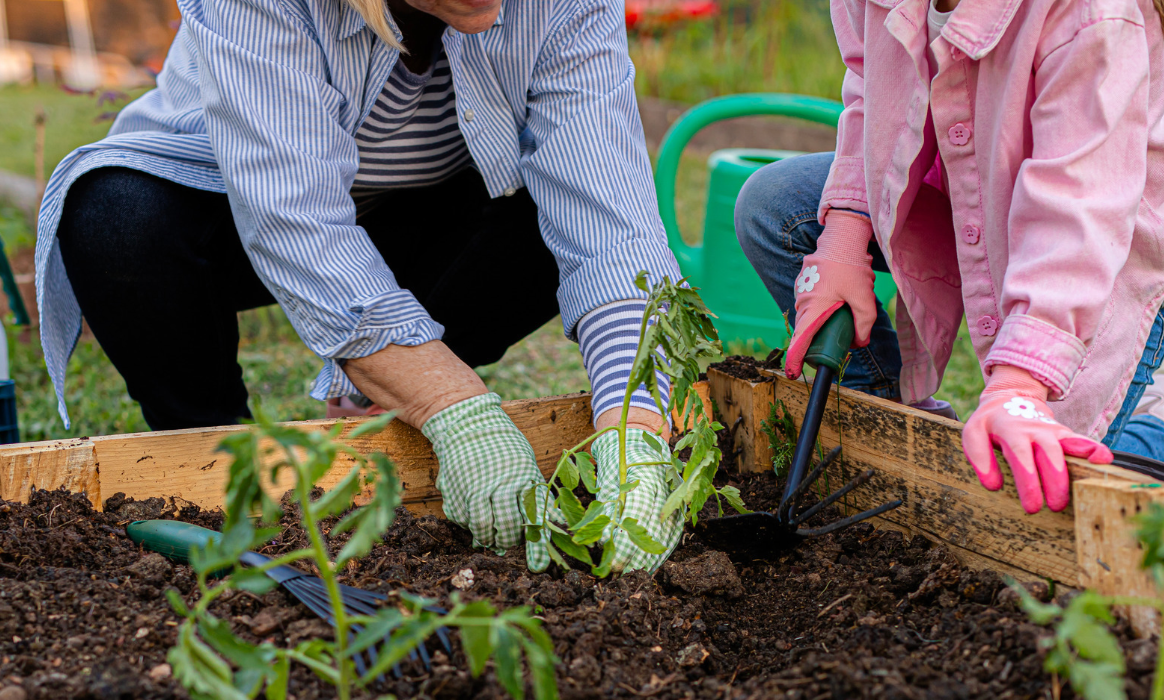
Gardening together, exploring with all the senses: The Friedersdorf Elementary and Middle School would like to create a shared school garden next to the gym that combines experiencing nature with hands-on learning. Plans include a DIY barefoot trail, a herb garden with organic basil, organic parsley, and organic chives, as well as a vegetable patch with cucumbers, lettuce, tomatoes, and strawberries. The goal is to completely avoid the use of pesticides. What makes this project special is that the older students will handle the hands-on work during WAT classes, while the elementary school children will help design the beds and take care of the finer details. After the harvest, the food grown together will be prepared collectively and eaten right in the garden. In this way, the children and teens learn how working together creates something that everyone can enjoy.
Friedersdorf Elementary and Middle School
Project: “Organic Garden of the Senses”
The “Organic Garden of the Senses” brings young and old together, as elementary and middle school students work side by side. There’s a barefoot trail with sand, river stones, pinecones, moss, and feathers; a colorfully painted herb caterpillar; and a garden bed with cucumbers, lettuce, tomatoes, and strawberries—all grown without pesticides. The older students handle the sawing and digging, while the younger ones take care of the finer details. After harvesting, they cook together and eat on picnic blankets in the garden.
Cooking, Harvesting, Starting Over: Organic Living Among Young Adults
Keune Elementary School, Trier
Project: Green Classroom
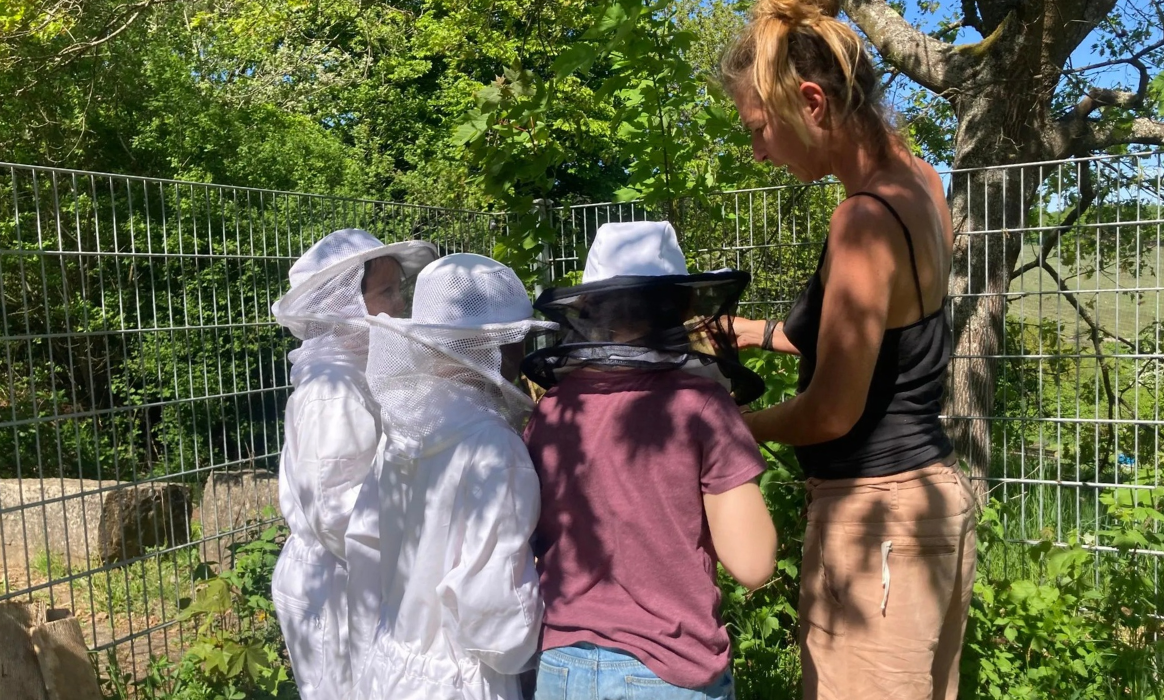
Through a Green Classroom, permaculture, and biodiversity, the school aims to introduce children to sustainable education and healthy eating, especially those who face greater challenges in their daily lives.
Cooking, Harvesting, Starting Over: Organic Living Among Young Adults
Environmental awareness doesn’t end with elementary school. Three projects show how young people on the cusp of a new phase of life can benefit from it.
Nature with All the Senses and for Everyone
Leo Club Quadriga, Berlin
Project: Organic Recipe Cards and Starter Basket
The volunteer-run Leo Club Quadriga supports young people as they move out of group homes and guides them on their journey toward independent living. With simple organic recipe cards, the volunteers aim to show how delicious meals can be prepared even on a tight budget. In addition, a starter basket containing non-perishable organic staples such as oil, vinegar, pesto, and spices is planned. About 25 young people are expected to benefit from this initiative. The combination of practical recipe ideas and a basic kitchen kit makes it easier to start cooking on their own and helps them develop practical, everyday nutrition skills.
Leo Club Quadriga, Berlin
Project: Organic Recipe Cards and Starter Baskets
People moving out of a group home into their first apartment often have never learned to cook for themselves. That’s why this volunteer-run youth club develops simple organic recipe cards for those on a tight budget and puts together starter baskets filled with non-perishable organic staples like oil, vinegar, pesto, and spices. In the first year, around 25 teenagers and young mothers are expected to benefit from this program.
Orientierungszeiten gGmbH, Kassel
Project: “Bachelor of Being 6”
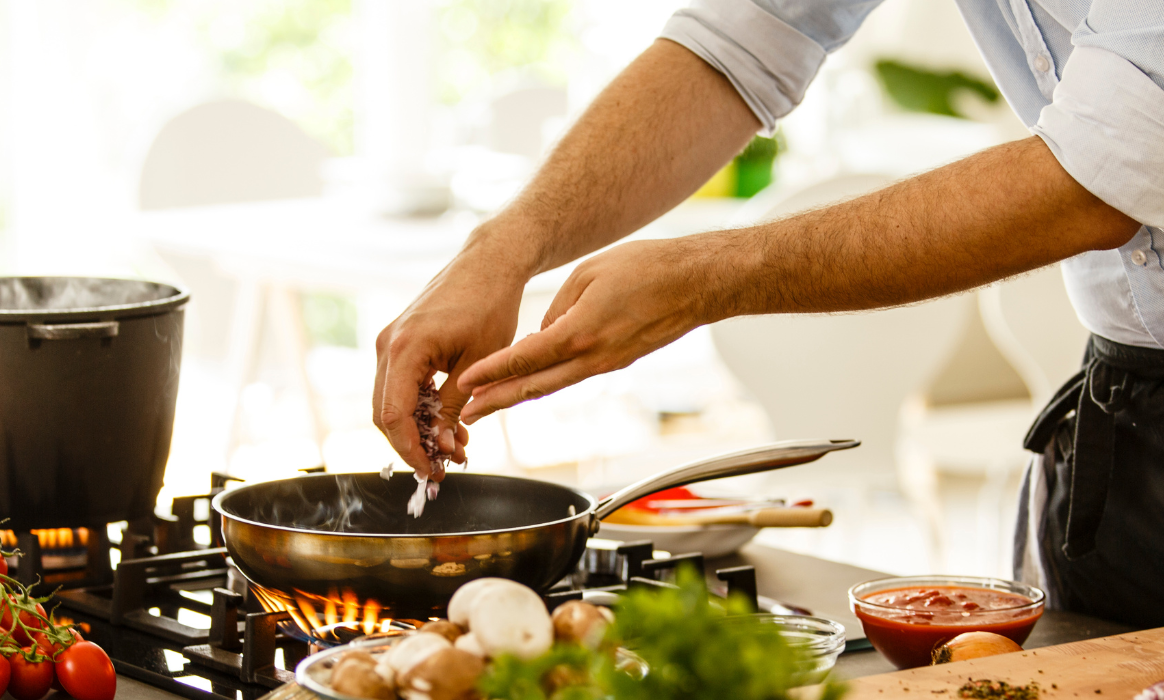
Cooking for themselves, taking on responsibility, and learning new things: Through the five-month orientation semester “Bachelor of Being 6,” Orientierungszeiten gGmbH will support a total of 24 young adults on their personal educational journeys from October 2026 through March 2027. An important part of the program is the daily preparation of meals together using organic ingredients. The goal is not only for participants to cook but also to experience how food is grown, harvested, and processed. Among other things, the program will facilitate an apple harvest followed by processing, the cultivation of winter vegetables, the use of a greenhouse, and support from a specialist. In this way, nutrition becomes a practical field of learning that strengthens independence and community.
Orientierungszeiten gGmbH, Kassel
Project: “Bachelor of Being 6”
In the “Bachelor of Being” program, 24 young adults live together as a community for five months and cook their own meals every day, using only organic ingredients. New to the program this year is the collective harvesting and processing of apples from the on-site orchard, as well as the cultivation of winter vegetables.
Nature with All the Senses and for Everyone
Why We Love It
OGTS Friedrich-Ebert-Schule, Preetz
Project: “Strong Kids – Preetz Joins In!”
Empowering children and shaping their world together: The Open All-Day School (OGTS) at the Friedrich-Ebert-Schule in Preetz aims to develop a versatile, modular program for children through the project “Strong Children – Preetz Joins In!” In collaboration with the sponsoring organization Creativ Change e. V., 15 thematic areas are planned, including self-confidence, first aid, nature and agriculture, nutrition and physical activity, as well as important everyday life skills. The goal is for children not only to listen but also to try things out for themselves, make discoveries, and gain experience. To this end, the school aims to build a network of clubs, businesses, and other organizations in Preetz. Support can take many forms: time, expertise, workshops, or materials. The goal is to create a program that supports children in their development and connects learning with local life.
Mühlhausen Rehabilitation Sports Club (ILOH)
Project: “Forest Bathing on Wheels”
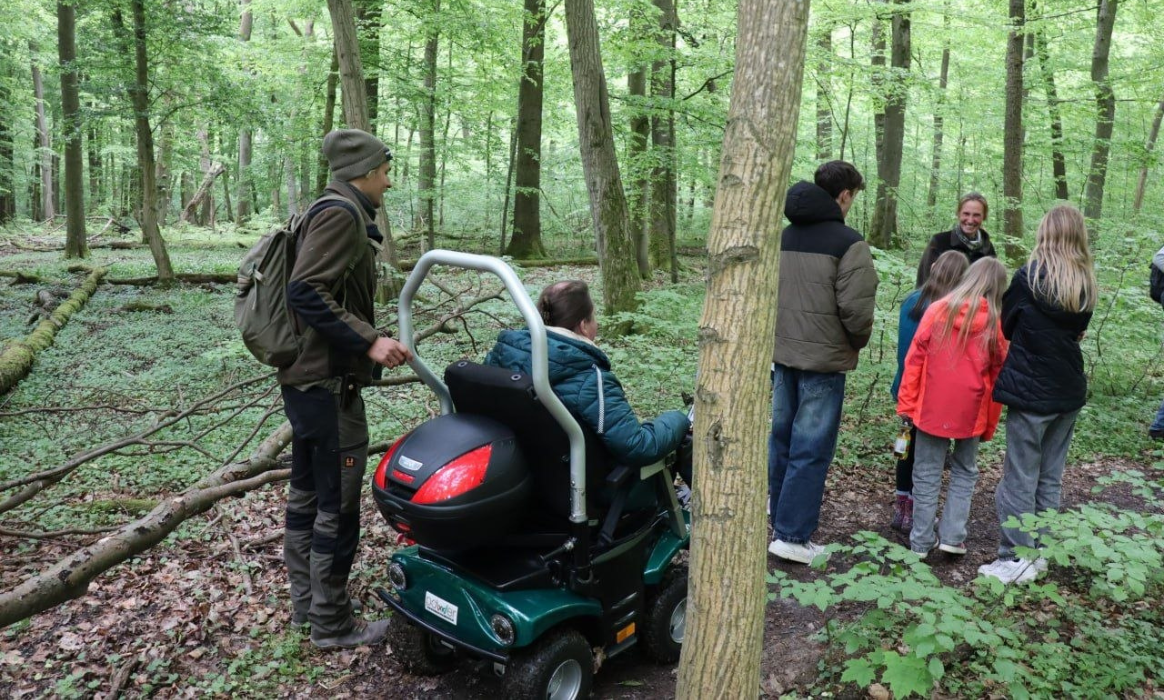
“Forest Bathing on Wheels” invites people with and without disabilities to spend a weekend in nature. Participants go on tours using hand bikes and hiking wheelchairs, and the program also includes forest bathing, relaxation, and nutrition tips. The goal: to break down barriers through interaction
Strong Children, Strong Network
Behind all ten projects are people who want to give children and young adults the chance to have real-life experiences—experiences with dirt on their hands, with animals, with cooking together, and with taking on responsibility. That’s exactly where enthusiasm for organic farming is born: not through explanations, but through experience.
Why We Love It
OGTS Friedrich-Ebert-Schule, Preetz
Project: “Strong Kids – Preetz Joins In!”
Empowering children and shaping their world together: The Open All-Day School (OGTS) at the Friedrich-Ebert-Schule in Preetz aims to develop a versatile, modular program for children through the project “Strong Children – Preetz Joins In!” In collaboration with the sponsoring organization Creativ Change e. V., 15 thematic areas are planned, including self-confidence, first aid, nature and agriculture, nutrition and physical activity, as well as important everyday life skills. The goal is for children not only to listen but also to try things out for themselves, make discoveries, and gain experience. To this end, the school aims to build a network of clubs, businesses, and other organizations in Preetz. Support can take many forms: time, expertise, workshops, or materials. The goal is to create a program that supports children in their development and connects learning with local life.

OGTS Friedrich-Ebert-Schule, Preetz
Project: “Strong Kids – Preetz Joins In!”
“Strong Kids – Preetz Joins In!” is a modular program featuring 15 topic areas, ranging from self-confidence and first aid to nature and nutrition. The goal is for children to try things out for themselves and get to know their town. To this end, the school is gradually building a network of local clubs, businesses, and dedicated individuals. The project is still in its early stages, and any form of support is welcome: time, expertise, a visit, or a workshop.
Why We Love It
Behind all ten projects are people who want to give children and young adults the chance to have real-life experiences—experiences with dirt on their hands, with animals, with cooking together, and with taking on responsibility. That’s exactly where enthusiasm for organic farming is born: not through explanations, but through experience.
Omega-3 and Omega-6:
Why the Right Balance Is So Important
Fat is part of a balanced diet—but what matters isn’t just how much fat we eat, but also what types of fatty acids it contains. Omega-3 and omega-6, in particular, play an important role. Both are essential and perform important functions in the body. In our daily diet, however, we often consume significantly more omega-6 than omega-3.
Why is the omega-3-to-omega-6 ratio important? Which foods provide these valuable fatty acids, and how can omega-3-rich oils help make your diet more balanced?
We’ll explain what’s important and how you can enjoyably incorporate more omega-3 into your daily routine.
What are omega-3 and omega-6 fatty acids?
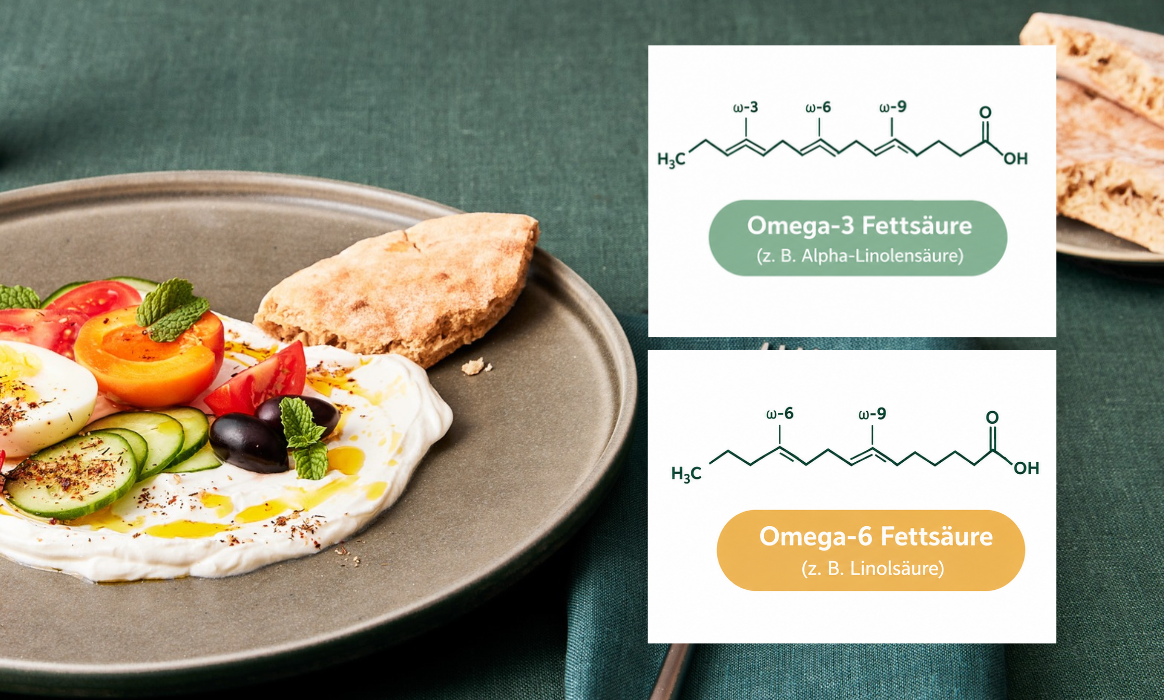
Omega-3 and omega-6 fatty acids are types of polyunsaturated fatty acids. Since the body cannot produce the essential fatty acids alpha-linolenic acid (omega-3) and linoleic acid (omega-6) on its own, we must obtain them through our diet. Among other things, they are components of our cell membranes and serve as building blocks for other important compounds in the body.
- The most important omega-3 fatty acids include ALA, EPA, and DHA. ALA is found, for example, in flaxseed oil, walnuts, and canola oil, while EPA and DHA are primarily found in fatty fish and certain algae oils.
- The best-known essential omega-6 fatty acid is linoleic acid, which is found in sunflower oil, nuts, and seeds, among other sources. It is an important component of our diet and performs various functions in the body.
Why do we often consume too much omega-6 and too little omega-3?
In our daily diet, we often consume significantly more omega-6 than omega-3. One reason for this is the choice of foods and oils we use every day: Omega-6-rich vegetable oils, such as sunflower oil, are common in many kitchens and processed foods, such as tofu, plant-based meat substitutes, and even chips and other fried snacks. In contrast, omega-3-rich foods such as flaxseed oil, walnuts, and flaxseeds are often less common in our diets.
The Consumer Advice Center, among others, points out this imbalance and recommends intentionally incorporating more omega-3-rich foods into one’s diet (Source: Consumer Advice Center).
The point is not to avoid omega-6 at all costs. Both groups of fatty acids are essential and perform important functions in the body. Rather, it is crucial to ensure a balanced selection of fat sources and to pay more attention to omega-3 in your daily diet.
Why is the ratio of omega-3 to omega-6 important?
Omega-3 and omega-6 fatty acids perform different functions in the body. However, they share a common feature in certain metabolic processes: both groups of fatty acids use some of the same enzymes to be metabolized in the body.
This plays a role, for example, with the plant-based omega-3 fatty acid alpha-linolenic acid (ALA). With the help of these enzymes, our bodies can convert ALA into the long-chain omega-3 fatty acids EPA and DHA. Since omega-3 and omega-6 fatty acids rely on the same enzymes for this process, they can, in a sense, compete with one another. If we consume a very high proportion of omega-6 and significantly less omega-3, this can further hinder the conversion of ALA into EPA and DHA and reduce the body’s uptake of omega-3.
That’s why it’s not just about how much fat we eat, but also about the types of fatty acids it contains. That doesn’t mean we should cut out omega-6 fatty acids. Rather, it’s a good idea to regularly include omega-3-rich foods in our diet and to vary the types of cooking oils we use.
What functions do omega-3 fatty acids perform in the body?
Omega-3 fatty acids perform various functions in the body. It’s important to distinguish between the individual fatty acids:
- Heart function: EPA and DHA contribute to normal heart function when consumed at a total daily intake of 250 mg.
- Brain and Vision: A daily intake of 250 mg of DHA helps maintain normal brain function and normal vision.
- Cell Membranes and Metabolism: Essential fatty acids are important components of cell membranes and serve as building blocks for other compounds produced by the body.
Precisely because the body cannot produce the essential omega-3 fatty acid ALA on its own and its conversion to EPA and DHA is limited, regular intake through the diet plays an important role.
How can you incorporate more omega-3 into your daily routine?
The good news: You don’t have to cut out fat or completely change your diet. Simply choosing your oils wisely can help you get more plant-based omega-3 fatty acids.
Flaxseed oil, canola oil, and walnut oil, for example, are good sources of alpha-linolenic acid. They can be used in a variety of ways—such as in salad dressings, bowls, dips, or to enhance the flavor of prepared dishes.
Also, the Byodo Omega Oils offer a variety of ways to incorporate the enjoyment of oil into your daily life. Depending on the variety, they can be used in fresh salads, hearty dishes, or flavorful bowls. The fatty acids provided by each variety depend on its specific composition.
Byodo Omega Oils: Flavor Meets Variety
For our Byodo Omega Oils, we’ve combined select oils to blend a particularly beneficial omega-3 profile with versatile flavor experiences. The result is a variety of oil blends that, depending on the variety, are suitable for different dishes—from fresh salads and colorful bowls to hearty meals and breakfast.
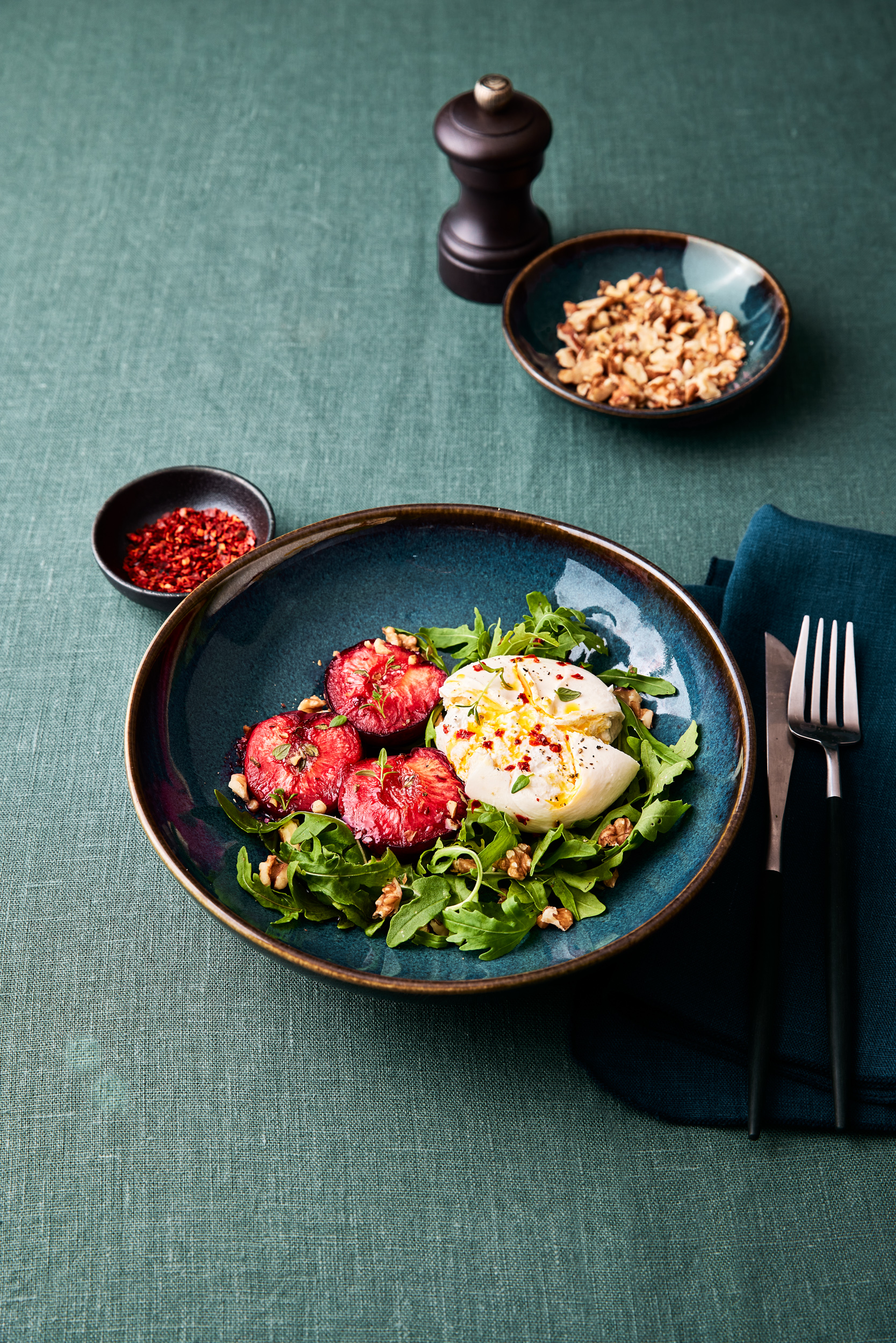

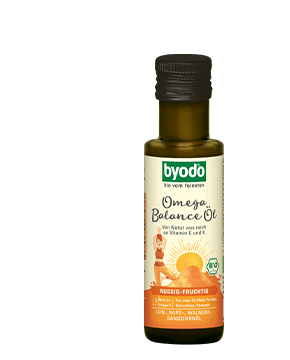
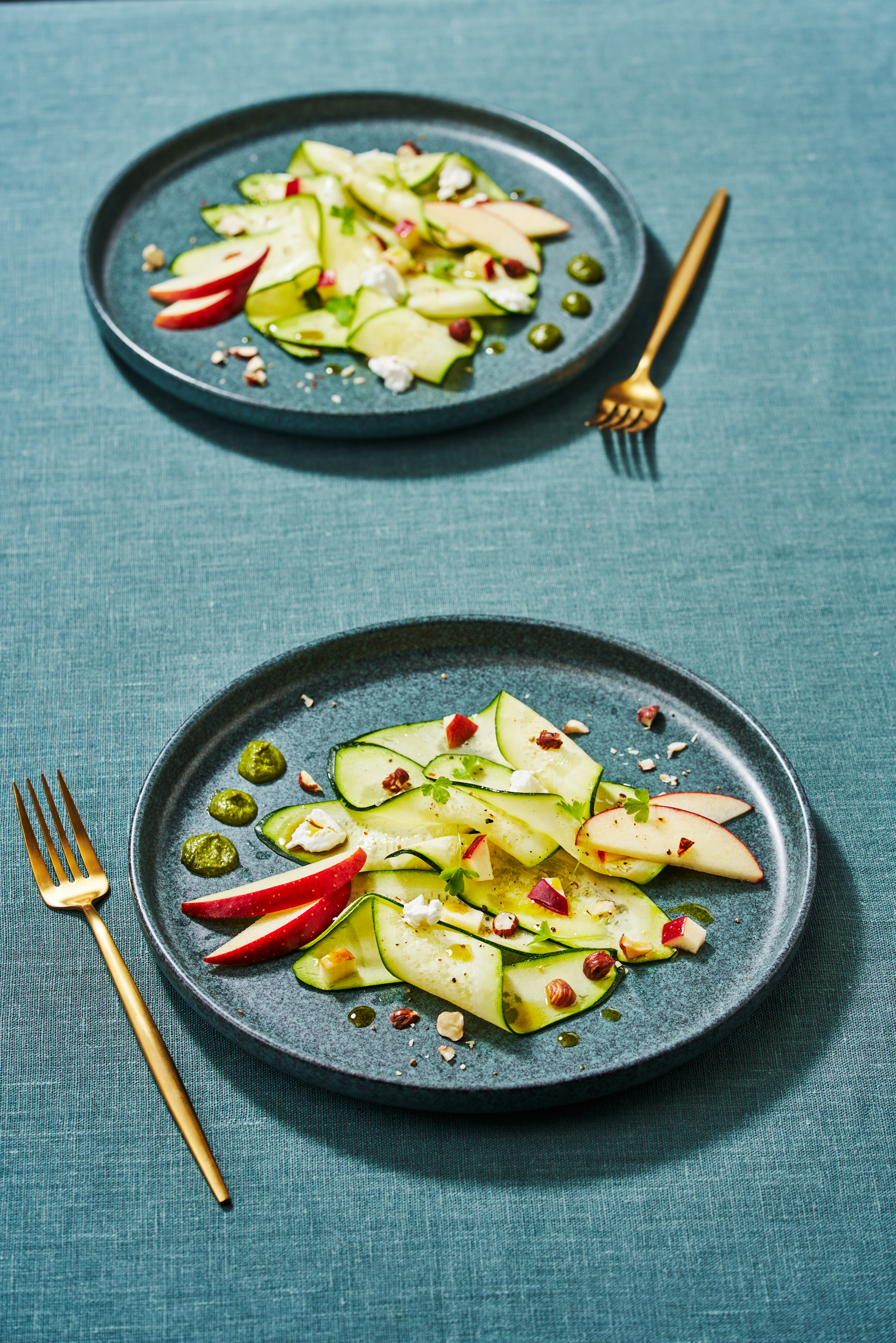
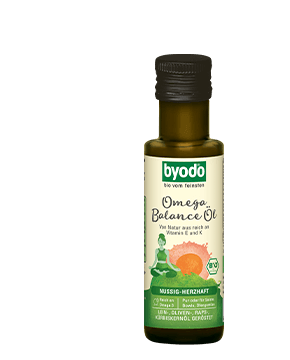

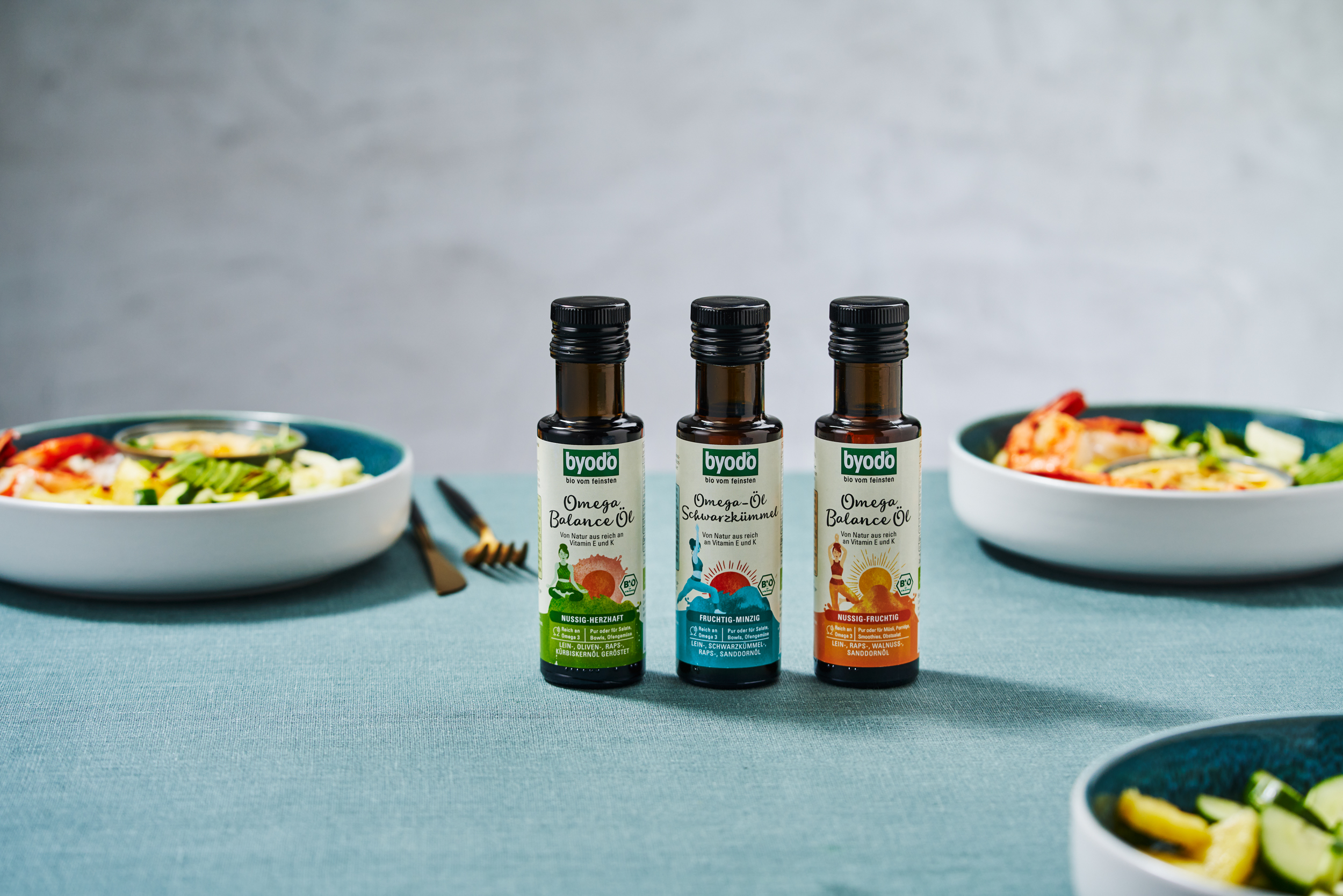
Using Omega Oils the Right Way: Tips for Cold Dishes
Delicate, polyunsaturated fatty acids can be damaged by high heat, which is why many omega oils are particularly well-suited for cold dishes. Use them in dressings, dips, bowls, or to enhance already cooked dishes, and be sure to follow the storage instructions on the packaging.
-
Omega Balance Oil, fruity: Goes well with salads, bowls, vegetables, and breakfast.
-
Omega oil (savory): Goes well with salads, soups, vegetables, and savory dishes.
-
Omega Black Cumin Oil: Pairs well with Middle Eastern dishes, dips, bowls, and vegetables.
Our Recipe Ideas with Byodo Omega Oils
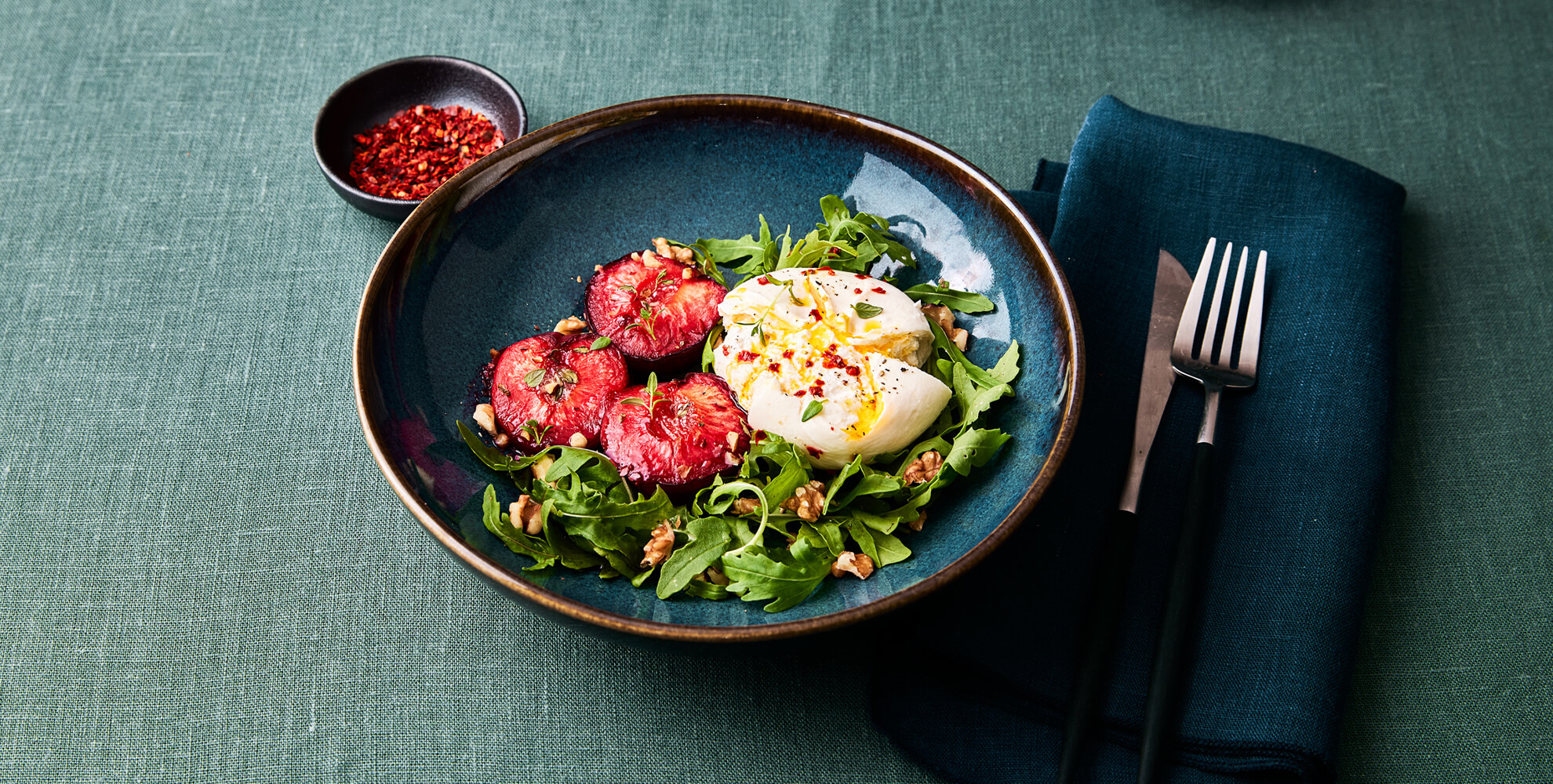
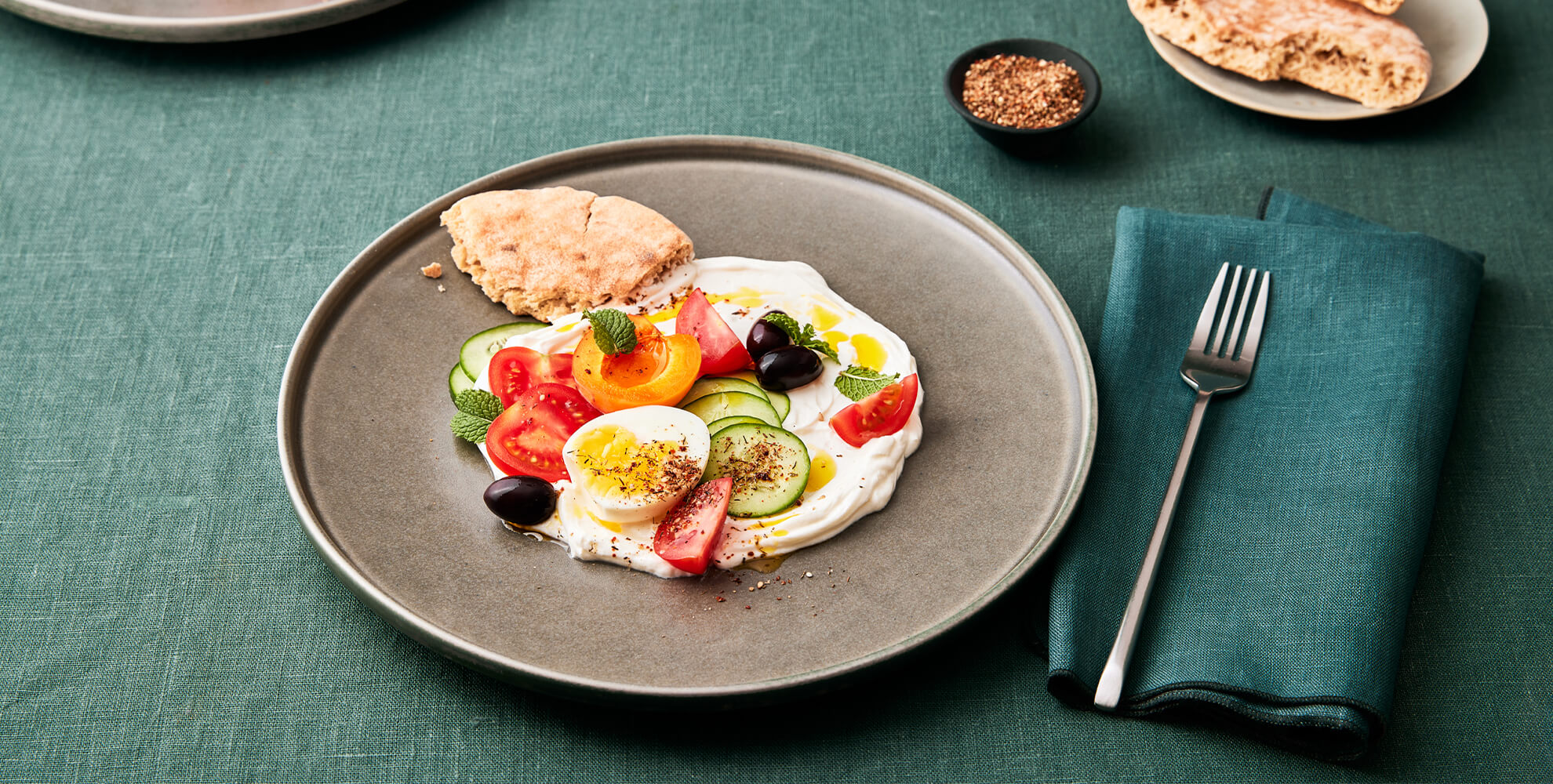
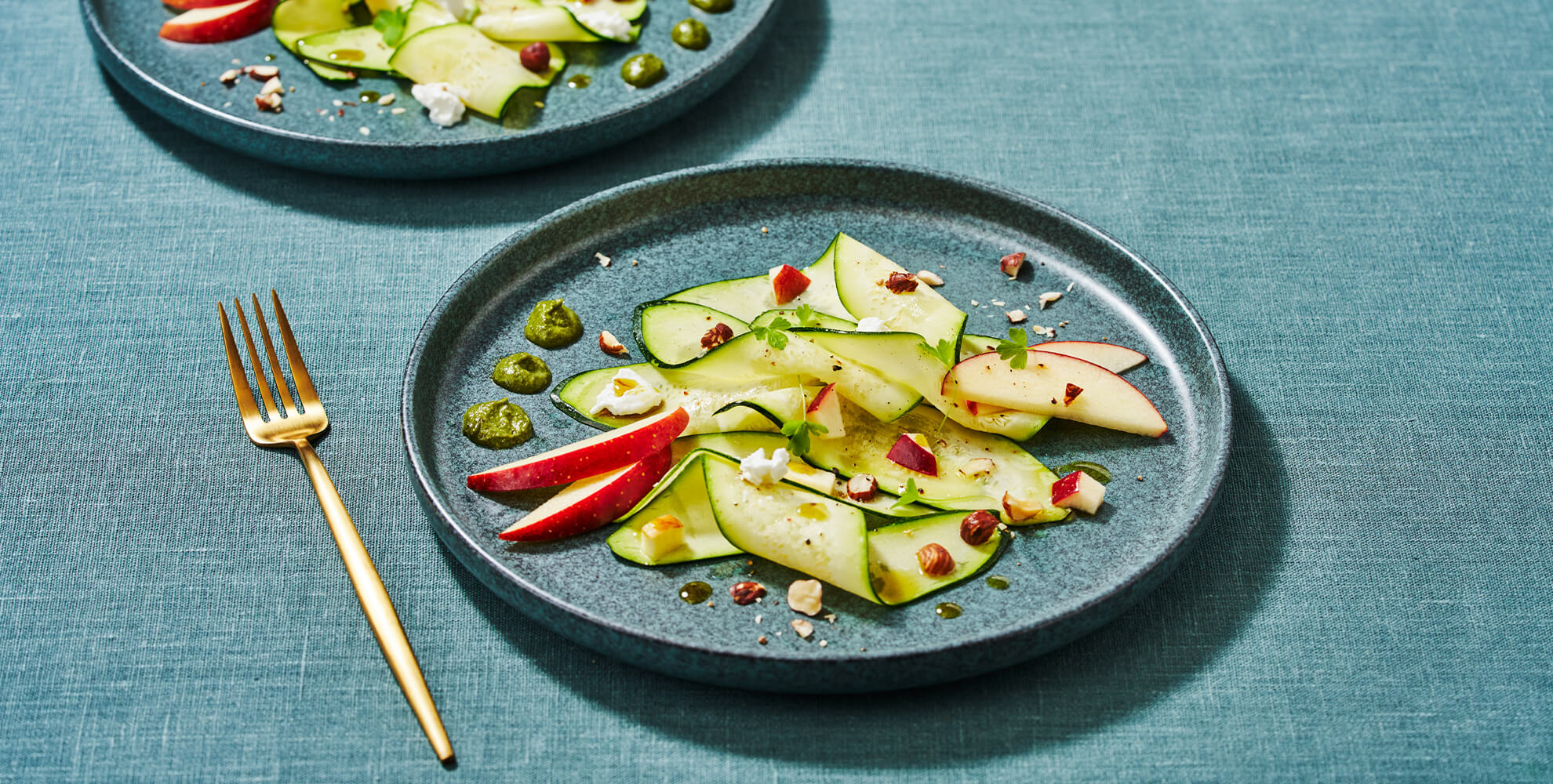
With the right recipes, it’s easy to try out the different flavors. Discover our ideas for crisp salads, colorful vegetable bowls, and savory chickpea dishes.

30 min.

Leicht

Vegetarian
20 min.
Leicht
Vegetarian
30 min.
Leicht
Vegetarian
The Mediterranean Diet: Why Mediterranean Cuisine Is So Healthy and Delicious
And that is precisely where its secret lies—both in terms of taste and health.
What is part of a Mediterranean diet?
The traditional diet of Mediterranean countries is based primarily on plant-based foods: plenty of vegetables, legumes, fruits, herbs, and whole grains. This is complemented by fish, moderate amounts of dairy products, and high-quality vegetable oils—especially olive oil. Highly processed foods, on the other hand, play a much smaller role. The result: dishes that are full of flavor, satisfying, and surprisingly balanced.

Why Fat Is the Number One Flavor Carrier
Many people still associate fat with deprivation. In fact, however, fat is one of the most important flavor carriers there is. Olive oil releases and carries flavor compounds, allowing herbs, vegetables, and other ingredients to taste richer and more harmonious. The Byodo Mediterranean Olive Cooking Oil adds notes of Mediterranean herbs and roasted flavors to vegetables, potatoes, or fish when sautéing. The Byodo Byodo extra virgin olive oils range from mild and fruity to spicy and add extra depth to salads, vegetables, or pasta when used as a finishing touch.

Salt: The Small Enhancer with a Big Impact
Salt doesn’t have a bad reputation in Mediterranean cuisine—on the contrary, it’s used deliberately. It brings out natural flavors, reduces bitterness, and enhances sweetness. The key, however, is the amount: Instead of using a lot of salt, Mediterranean dishes rely on the interplay of various flavor components. Tomatoes provide natural umami notes, olives add spice, cheese adds depth, and herbs bring freshness. As a result, less salt is often needed without sacrificing flavor.
Byodo Sea Salts
Herbs: The Flavor of the South
Rosemary, basil, oregano, thyme, and sage are much more than just garnish. Their essential oils define the character of Mediterranean dishes and bring those classic vacation memories to life on your plate. At the same time, many herbs contain phytochemicals with antioxidant properties. Even small amounts can have a big impact:
- Basil adds freshness and a slightly sweet note.
- Oregano adds a spicy depth of flavor.
- Rosemary complements roasted flavors particularly well.
- Thyme goes well with vegetables, potatoes, and fish.
- Sage adds an elegant flavor to pasta dishes.
Byodo Pesti brings together many of these Mediterranean flavors right in the jar. Whether it’s classic Pesto Genovese or aromatic variations with tomato—they transform pasta, vegetables, or sandwiches into little moments of pleasure in the blink of an eye.
Byodo Pesto Sauces

Enjoyment without compromise
Perhaps that is precisely the greatest charm of Mediterranean cuisine: it hardly forbids anything. Instead, it invites you to make mindful choices, savor high-quality ingredients, and take the time to enjoy good food.
A good olive oil, aromatic herbs, a fruity tomato sauce, or a serving of pasta become so much more than just a meal. They represent a culinary culture that shows healthy eating doesn’t have to be complicated.
Or to put it another way: Enjoying the Mediterranean lifestyle doesn’t mean giving anything up—it means choosing more flavor.
Mediterranean recipe ideas to try at home
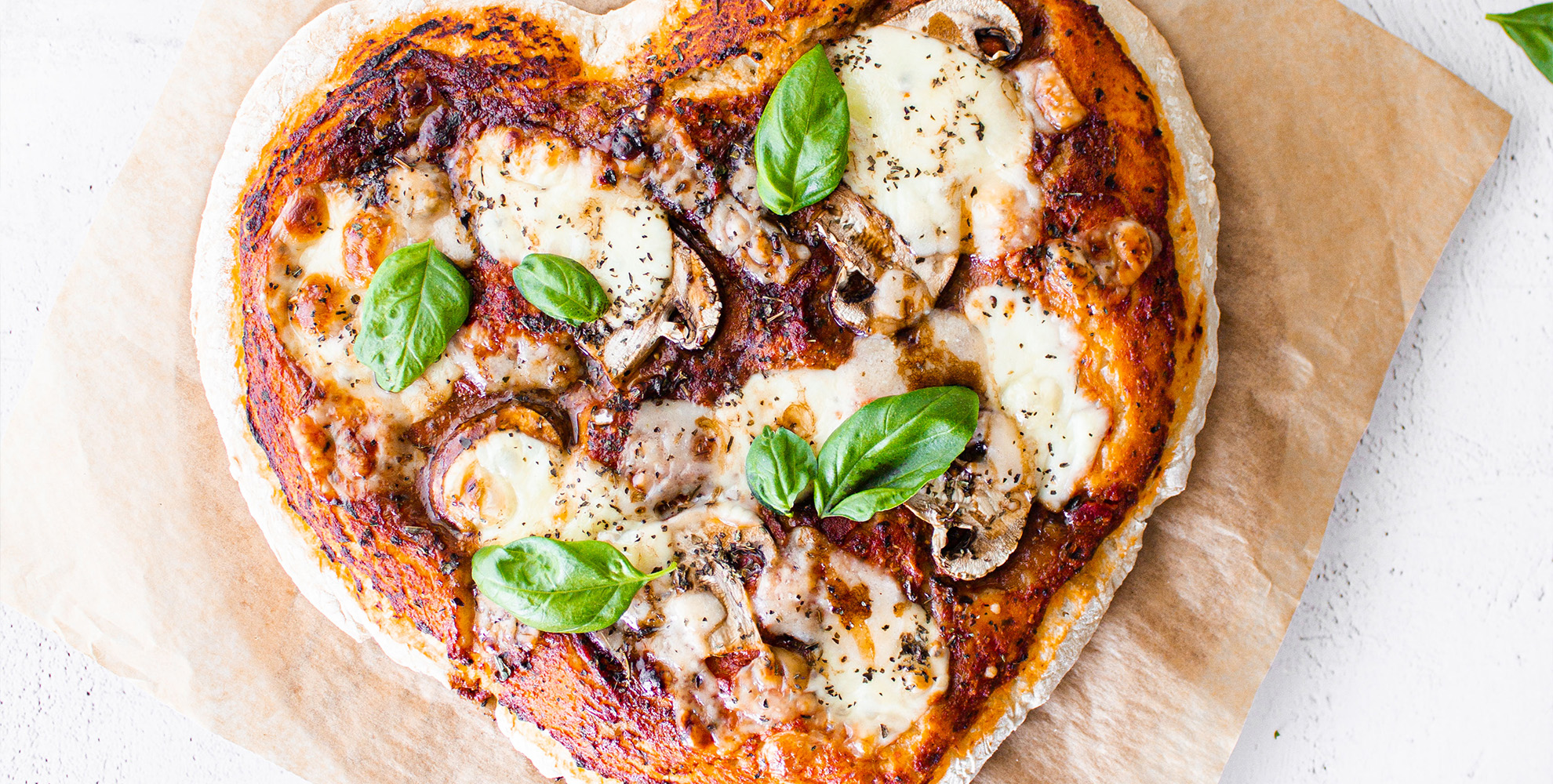
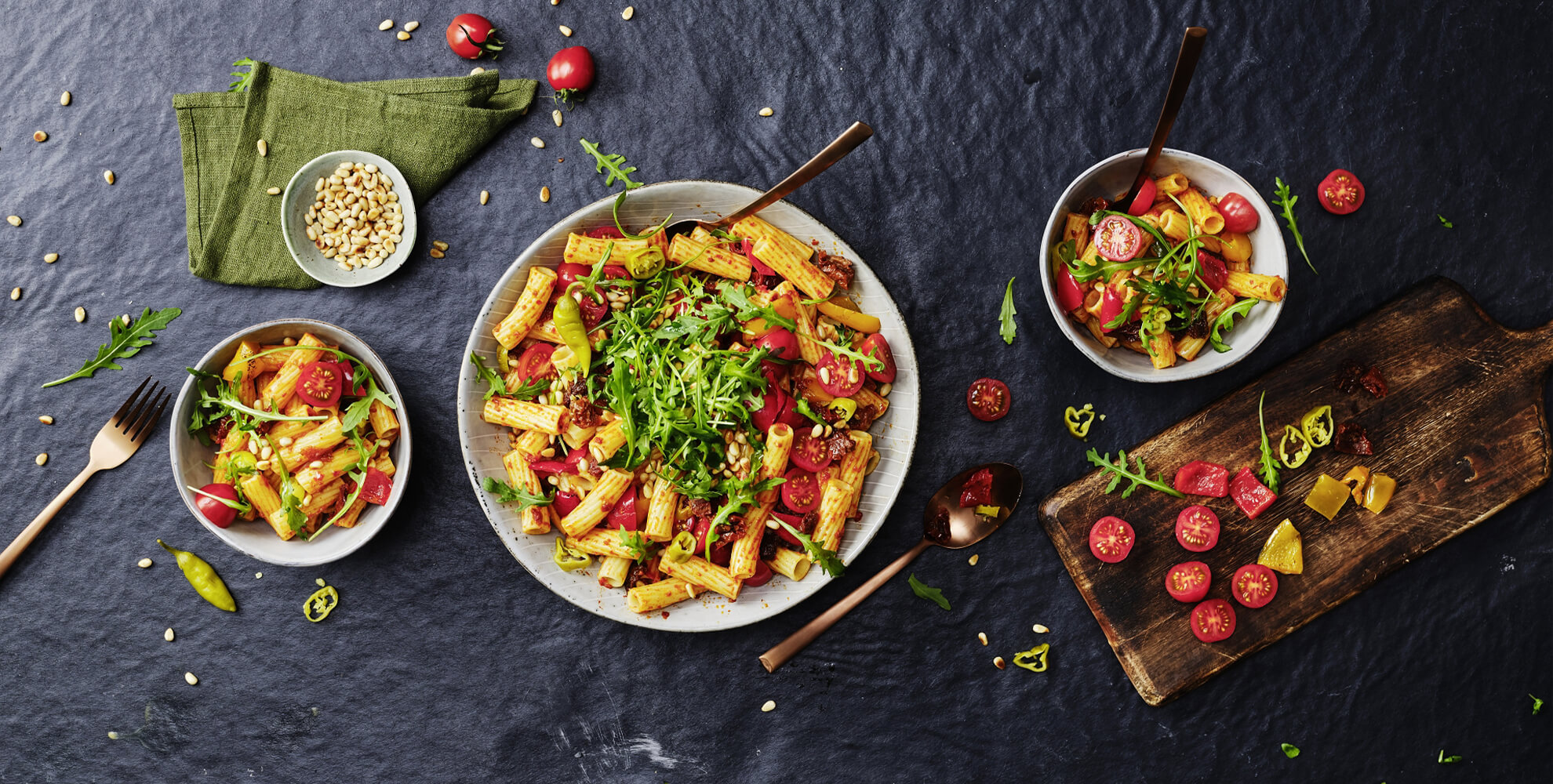
Mediterranean cuisine thrives on simple, high-quality ingredients and straightforward preparation. These three recipe ideas perfectly illustrate this, capturing the flavors of the South in different ways. Whether it’s fresh citrus notes, small tapas to share, or crispy oven-baked dishes—everyone will find their favorite Mediterranean dish here, whether for everyday meals or special occasions.
30 min.
Leicht
Vegetarian
20 min.
Leicht
Vegetarian
30 min.
Leicht
Vegetarian

15 min.
Leicht
Vegetarian
1730 min.
Mittel
Vegetarian
70 min.
Mittel

Vegan
20 min.
Mittel
Vegan
Barbecuing without meat - but with full flavor!
The best vegetarian & vegan barbecue ideas for your barbecue evening
Meatless barbecuing is all the rage. Whether it’s vegetarian barbecue recipes with vegetables and halloumi or vegan barbecue ideas with tofu and plant-based alternatives – the choice today is bigger and more creative than ever. Instead of classic steaks, you can grill aromatic vegetable skewers, stuffed potatoes, cauliflower steaks or sophisticated desserts.
In this post, we’ll show you the best ideas for a vegetarian barbecue evening and present our inspiring Byodo recipes that are guaranteed to delight all your guests.

Why is meatless barbecuing becoming increasingly popular?
More and more people are opting for vegetables, cheese, tofu or plant-based alternatives when barbecuing. There are many reasons for this:
- conscious nutrition
- Environmental and Climate Protection
- ethical reasons
- lighter enjoyment in summer
- More variety on the barbecue buffet
Nevertheless, one thing clearly takes center stage: the taste.
The best ingredients for your vegetarian barbecue dishes

Popular meat alternatives for the barbecue
Plant-based sources of protein play a key role in making meat-free barbecues really satisfying. Tofu, tempeh or seitan absorb marinades perfectly and can be seasoned in a variety of ways. Legume-based products such as chickpea or lupin patties also provide structure and bite and make vegetarian barbecue dishes wholesome and varied.
- Tofu
- Tempeh
- Seitan
- Lupin products
- Chickpea patties

Which vegetables are particularly suitable for grilling?
Vegetables are the basis of meatless grilling and often surprise with more flavor than you might expect. Direct heat creates intense roasted flavors that bring out sweetness and depth.
- Eggplants
- Zucchini
- Pointed peppers
- Maize
- Mushrooms
- Cauliflower
- Potatoes and sweet potatoes

The best cheeses for the grill
Grilled cheese and Mediterranean specialties add a hearty component to vegetarian grilling. Varieties such as halloumi retain their shape even at high heat and develop a crispy surface with a soft center.
- Halloumi
- Feta in a packet
- Grilled cheese
- Camembert from the grill
Creative vegetarian & vegan barbecue recipes
From stuffed portobello mushrooms and spicy tofu skewers to grilled nectarines for dessert – these recipes show just how varied and enjoyable meat-free barbecuing can be. Whether vegetarian or vegan: here you will find creative barbecue ideas for every taste.
30 min.
Leicht
Vegetarian
20 min.
Leicht
Vegetarian
30 min.
Leicht
Vegetarian
15 min.
Leicht
Vegetarian
1730 min.
Mittel
Vegetarian
70 min.
Mittel
Vegan
20 min.
Mittel
Vegan

55 min.
Mittel
Vegetarian

60 min.
Mittel

140 min.
Mittel
Vegetarian

20 min.
Mittel
Vegan

20 min.
Mittel
Vegan

20 min.
Leicht
Vegetarian
Grilling vegetarian food: The most important questions & answers at a glance
Tofu should be pressed as well as possible before marinating so that excess liquid can escape and it can absorb flavors better. Ideally, it should then be marinated in a marinade made from oil, salt, acid (e.g. lemon juice or vinegar) and spices. The oil helps to transport the flavors and later ensures even browning during grilling. An aromatic oil such as Byodo Roast Olive Mediterranean or the Byodo Roast Olive Mild. For an intense flavor experience, the tofu should marinate for several hours or ideally overnight.
Roasted flavors are created by the so-called Maillard reaction. Sugar and amino acids react with each other at high heat. This is precisely why vegetables, tofu or halloumi develop particularly complex, slightly caramelized aromas on the grill. The drier the surface is before grilling, the stronger this effect is.
Fat is an important flavor carrier and prevents food from drying out. At the same time, it supports browning. With vegetables, a thin film of oil ensures that the surface heats evenly and no bitter roasted flavors develop. Our Byodo frying oilsas they have a particularly high smoke point.
Halloumi has a high melting point as it is traditionally produced without rennet and with special processing. As a result, it retains its shape even at high heat. When grilled, it develops a golden brown crust on the outside while remaining soft and creamy on the inside.
A common mistake is using too high a heat, which burns vegetables on the outside but leaves them raw on the inside. Ingredients that are cut too thinly also dry out quickly. Marinating is also often done for too short a time, which means that the flavors are not absorbed deeply enough.
A combination of medium heat and an indirect grilling zone is ideal. This allows vegetables to cook slowly and develop roasted aromas at the same time. Lightly blanching very firm varieties such as cauliflower beforehand can also help.
Vegetarian grilled dishes often contain less saturated fat than meat dishes and more fiber and phytochemicals. However, the preparation remains crucial: marinades, oils and side dishes also have a significant impact on the nutritional value of vegetarian barbecues.
Combinations of oil, acid and umami components such as soy sauce or miso paste work particularly well. Sweet ingredients such as honey or maple syrup also promote caramelization on the grill. In our blog post The right marinade for barbecue ideas you can find out more about the ideal composition.


