




Organic Enthusiasts 2026
Nine Projects That Bring Organic Living to Everyday Life
Whether it’s a school garden, chickens in the schoolyard, cooking together, or inclusive nature experiences—the applications for our BioBegeistert 2026 grant program show just how diverse enthusiasm for organic food and mindful eating can be. With a great deal of dedication and creative ideas, ten projects aim to provide children, teens, and adults with new experiences and show how closely food, nature, and community are interconnected.
Each of these projects is showcased here, highlighting its ideas and commitment to organic farming, quality, and responsible practices. Now it’s up to you to decide which project deserves your vote. The project with the most votes will receive a grant of €5,000 from Byodo! Second place will be awarded €3,000, and third place will receive €2,000.
Discover these inspiring ideas and use your vote to make an important contribution to responsible action.
Nominated projects:
Cackling and Watching: Chickens as a Place of Learning
Once you’ve experienced just how much care a living creature needs, you won’t forget it anytime soon. Two schools are incorporating organic chickens into their daily routines.
Osterfeld School, Lünen
Project: “Osterfeld’s One by One”
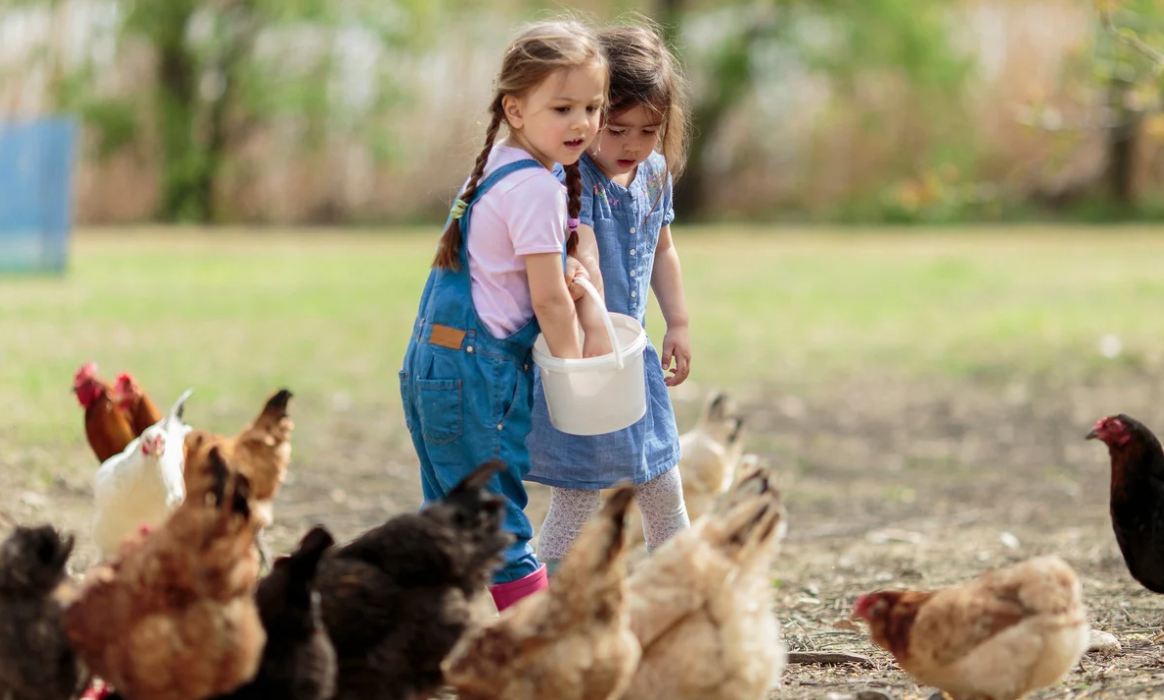
A chicken coop as a learning space right in the middle of the schoolyard: The Osterfeld School would like to build a permanent chicken coop on its school grounds. The children take responsibility for the animals and, in doing so, learn what it means to care for them every day. The project is also incorporated into the curriculum: whether in social studies, reading, or art class—the chickens provide numerous opportunities for collaborative learning.
The eggs will be given to parents in exchange for a donation. The proceeds will be used to pay for feed, allowing the school community to cover part of the project’s costs itself. Especially at an elementary school with a high social index, the goal is to create a shared learning space that combines knowledge, responsibility, and hands-on experience.
Osterfeld School, Lünen
Project: “Osterfeld’s One by One”
After a two-week chicken project last school year, the enthusiasm was so great that the “clucking classroom” is set to remain. A species-appropriate coop is to be built in the schoolyard. The children feed and care for the animals, learn about the lives of chickens in their social studies classes, and even read to them—because chickens are patient listeners who don’t judge. The eggs are available to parents for a small donation, and the money goes toward buying feed.
Carl-Kehr School, Halberstadt
PProject: “Signs and Clucking”
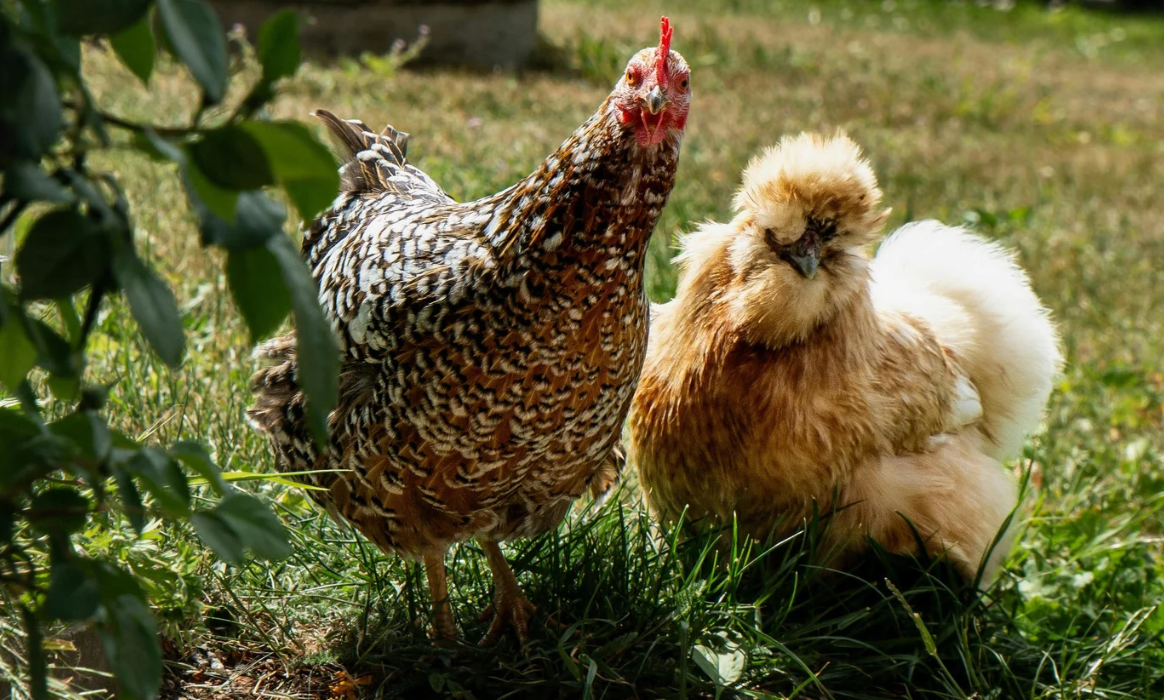
Under the title “Signs and Clucking,” the State Education Center for the Hearing Impaired plans to raise school chickens. For students with hearing and visual impairments, the animals offer special opportunities: They help develop their tactile perception and orientation, explore social behavior through the chickens’ body language, and find plenty of opportunities to communicate.
From Seed to Plate: Gardens, Raised Beds, and Harvesting
Many children only know vegetables from supermarket shelves. These projects are changing that.
Daycare Center at HTW, Berlin
Project: “From Grain to Bread”
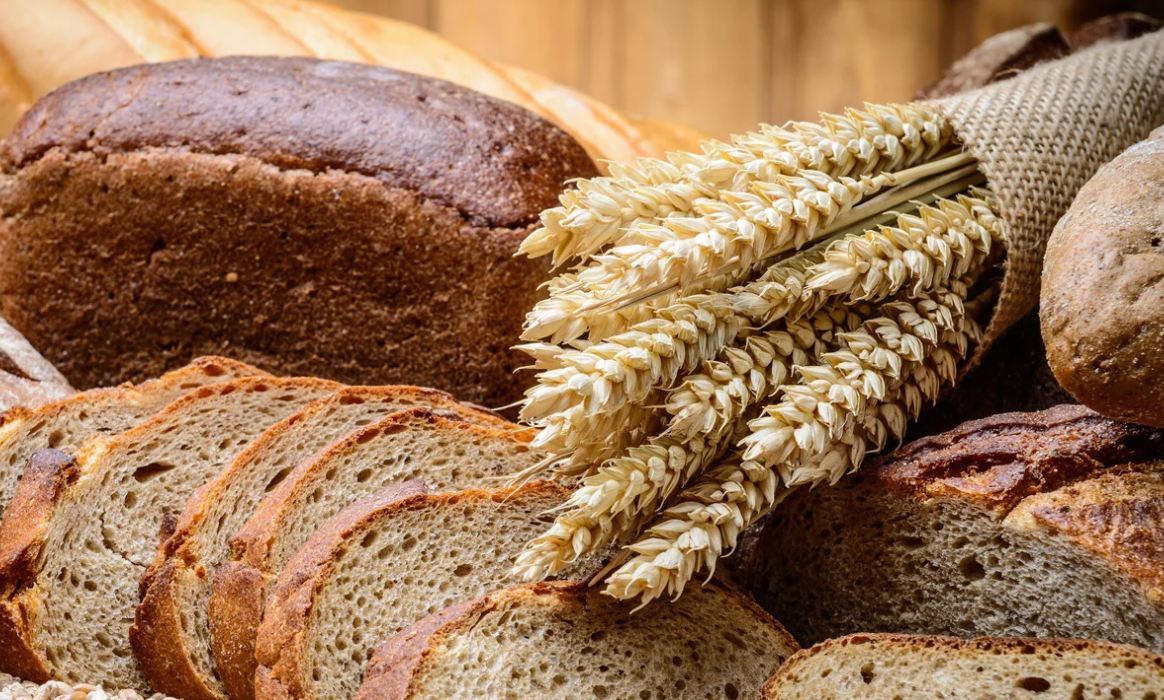
From a tiny grain to homemade bread: How does a tiny grain actually turn into bread? The daycare center at HTW wants to answer this question for children in a particularly vivid way. In two raised beds in the daycare garden, the children will sow grain themselves, watch it grow, harvest it, and then grind it.
Together, they bake bread using the flour they’ve milled themselves. In this way, the children learn, step by step, where our food comes from and how much nature and labor go into it. The project is designed to give city children, in particular, a direct connection to agriculture, the soil, and food production.
Daycare Center at HTW, Berlin
Project: “From Grain to Bread”
Two raised garden beds are to be created right in the heart of the city. In the “From Grain to Bread” project, the children sow grain, tend the beds, harvest the crops, grind their own flour, and ultimately bake their own bread. Along the way, they learn just how many steps go into making a single loaf of bread.
Primary and secondary school Friedersdorf
Project: “Organic Garden of the Senses”
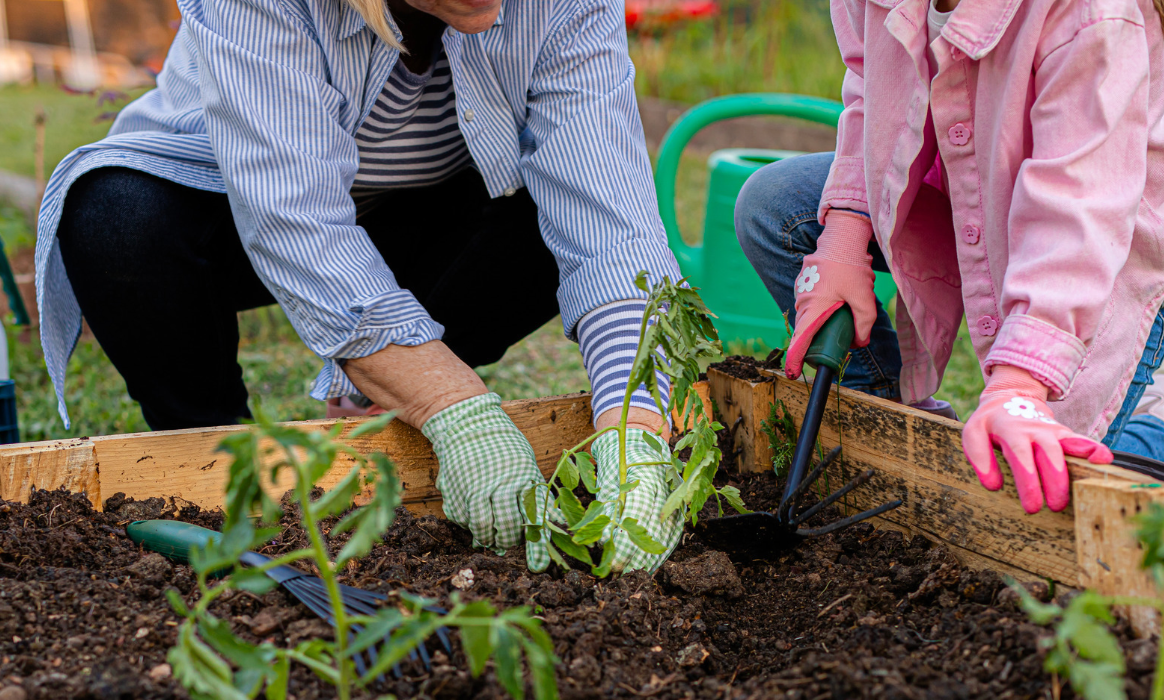
Gardening together, exploring with all the senses: The Friedersdorf Elementary and Middle School would like to create a shared school garden next to the gym that combines experiencing nature with hands-on learning. Plans include a DIY barefoot trail, a herb garden with organic basil, organic parsley, and organic chives, as well as a vegetable patch with cucumbers, lettuce, tomatoes, and strawberries. The goal is to completely avoid the use of pesticides. What makes this project special is that the older students will handle the hands-on work during WAT classes, while the elementary school children will help design the beds and take care of the finer details. After the harvest, the food grown together will be prepared collectively and eaten right in the garden. In this way, the children and teens learn how working together creates something that everyone can enjoy.
Friedersdorf Elementary and Middle School
Project: “Organic Garden of the Senses”
The “Organic Garden of the Senses” brings young and old together, as elementary and middle school students work side by side. There’s a barefoot trail with sand, river stones, pinecones, moss, and feathers; a colorfully painted herb caterpillar; and a garden bed with cucumbers, lettuce, tomatoes, and strawberries—all grown without pesticides. The older students handle the sawing and digging, while the younger ones take care of the finer details. After harvesting, they cook together and eat on picnic blankets in the garden.
Cooking, Harvesting, Starting Over: Organic Living Among Young Adults
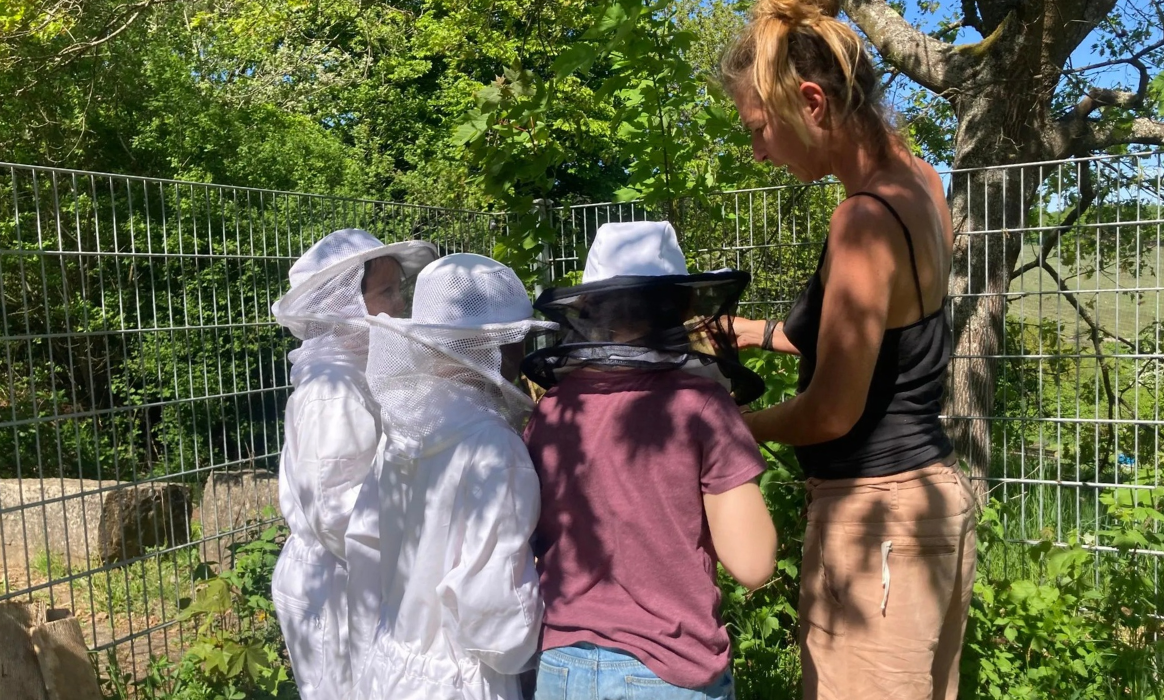
Keune Elementary School, Trier
Project: Green Classroom
Through a Green Classroom, permaculture, and biodiversity, the school aims to introduce children to sustainable education and healthy eating, especially those who face greater challenges in their daily lives.
Cooking, Harvesting, Starting Over: Organic Living Among Young Adults
Environmental awareness doesn’t end with elementary school. Three projects show how young people on the cusp of a new phase of life can benefit from it.
Nature with All the Senses and for Everyone
Leo Club Quadriga, Berlin
Project: Organic Recipe Cards and Starter Basket
The volunteer-run Leo Club Quadriga supports young people as they move out of group homes and guides them on their journey toward independent living. With simple organic recipe cards, the volunteers aim to show how delicious meals can be prepared even on a tight budget. In addition, a starter basket containing non-perishable organic staples such as oil, vinegar, pesto, and spices is planned. About 25 young people are expected to benefit from this initiative. The combination of practical recipe ideas and a basic kitchen kit makes it easier to start cooking on their own and helps them develop practical, everyday nutrition skills.
Leo Club Quadriga, Berlin
Project: Organic Recipe Cards and Starter Baskets
People moving out of a group home into their first apartment often have never learned to cook for themselves. That’s why this volunteer-run youth club develops simple organic recipe cards for those on a tight budget and puts together starter baskets filled with non-perishable organic staples like oil, vinegar, pesto, and spices. In the first year, around 25 teenagers and young mothers are expected to benefit from this program.
Orientierungszeiten gGmbH, Kassel
Project: “Bachelor of Being 6”
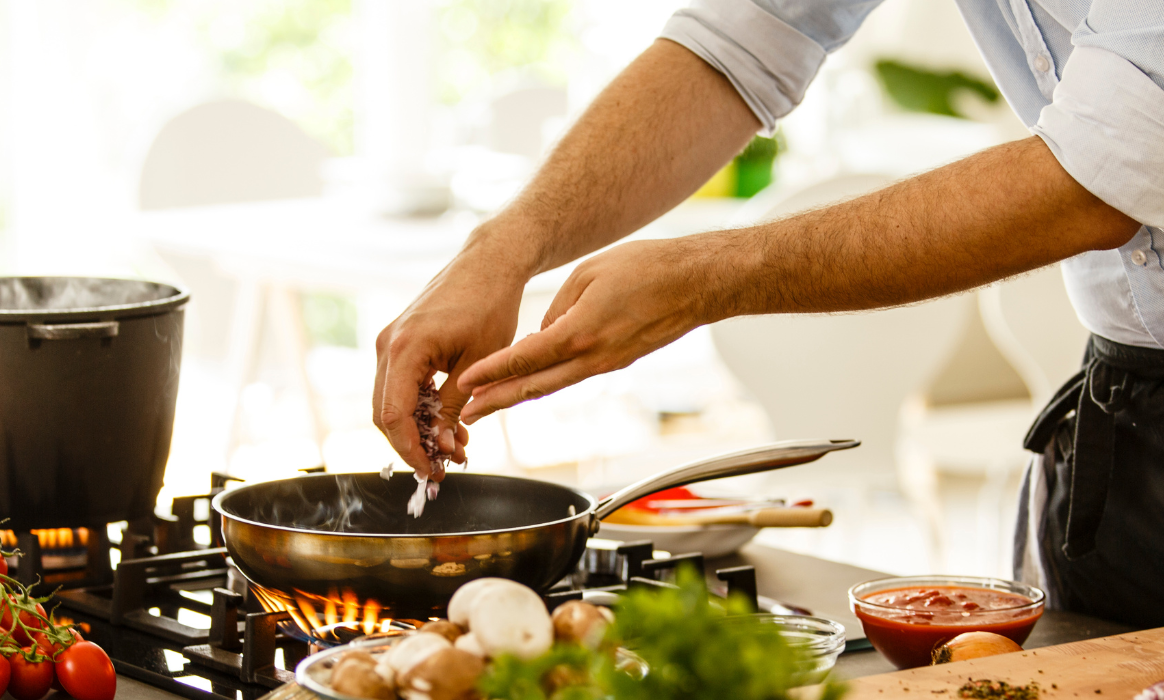
Cooking for themselves, taking on responsibility, and learning new things: Through the five-month orientation semester “Bachelor of Being 6,” Orientierungszeiten gGmbH will support a total of 24 young adults on their personal educational journeys from October 2026 through March 2027. An important part of the program is the daily preparation of meals together using organic ingredients. The goal is not only for participants to cook but also to experience how food is grown, harvested, and processed. Among other things, the program will facilitate an apple harvest followed by processing, the cultivation of winter vegetables, the use of a greenhouse, and support from a specialist. In this way, nutrition becomes a practical field of learning that strengthens independence and community.
Orientierungszeiten gGmbH, Kassel
Project: “Bachelor of Being 6”
In the “Bachelor of Being” program, 24 young adults live together as a community for five months and cook their own meals every day, using only organic ingredients. New to the program this year is the collective harvesting and processing of apples from the on-site orchard, as well as the cultivation of winter vegetables.
Nature with All the Senses and for Everyone
Why We Love It
OGTS Friedrich-Ebert-Schule, Preetz
Project: “Strong Kids – Preetz Joins In!”
Empowering children and shaping their world together: The Open All-Day School (OGTS) at the Friedrich-Ebert-Schule in Preetz aims to develop a versatile, modular program for children through the project “Strong Children – Preetz Joins In!” In collaboration with the sponsoring organization Creativ Change e. V., 15 thematic areas are planned, including self-confidence, first aid, nature and agriculture, nutrition and physical activity, as well as important everyday life skills. The goal is for children not only to listen but also to try things out for themselves, make discoveries, and gain experience. To this end, the school aims to build a network of clubs, businesses, and other organizations in Preetz. Support can take many forms: time, expertise, workshops, or materials. The goal is to create a program that supports children in their development and connects learning with local life.
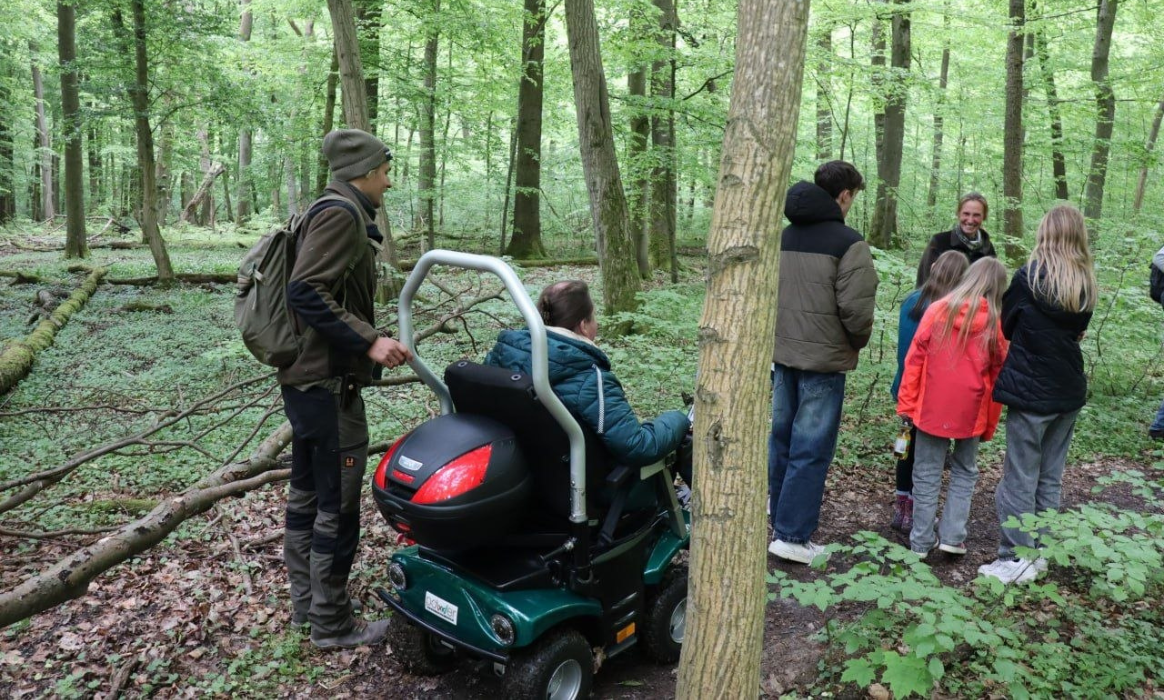
Mühlhausen Rehabilitation Sports Club (ILOH)
Project: “Forest Bathing on Wheels”
“Forest Bathing on Wheels” invites people with and without disabilities to spend a weekend in nature. Participants go on tours using hand bikes and hiking wheelchairs, and the program also includes forest bathing, relaxation, and nutrition tips. The goal: to break down barriers through interaction
Strong Children, Strong Network
Behind all ten projects are people who want to give children and young adults the chance to have real-life experiences—experiences with dirt on their hands, with animals, with cooking together, and with taking on responsibility. That’s exactly where enthusiasm for organic farming is born: not through explanations, but through experience.
Why We Love It
OGTS Friedrich-Ebert-Schule, Preetz
Project: “Strong Kids – Preetz Joins In!”
Empowering children and shaping their world together: The Open All-Day School (OGTS) at the Friedrich-Ebert-Schule in Preetz aims to develop a versatile, modular program for children through the project “Strong Children – Preetz Joins In!” In collaboration with the sponsoring organization Creativ Change e. V., 15 thematic areas are planned, including self-confidence, first aid, nature and agriculture, nutrition and physical activity, as well as important everyday life skills. The goal is for children not only to listen but also to try things out for themselves, make discoveries, and gain experience. To this end, the school aims to build a network of clubs, businesses, and other organizations in Preetz. Support can take many forms: time, expertise, workshops, or materials. The goal is to create a program that supports children in their development and connects learning with local life.
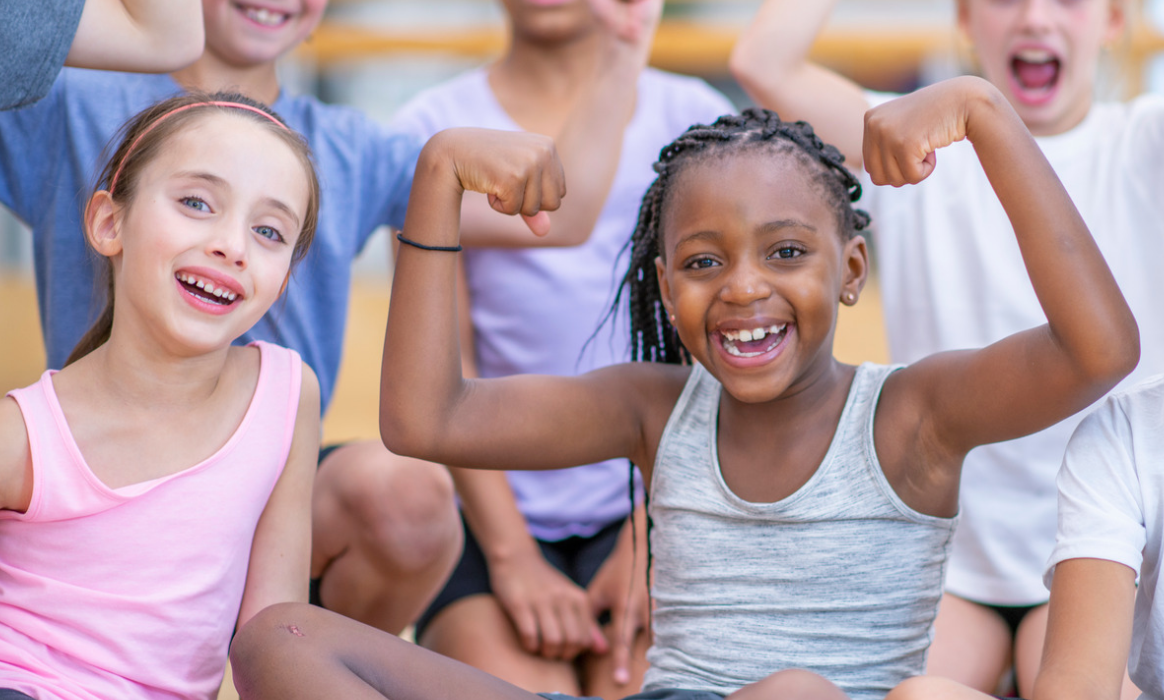
OGTS Friedrich-Ebert-Schule, Preetz
Project: “Strong Kids – Preetz Joins In!”
“Strong Kids – Preetz Joins In!” is a modular program featuring 15 topic areas, ranging from self-confidence and first aid to nature and nutrition. The goal is for children to try things out for themselves and get to know their town. To this end, the school is gradually building a network of local clubs, businesses, and dedicated individuals. The project is still in its early stages, and any form of support is welcome: time, expertise, a visit, or a workshop.
Why We Love It
Behind all ten projects are people who want to give children and young adults the chance to have real-life experiences—experiences with dirt on their hands, with animals, with cooking together, and with taking on responsibility. That’s exactly where enthusiasm for organic farming is born: not through explanations, but through experience.


