




Omega-3 and Omega-6:
Why the Right Fatty Acids Are Important
Fats are an important part of our diet, but not all fats are created equal. Omega-3 and omega-6 fatty acids perform different functions in the body and are found in different foods.
Find out in this blog post how they differ and how you can enjoyably incorporate them into your daily life!
What Are Omega-3 and Omega-6 Fatty Acids?
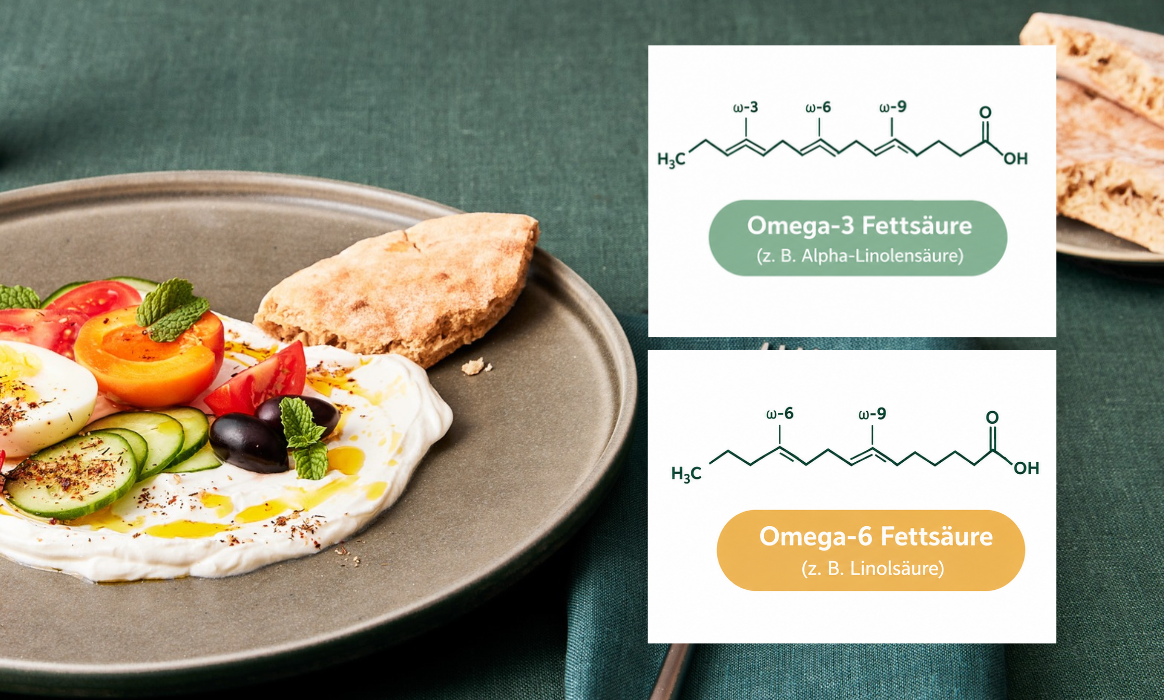
Omega-3 and omega-6 are polyunsaturated fatty acids that our bodies need for various functions. Since our bodies cannot produce the essential fatty acids alpha-linolenic acid (omega-3) and linoleic acid (omega-6) on their own, we must obtain them through our diet.
- The most important omega-3 fatty acids include ALA, EPA, and DHA. ALA is found, for example, in flaxseed oil, walnuts, and canola oil, while EPA and DHA are primarily found in fatty fish and certain algae oils.
- The best-known essential omega-6 fatty acid is linoleic acid, which is found in sunflower oil, nuts, and seeds, among other sources. It is an important component of our diet and performs various functions in the body.
Omega-3 and Omega-6 in Everyday Life: It’s All About Balance
We often consume plenty of omega-6 fatty acids through our daily diet, as they are found in many vegetable oils and processed foods. Omega-3 fatty acids, on the other hand, are often lacking and should therefore be consciously incorporated into the diet through appropriate foods and oils, because when their plant-based precursor, ALA, is converted into the longer-chain fatty acids EPA and DHA, omega-3 and omega-6 sometimes compete for the same enzymes.
Â
How can you ensure a balanced intake of fatty acids?
Incorporate sources of omega-3, such as flaxseed oil, walnuts, or canola oil, into your meals on a regular basis. Keep in mind: Omega-6 is by no means bad—both groups of fatty acids fulfill important functions in the body. The key is a balanced diet in which we also ensure an adequate intake of omega-3 to support a favorable ratio between the two groups of fatty acids.
Â
What effects do omega-3 and omega-6 have on the body?
Omega-3 and omega-6 fatty acids are, among other things, components of cell membranes and play a role in important bodily processes.
Â
Omega-3: Importance for the Heart, Brain, and Vision
EPA and DHA may support normal heart function, while DHA may help maintain normal brain function and vision.
Â
Omega-6: Important for Cell Functions
Omega-6 fatty acids are important components of cell membranes and serve as building blocks for other compounds produced by the body. They should therefore be part of a balanced diet, just like omega-3.
Â
What do fatty acids have to do with cholesterol levels?
When consumed in sufficient amounts, polyunsaturated fatty acids can help maintain normal cholesterol levels if they replace saturated fatty acids in the diet. Both omega-3 and omega-6 fatty acids can contribute to this. Approximately 2 g (= 1.5 tsp) of omega oil is sufficient for this purpose.
Byodo Omega Oils: Flavor Meets Variety
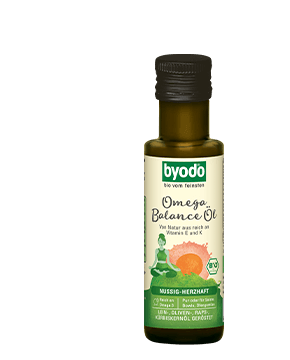
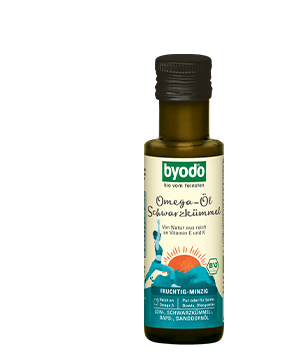
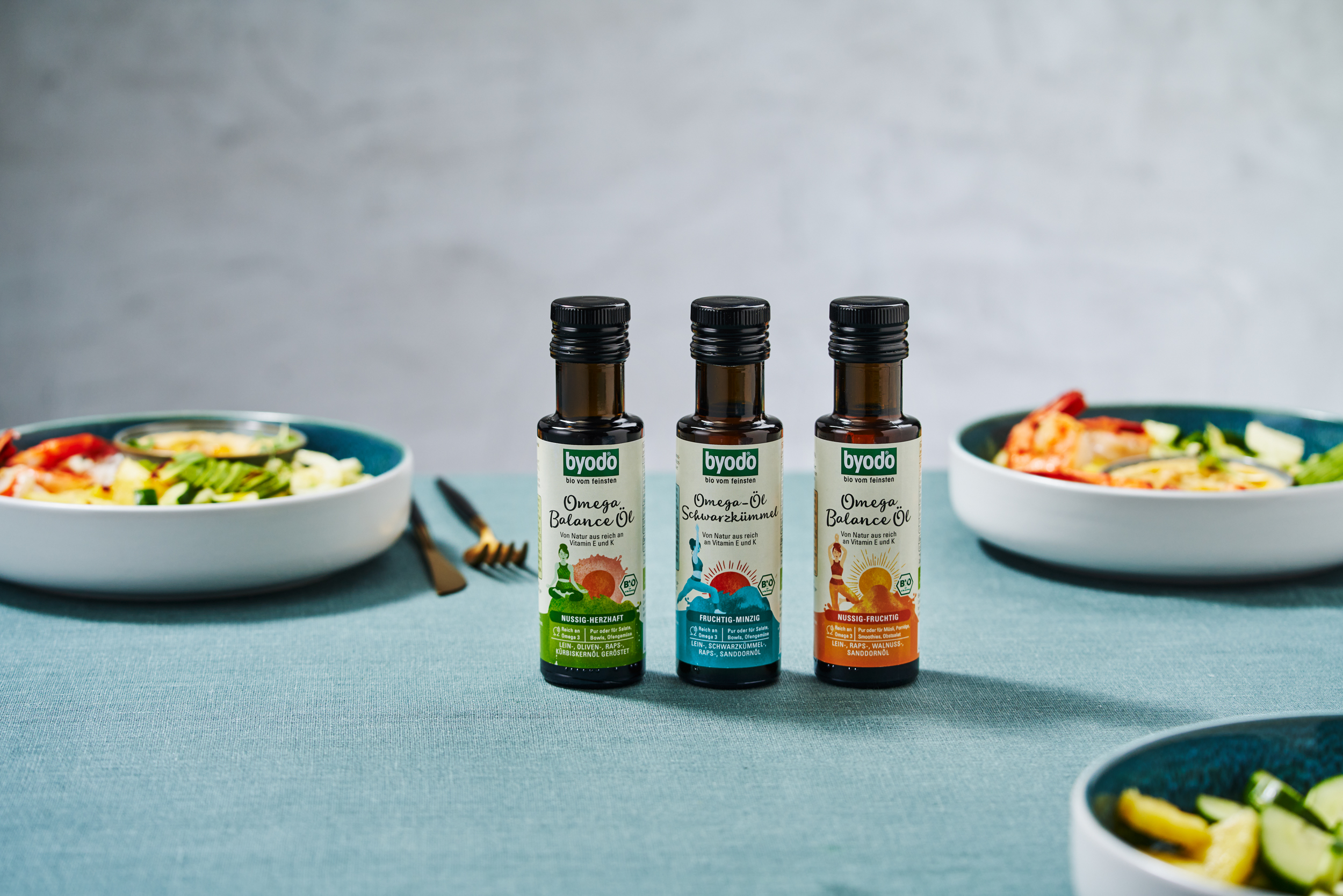
For our Byodo Omega Oils, we’ve combined select oils to blend a particularly beneficial omega-3 profile with versatile flavor experiences. The result is a variety of oil blends that, depending on the variety, are suitable for different dishes—from fresh salads and colorful bowls to hearty meals and breakfast.

Using Omega Oils the Right Way: Tips for Cold Dishes
Delicate, polyunsaturated fatty acids can be damaged by high heat, which is why many omega oils are particularly well-suited for cold dishes. Use them in dressings, dips, bowls, or to enhance already cooked dishes, and be sure to follow the storage instructions on the packaging.
-
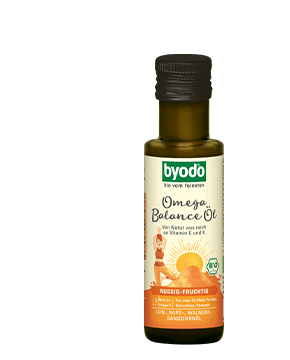
Omega Balance Oil, fruity: Goes well with salads, bowls, vegetables, and breakfast.
-
Omega oil (savory): Goes well with salads, soups, vegetables, and savory dishes.
-
Omega Black Cumin Oil: Pairs well with Middle Eastern dishes, dips, bowls, and vegetables.
Our Recipe Ideas with Byodo Omega Oils
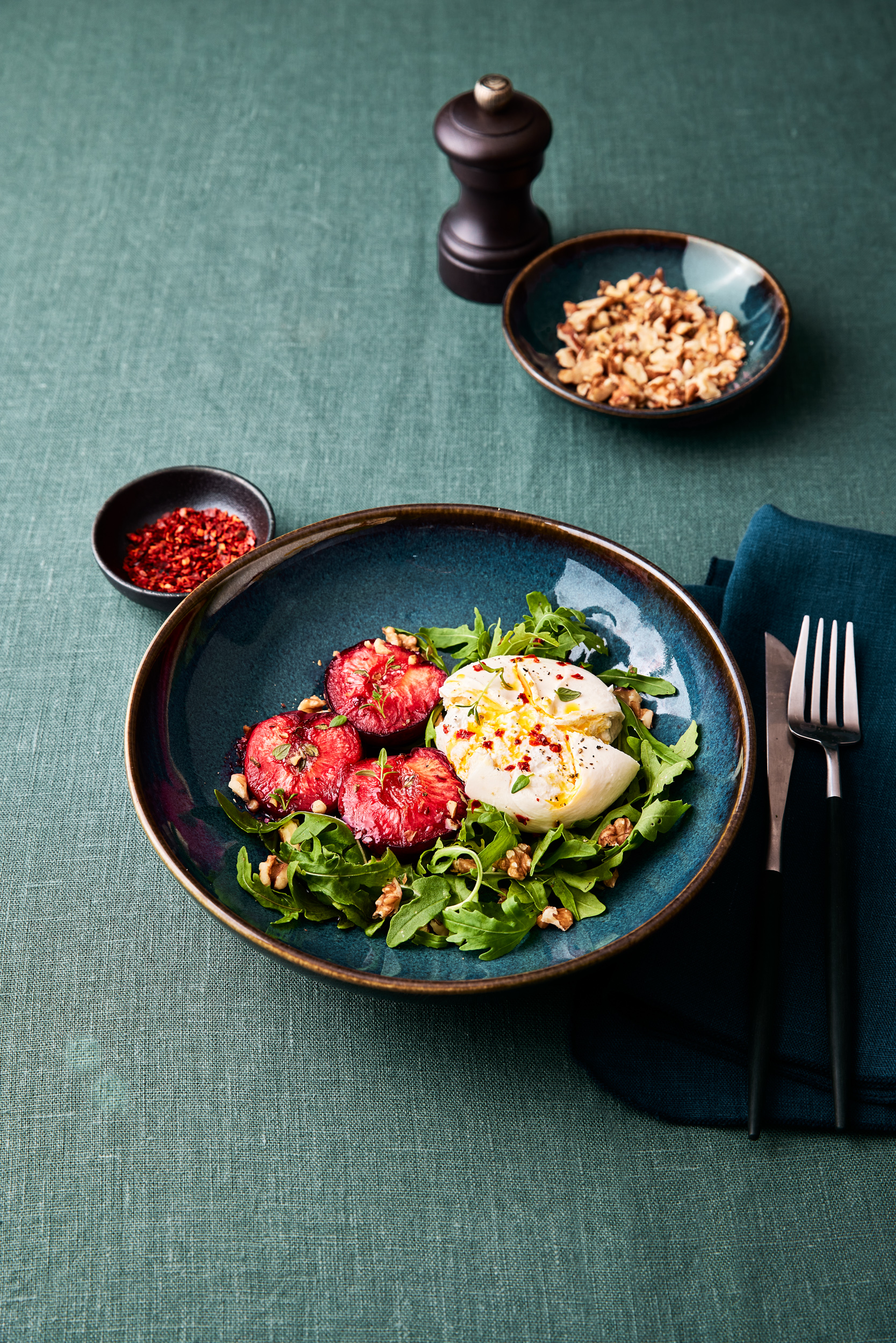
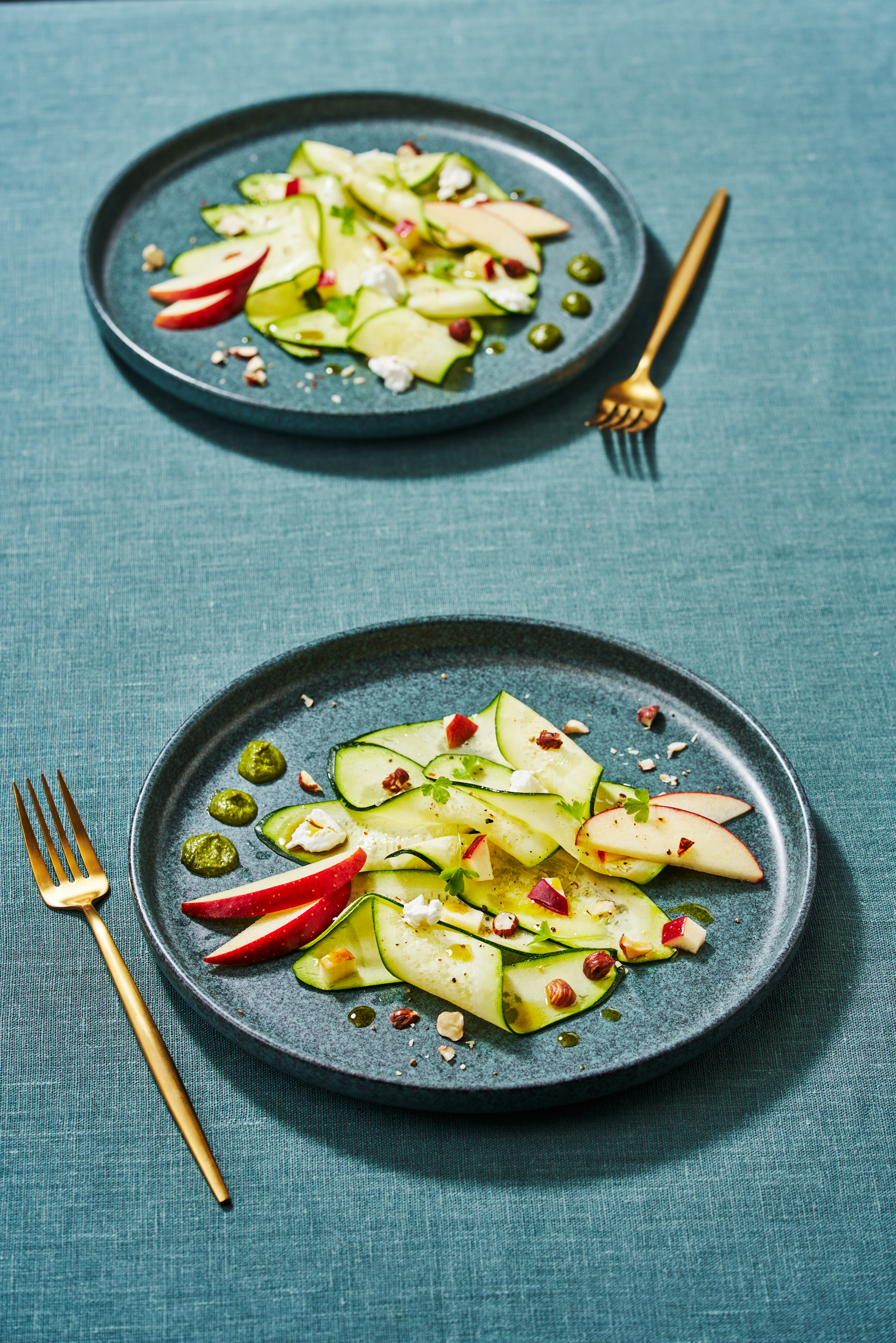
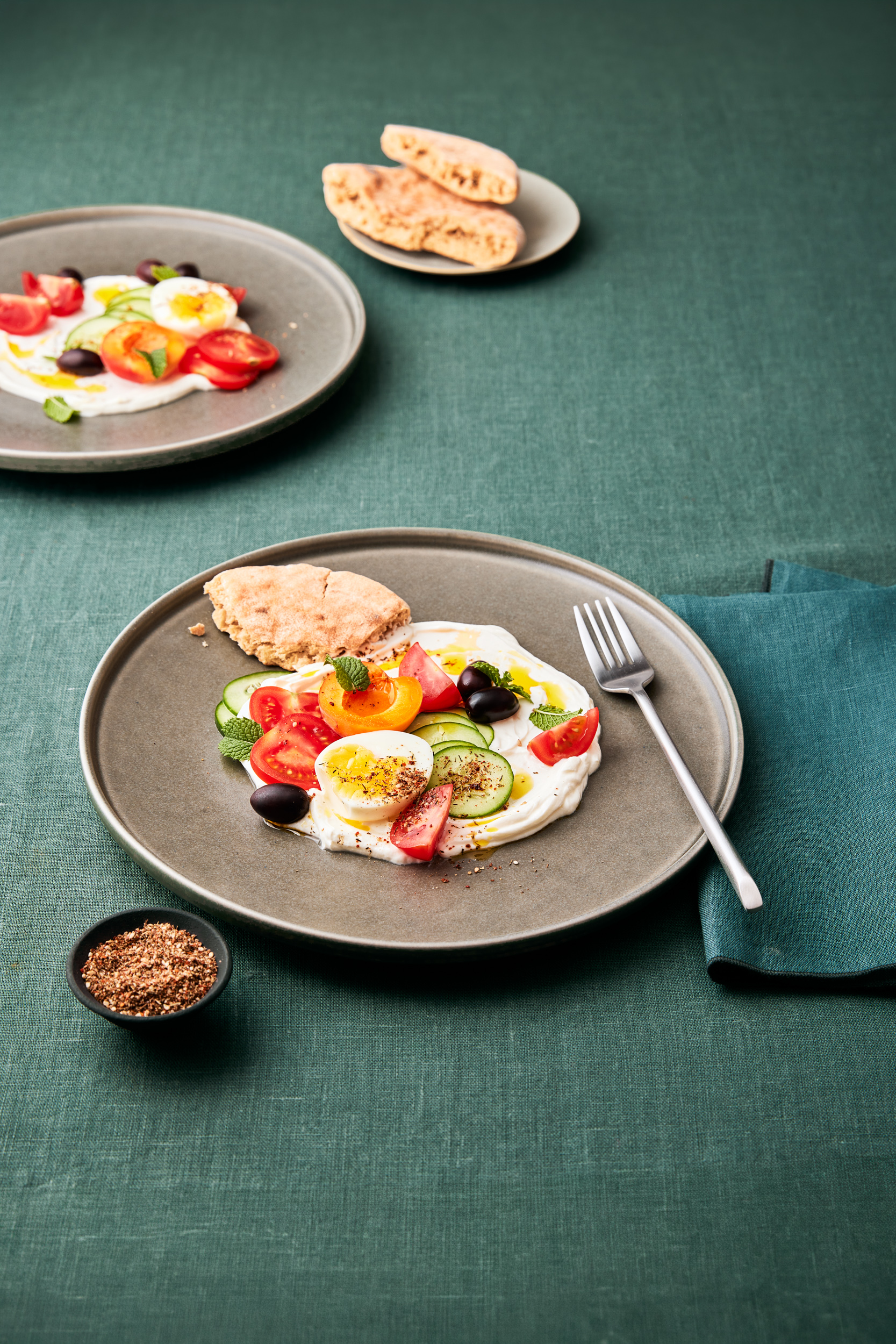
With the right recipes, it’s easy to try out the different flavors. Discover our ideas for crisp salads, colorful vegetable bowls, and savory chickpea dishes.
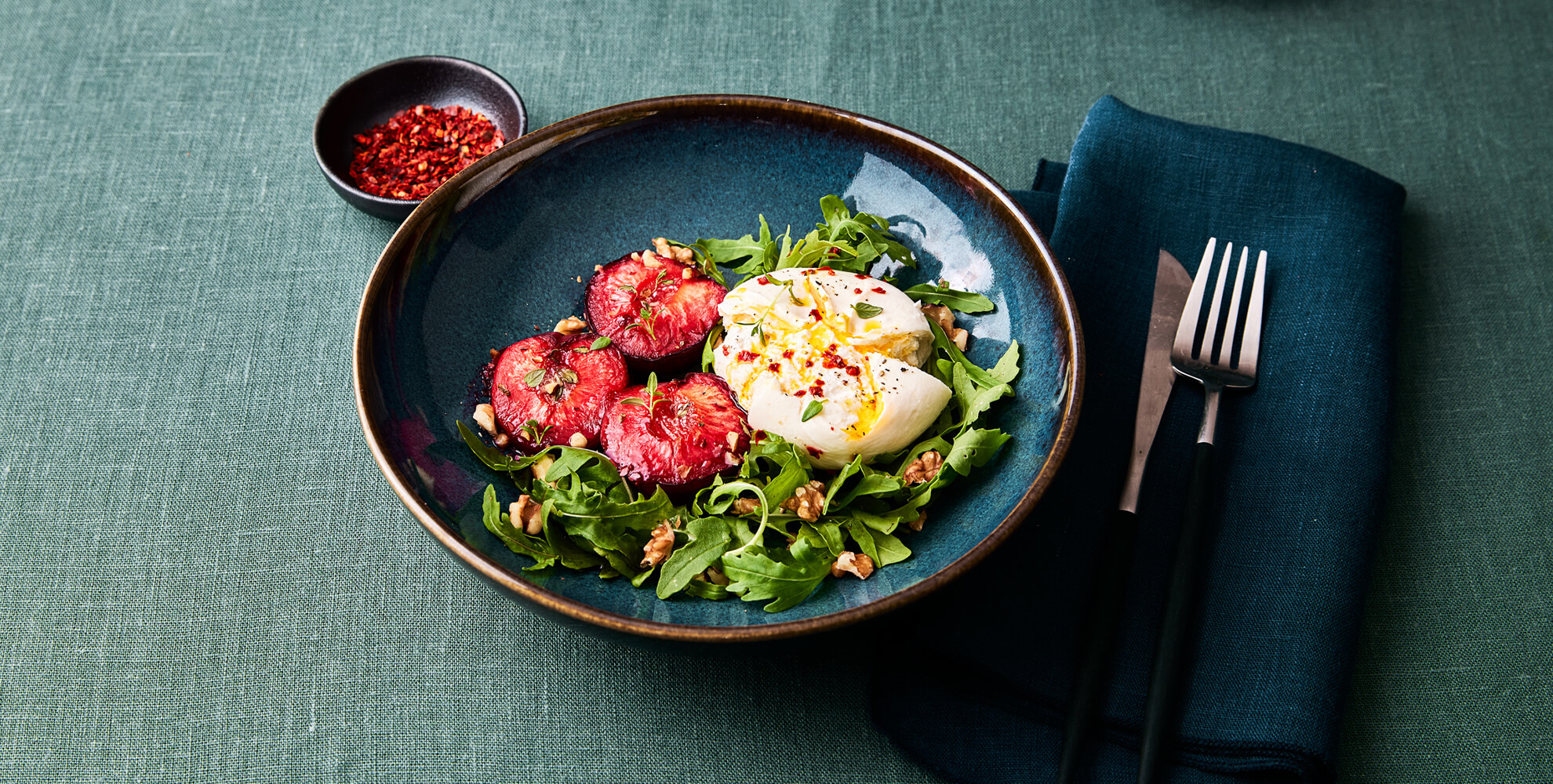

30 min.

Leicht

Vegetarian
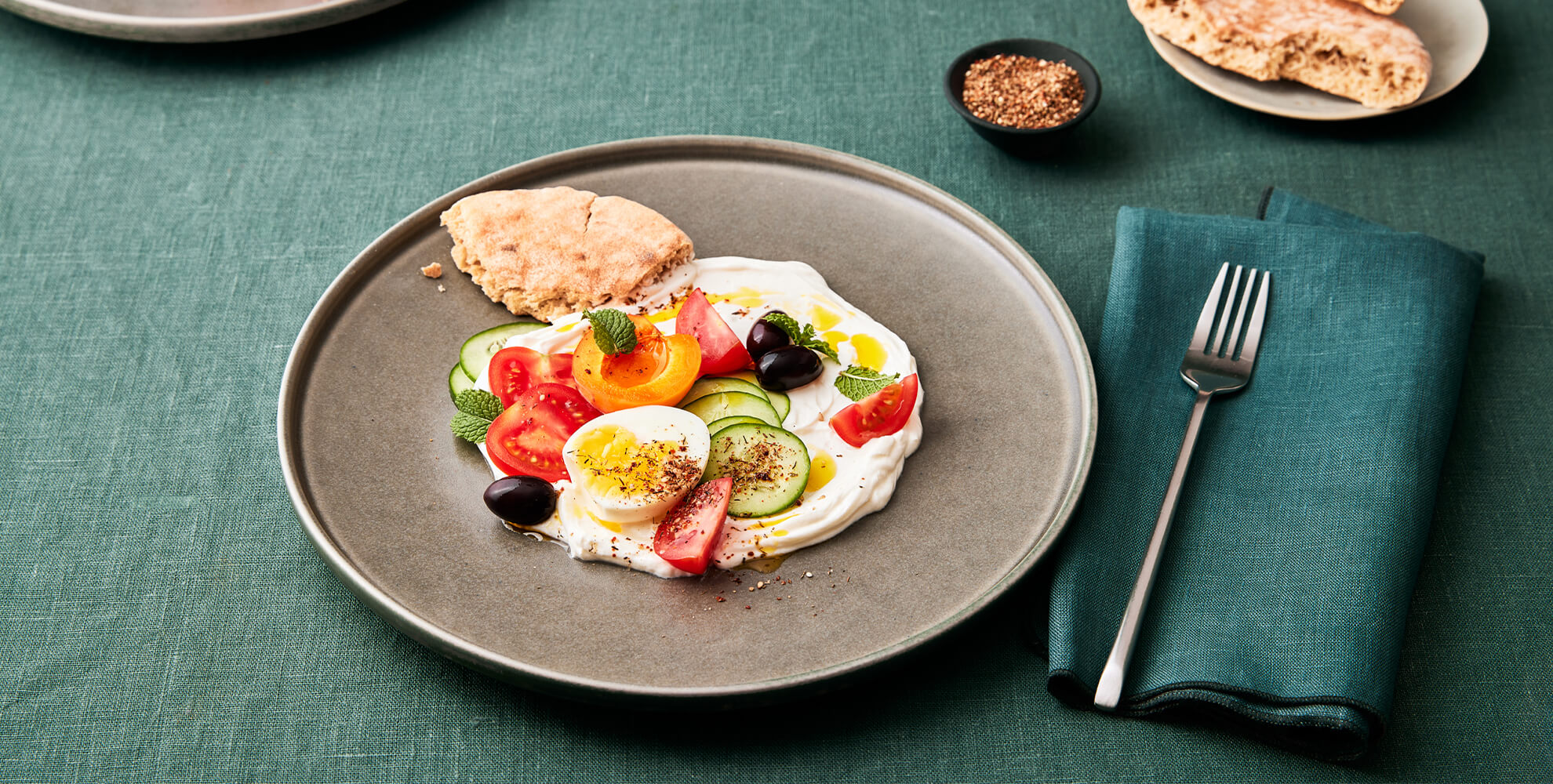
20 min.
Leicht
Vegetarian
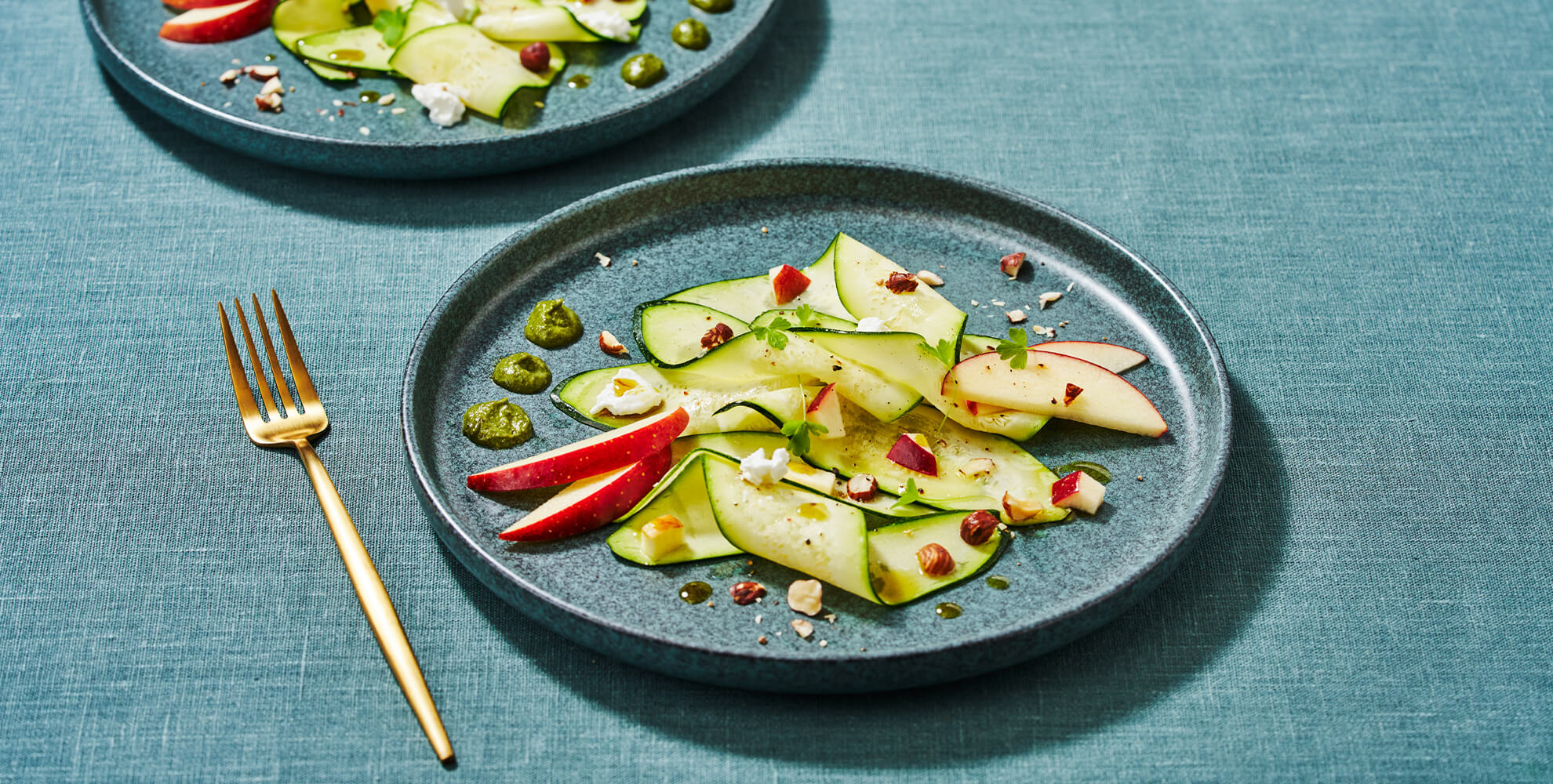
30 min.
Leicht
Vegetarian


